Why Does My Ice Smell Like Fish

You reach into the freezer, pull out an ice cube, and drop it into your sparkling water. But then, you catch a whiff—something is off. Your ice smells like a fish market on a...
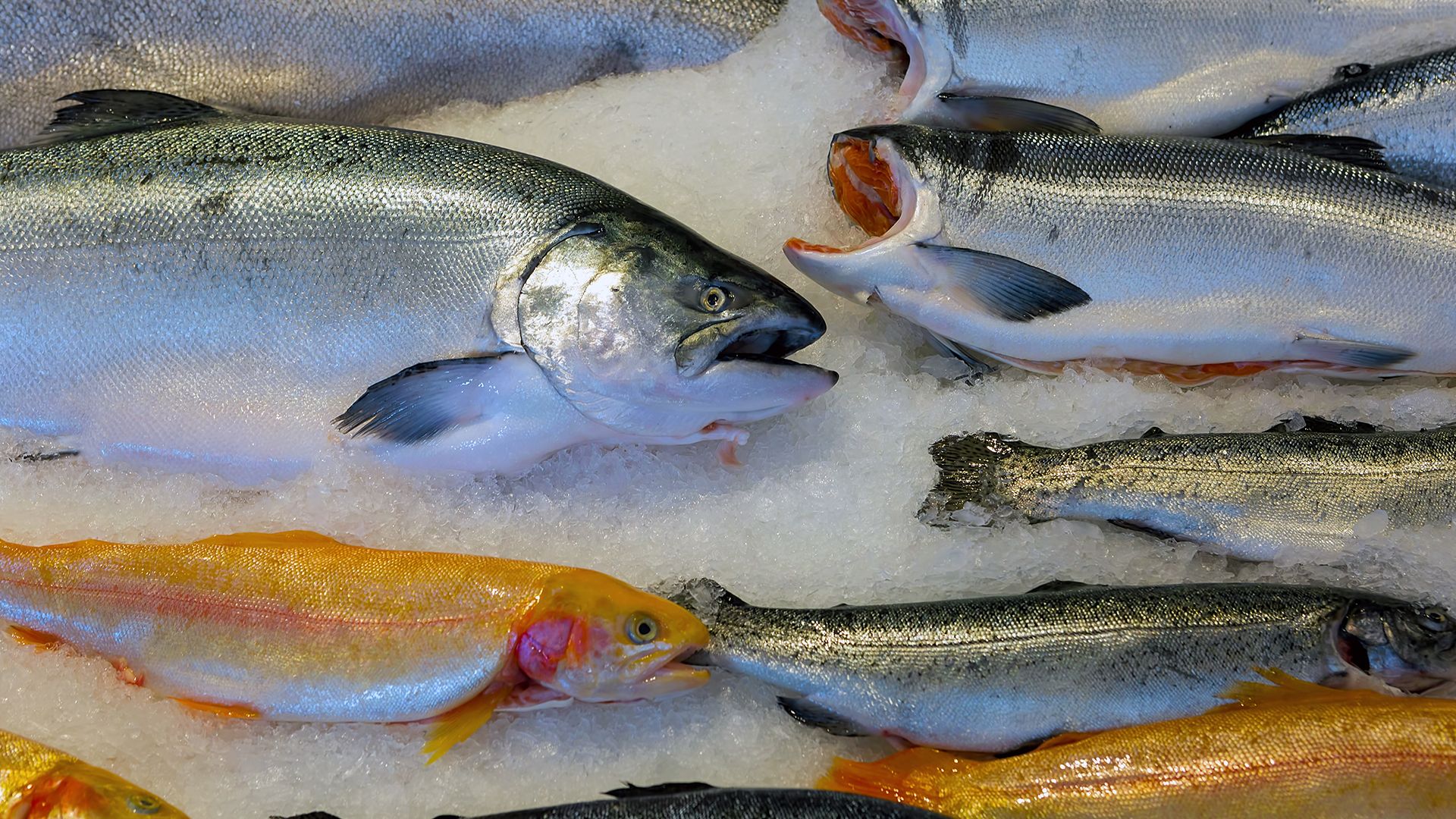
You reach into the freezer, pull out an ice cube, and drop it into your sparkling water. But then, you catch a whiff—something is off. Your ice smells like a fish market on a hot Tuesday afternoon.
Unless you’ve been storing a salmon fillet next to the ice tray, this is a mystery. But don’t worry—you’re not going crazy, and your freezer isn’t haunted. The culprit is almost always chemistry.
Oddly enough, frozen water can absorb odors like a sponge. In fact, ice acts as a concentration chamber for smells that are already floating around in your freezer. That “fishy” scent likely hitched a ride from something else entirely.
Must Read
The Usual Suspects: Not All Fish Are Guilty
Let’s start with the obvious: did you store raw fish recently? Even shrink-wrapped salmon can leak invisible aromatic compounds called amines. These molecules are volatile, meaning they travel through the air and settle into porous surfaces—including your ice cubes.
But here’s a twist: the smell might not be fish at all. Your ice could be mimicking fish due to trimethylamine, a compound found in seafood, but also created when certain plastics degrade in cold temperatures. If your ice tray is old or made of cheap plastic, it could be off-gassing that very same odor.
Another surprising culprit? Your refrigerator’s defrost drain. That little hole at the back of the fridge can get clogged with mold, bacteria, and standing water. When the air cycles, it picks up those musty, fish-like notes and deposits them directly into your ice maker.
The Science of Smell and Freezing
Freezing doesn’t kill odor molecules—it just slows them down. When water freezes, it forms a crystal lattice that can trap volatile organic compounds floating nearby. Think of it like a game of molecular freeze tag: the smells get locked in until the ice melts.
Here’s a fun fact: your nose is incredibly sensitive to fishy odors because humans evolved to detect spoiled food from a mile away. You can smell trimethylamine at concentrations as low as one part per billion. That’s like finding a single drop of fish juice in an Olympic-sized swimming pool.
So, when you taste that faint fishiness in your iced tea, your brain is just doing its job—keeping you safe from something that might be rotten. But in this case, it’s just a quirky illusion of physics and biology.
 Why Samsung Refrigerator Ice Smells Bad | Sharper Service Solutions
How to Fix Your Fishy Ice
Start with a deep clean. Remove everything from your freezer and wipe down all surfaces with a mixture of baking soda and warm water. Baking soda neutralizes acids and bases in odor molecules, literally scrubbing the smell away.
Next, tackle the ice maker or trays. Wash them with white vinegar—a mild acid that breaks down amine compounds. Rinse thoroughly with water, then run a few cycles of ice and toss them. Yes, you’ll waste some ice, but it’s worth it.
If you have an automatic ice maker, check the filter and water line. Mineral buildup can harbor bacteria that produce fishy smells. Replace the filter every six months, and run a cleaning cycle with citric acid if your manual allows it.
For a quick fix, place an open box of baking soda or a dish of activated charcoal inside the freezer. These are odor sponges that will absorb the volatile compounds over a few days. It’s like giving your freezer a detox spa treatment.
Prevention: The Ice Whisperer’s Way
Store fish in airtight containers or double-wrap it in plastic and foil. The goal is to lock those amines inside the package, not let them roam free like a bad houseguest. Also, keep raw seafood on the bottom shelf so drips don’t contaminate the ice maker.
Label your leftovers with dates. Old food—even if it’s not fish—can develop musty, rancid odors that mimic fishiness. Your ice doesn’t judge, but it does remember everything you put next to it.
 Has Anyone Else Ever Wondered… Why Do Fish Smell So Fishy?
And here’s a pro tip: if you’re really paranoid, invest in silicone ice molds instead of cheap plastic trays. Silicone is non-porous and doesn’t leach odors. Plus, those fun-shaped cubes make your drink look like it belongs in a cocktail bar in Milan.
Cultural Ice and Fish: A Ripple Through History
Did you know that ancient Romans used snow from the mountains to cool their wine, but they flavored it with honey and spices to mask any earthy smells? They were onto something: covering up ice odors with strong flavors is a timeless hack.
In Japan, there’s a tradition of making kōri (ice sculptures) for temples, where the ice is sourced from pure mountain springs. They understood that water quality is everything—because a fishy ice cube would ruin both the ceremony and the tea.
Even pop culture winks at this problem. Remember the episode of The Office where Michael Scott insists the fridge smells like “death”? It’s funny because it’s true—and ice is often the silent witness to our kitchen crimes.
A Short Reflection for Daily Life
So, the next time your ice whispers of the sea, don’t panic. It’s not a sign of a haunted freezer or a forgotten fish fillet from two winters ago. It’s just a gentle reminder that your appliances are more sensitive than you give them credit for. They breathe, they absorb, and they remember.
Cleaning your ice maker is a small ritual—like flossing or changing the sheets—that you do for future-you. And when you finally drop a clean, crisp cube into your drink, you’ll taste not just water, but peace of mind.
Because really, nothing pairs better with a sunny afternoon than ice that tastes like nothing at all. Cheers to that.
