What Does Ph Stand For In Water

So, my friend Karen—you know the type, always Googling random things during brunch—looked up from her phone the other day with a look of pure panic. “My new fancy water bottle...

So, my friend Karen—you know the type, always Googling random things during brunch—looked up from her phone the other day with a look of pure panic. “My new fancy water bottle says ‘pH balanced,’” she whispered. “What does PH stand for in water? Is that, like, a chemical they add?” I almost choked on my avocado toast. And honestly? It’s a great question that most of us pretend we already know the answer to.
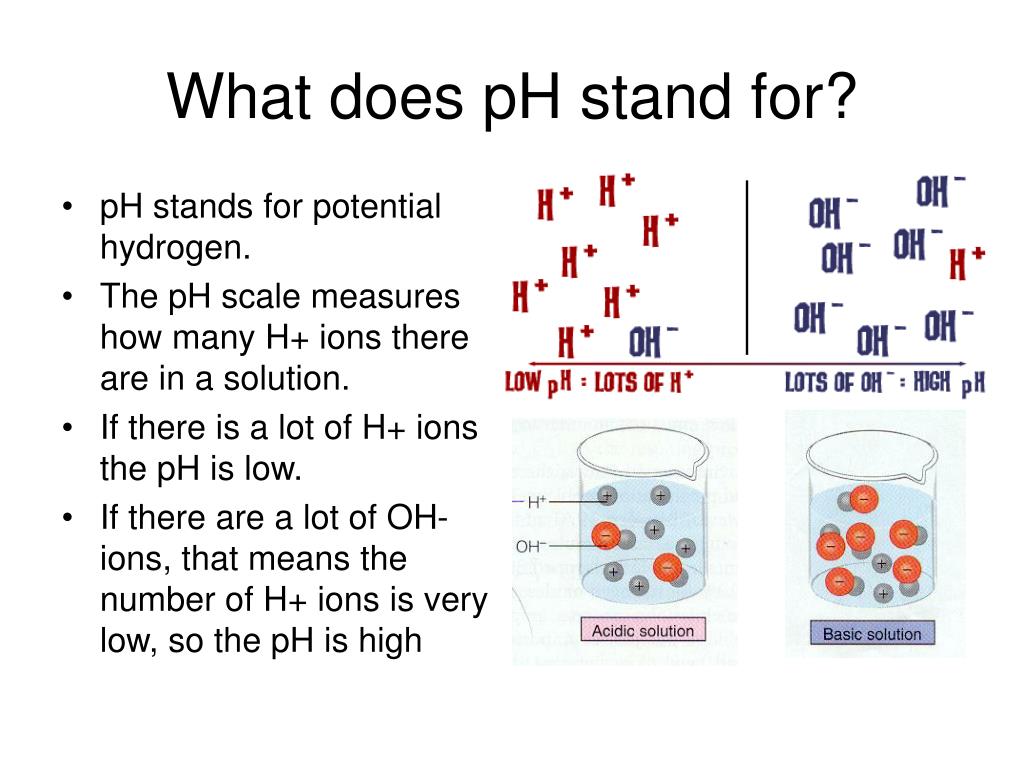
First off, let’s get the biggest myth out of the way. PH does not stand for “potential hydrogen” or “power of hydrogen,” even though you’ll see that thrown around on a thousand wellness blogs. (Side note: please don’t believe everything your favorite influencer sells you.) The real story is both simpler and weirder than that.
A Very Short, Slightly Nerdy History Lesson
The term “pH” was actually cooked up way back in 1909 by a Danish chemist named Søren Sørensen. Yes, his first name is Søren. No, I’m not making that up. He was working at a brewery—because of course, who else would care about acid levels in liquids?—and he needed a convenient way to measure the concentration of hydrogen ions.
Must Read
So, what does PH stand for in water? Technically, it stands for “potentia hydrogenii” in Latin, which means “power of hydrogen.” But here’s the kicker: Sørensen himself used the symbol “pH” with a lowercase “p” as a mathematical operator. That “p” literally means “negative logarithm of”—yeah, I know, math is the worst. But don’t zone out; stay with me.
What This Actually Means for Your Glass of Water
Think of pH as a scale from 0 to 14 that tells you how acidic or alkaline something is. Pure water sits right in the middle at pH 7, which we call “neutral.” That’s the sweet spot—your tap water ideally hangs out around 6.5 to 8.5, depending on where you live.
If the pH is lower than 7, your water is acidic (think lemon juice or battery acid—please don’t drink battery acid). If it’s higher, it’s alkaline or basic (like baking soda or bleach). (Ironic pause: the same people who panic about acidity will happily drink lime juice in their margarita. We’re complicated creatures.)
 PPT - Water Quality Testing PowerPoint Presentation, free download - ID
Here’s where it gets personal for you, the reader. That “pH balanced” water Karen bought? It’s mostly marketing fluff. Your body has an incredible internal system—your kidneys and lungs—that keeps your blood pH locked at around 7.4, no matter what you drink. You could chug a gallon of alkaline water and your body would just laugh and pee out the excess.
Why You Should Care About pH in Water (And Why You Shouldn’t Panic)
Okay, so what does PH stand for in water when it comes to your health? Only one thing matters: extreme pH can mess with your pipes and your taste buds. Water that’s too acidic (below 6.5) can leach copper or lead from old plumbing—and that’s a real problem. Water that’s too alkaline (above 9) tastes bitter and slippery, like you’re drinking liquid chalk.
But the whole “alkaline water cures everything” craze? Yeah, save your money. Unless your doctor specifically tells you to drink high-pH water for acid reflux (and that’s still debated), you’re basically paying for fancy marketing. (Cue the “but my expensive water bottle has a filter!” rebuttal. I see you, Karen.)
The most common question I get: “But bottled water labels say pH 6.8 or 7.2—should I care?” Honestly? Not really. Your tap water is tested daily by your local water utility to stay within safe pH limits. The bottled stuff is often just tap water that went through additional filtration. The number on the label is mostly for bragging rights.
 PPT - Understanding Atoms and Interactions: A Comprehensive Overview
How to Check Your Water’s pH (Because Now You’re Curious)
You can buy pH test strips online for like ten bucks. Just dip one in your glass, wait a few seconds, and match the color to a chart. (Warning: you will suddenly start testing everything—your morning coffee, your kombucha, your neighbor’s pool. It’s a slippery slope.)
The takeaway: What does PH stand for in water? On a scientific level, it’s the negative logarithm of hydrogen ion concentration. In plain English: it’s a number that tells you if your water is too sour, too soapy, or just right. Your body doesn’t care about the exact number as much as the water companies want you to believe.
The Ironic Truth
We spend billions of dollars on “alkaline water” machines and fancy bottles, but the real health risk in most water isn’t the pH—it’s things like lead, microplastics, or bacteria. So before you stress about whether your water is pH 7.0 or pH 8.5, just make sure it’s clean. Drink it. Move on with your life.
And next time someone asks you “what does PH stand for in water?” at a party, you can smile knowingly and say, “It’s Latin for ‘power of hydrogen,’ but Sørensen just used it as a math trick.” They’ll either be deeply impressed or slowly back away. Either way, you win. (Plus, now you get to feel smug every time you see a fancy water bottle ad. You’re welcome.)
