What Does Ph In Water Stand For

So, picture this: I’m at a friend’s barbecue, right? The sun is blazing, and I’m parched. I grab a glass of water from the cooler, take a huge gulp, and—*blech*—it tastes like...

So, picture this: I’m at a friend’s barbecue, right? The sun is blazing, and I’m parched. I grab a glass of water from the cooler, take a huge gulp, and—blech—it tastes like a tin can left in the rain. My friend laughs and says, “Oh, that’s the pH in the water, don’t worry about it.”
I smiled and nodded, but inside I was screaming: What does pH in water even mean? If you’ve ever had that same “tin can” moment, or just stared at a bottle of “alkaline water” feeling totally lost—you’re in the right place. Let’s demystify this weird little term together, shall we?
So, What Does pH Stand For? (A Quick Science Party Trick)
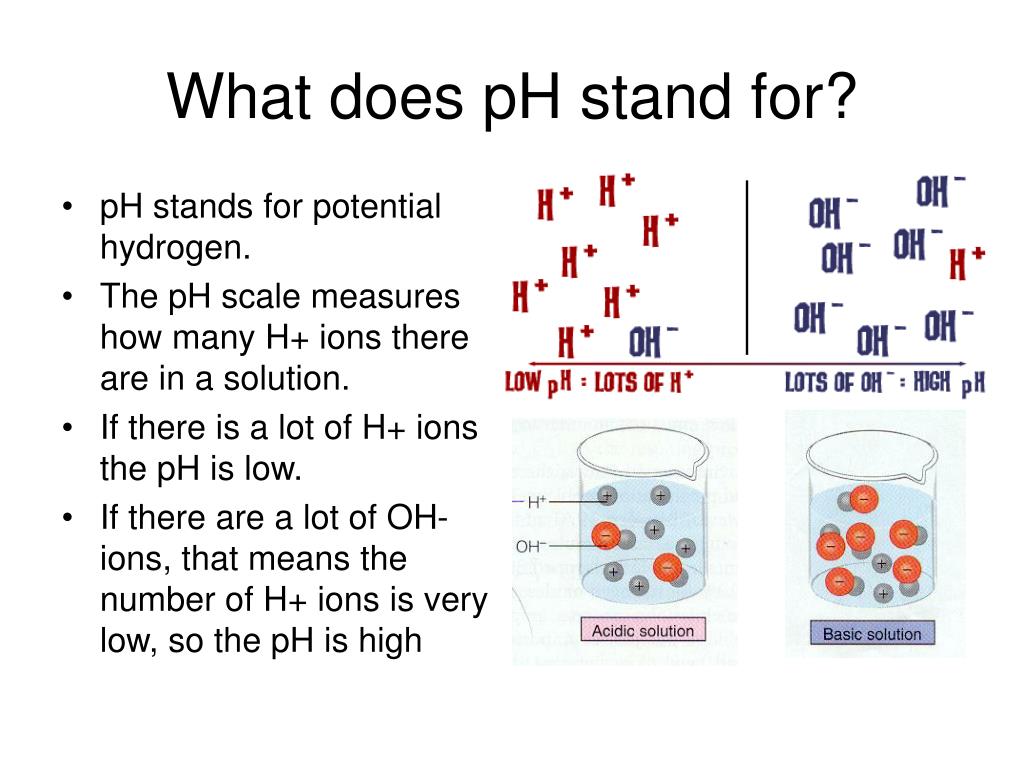
First, the official answer—because you know we have to start with the boring stuff to get to the good part. pH stands for “potentia hydrogenii,” which is Latin for “power of hydrogen.”
Must Read
Fancy, right? But really, it’s just a measure of how many hydrogen ions are floating around in your water. The more hydrogen ions, the more acidic the water is. The fewer ions, the more basic (or alkaline) it is.
The scale runs from 0 to 14, with 7 being perfectly neutral. Think of it like a seesaw: below 7 is sour and sharp (like lemon juice), above 7 is bitter and slippery (like baking soda water). Your tap water usually sits somewhere between 6.5 and 8.5—unless your pipes are ancient, in which case, godspeed.
The “Fish Tank” Analogy (Because That’s How My Brain Works)
You know how a fish tank has a little gauge that tells you if the water is safe for your goldfish? That’s basically pH for your own body. If the water is too far off the scale, your internal systems have to work extra hard to balance things out.
Now, your stomach is a beast—it’s a super acidic environment (around pH 2) that can dissolve your dinner and a plastic spoon if you’re not careful. But your blood? It’s a control freak that demands a pH of exactly 7.35 to 7.45.
So when you drink water with a weird pH, your body doesn’t freak out—it just adjusts. But extreme levels can taste bad or feel harsh on your teeth. And if you’re a plant, or a goldfish, or a coffee maker? You definitely care about this number.
 PPT - Water Quality Testing PowerPoint Presentation, free download - ID
The “Acidic vs. Alkaline” Grudge Match (No One Wins)
You’ve seen the marketing: “Alkaline water will change your life!” Or the horror stories: “Acidic rain is melting our statues!” Let’s cut the drama. Acidic water (pH below 6) can leach metals like lead or copper from your pipes—that’s why my barbecue water tasted like a tin can.
Alkaline water (pH above 8) has a cult following. Some folks swear it helps with acid reflux or boosts hydration. The truth? Your stomach acid is so strong that most alkaline water gets neutralized before it reaches your bloodstream. But hey, if it makes you drink more water, do it—just don’t pay $5 a bottle for the privilege.
Side note: Ever notice how bottled water companies put the pH on the label like it’s a secret code? “pH: 7.8—Feel the purity!” Cute, but most of the time, it’s just a marketing trick. Your tap water probably has the same pH, minus the fancy font.
How to Test Your Water (Without a Lab Coat)
Curious about your own water? You can buy a pH test strip at any pet store or online for a few bucks. Dip it in a glass of tap water, wait thirty seconds, and compare the color to a chart. It’s like a mood ring for your sink.
If your water is too acidic (below 6), you might notice blue-green stains in your sinks or a metallic taste. If it’s too alkaline (above 8.5), you’ll get white scale deposits on your faucets and a slippery feel on your hands—like you never fully rinsed the soap off.
 PPT - Understanding Atoms and Interactions: A Comprehensive Overview
Most municipal water suppliers keep it in the “safe zone” (6.5–8.5) because they don’t want lawsuits. But if you’re on a well? You might be in for a surprise. Test it, or risk your morning coffee tasting like a chemistry experiment.
What About pH and Your Health? (The Honest, No-BS Truth)
There’s a myth floating around that drinking alkaline water “cures cancer” or “balances your pH.” Let’s squash that right now: your body regulates its own pH perfectly well without help from fancy water. You’d have to drink an ocean of alkaline water to make a dent.
However, there is some evidence that slightly alkaline water (pH 8–9) might help with dehydration after intense exercise. But the effect is tiny, and you’d get the same benefit from adding a pinch of salt and a squeeze of lemon. Lemon is acidic, by the way—so the “alkaline diet” crowd is weirdly obsessed with it. Don’t overthink it.
Bottom line: If your water tastes good and doesn’t leave weird stains, your pH is probably fine. Worry more about contaminants like lead, chlorine, or bacteria. That’s where the real health risks live, not in a number on a tiny plastic strip.
The Final Sip (Or Gulp, Your Choice)
So, back to that barbecue. I now know that the pH in my friend’s water was probably acidic from old pipes, and the solution wasn’t a magic bottle—it was a $20 filter pitcher. Knowledge is power, and in this case, it’s also better-tasting iced tea.
Next time someone throws the word “pH” at you at a party, you can nod wisely and say, “Ah, the power of hydrogen—fascinating.” Or you can just laugh and say, “Yeah, I’m more of a 7.0 kind of person.” Either way, you’re in on the secret now. Drink up, my friend—and may your water never taste like a tin can again.
