Does Tap Water Contain Bacteria

Let’s be real for a second: you’ve probably stood at the kitchen sink, glass in hand, and wondered, “Is there… stuff… swimming in this?” You’re not alone. The question of whet...

Let’s be real for a second: you’ve probably stood at the kitchen sink, glass in hand, and wondered, “Is there… stuff… swimming in this?” You’re not alone. The question of whether tap water contains bacteria is one of those quiet anxieties we all share, right up there with “Did I leave the oven on?” and “Why is my phone listening to me?”
The short, refreshing answer is yes, but it’s not the scary kind of yes. Think of your tap water less like a sterile lab sample and more like a busy, well-policed city. It’s alive, but it’s also under constant surveillance by your local water treatment plant, the unsung hero of modern life.
The Invisible Ecosystem in Your Glass
First, let’s get the science bit out of the way without the jargon hangover. Tap water isn’t a sterile, lifeless liquid; it’s a dynamic environment. Even after rigorous treatment with chlorine or UV light, a few hardy microorganisms—mostly non-pathogenic bacteria—can survive.
Must Read
According to the EPA, the goal is to eliminate disease-causing pathogens, not to achieve absolute zero. Think of it like your gut microbiome: a little bacterial life isn’t just normal, it can be harmless or even beneficial. The vast majority of these microbes are what scientists call “environmental bacteria”—the kind you’d find in a pristine mountain stream, not a Petri dish from a horror movie.
So, when someone dramatically declares “Tap water has bacteria!” they are technically correct, but it’s like saying “Your skin has mites.” It’s true, but it’s also totally fine. The real worry isn’t the existence of bacteria, but the type and quantity—and that’s where the safety net comes in.
A Quick Trip to the Treatment Plant (The Coolest Place You’ve Never Seen)
Imagine a massive, high-tech spa day for your water. First, it gets a deep-tissue massage (sedimentation) to drop out the heavy stuff. Then, it gets a chemical exfoliation (filtration) through sand and charcoal. Finally, it gets a germ-killing face mask—usually chlorine or ozone—that zaps most bad guys on contact.
You’ve heard of the Colonel? Meet Coliform. This bacteria is the water world’s canary in the coal mine. Water utilities test for total coliform constantly. If they find E. coli, a specific type, they hit the panic button because it signals fecal contamination. This is incredibly rare in municipal systems, but it’s why boil-water notices are a big deal.
Fun fact: your tap water has been tested more times in the last week than your favorite organic juice bar has tested its kale. The EPA mandates thousands of tests annually for every public water system. That’s a lot of clipboards and a lot of peace of mind.
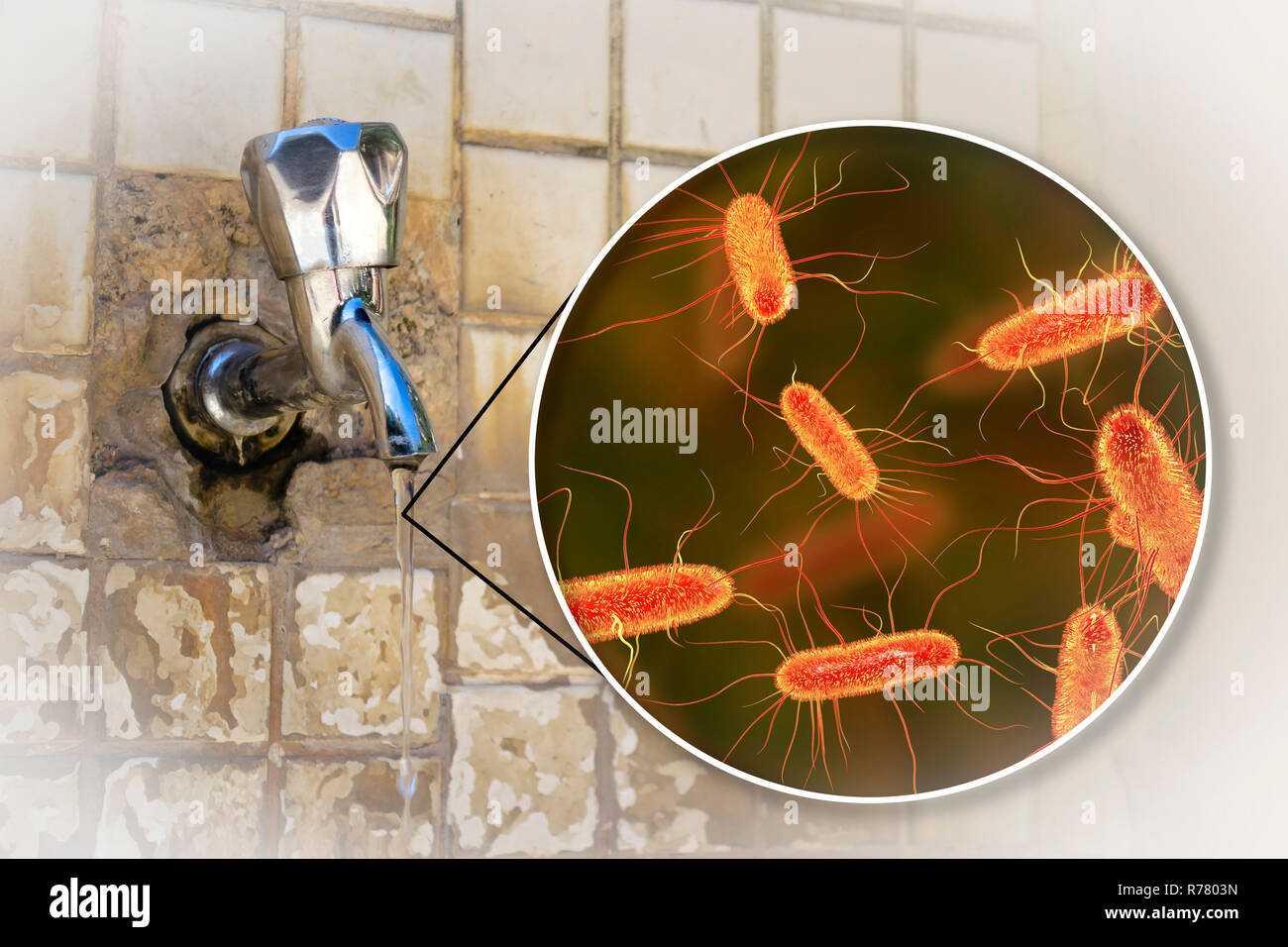 Does Tap Water Have E Coli at Mason Mullan blog
The Home Front: Your Pipes, Your Rules
Here’s the plot twist: the water leaving the treatment plant is pristine. The drama (and potential bacteria growth) usually starts in your pipes. Think of your home’s plumbing as the final star in a long relay race. It starts strong, but it can stumble.
If your faucet has a low-flow aerator, that little screen can become a cozy hotel for bacteria if it’s never cleaned. Biofilm—that slimy, slightly sticky layer—can build up in older pipes or rarely-used taps. It’s not necessarily dangerous, but it’s a sign your water is getting a little too comfortable.
Another culprit? Your kitchen sponge. It’s a bacterial nightclub, and when you use it to wipe a faucet, you’re just cross-pollinating the guests. Pro tip: wipe your faucet with a paper towel or a dedicated cloth, not the sponge that lives in the sink’s damp twilight zone.
Practical Tips for the Modern Water Drinker
Don’t panic; just practice a little “water hygiene” like you would with your skincare routine. First, let the cold tap run for 15-30 seconds every morning before drinking. This flushes out any bacteria that grew overnight in the warm, still water of your pipes.
Second, clean your faucet aerator. Unscrew it once a month, soak it in a vinegar solution for an hour, and scrub off any visible gunk. It takes two minutes and feels surprisingly satisfying. Third, keep your water pitcher cold in the fridge. Bacteria love lukewarm water—they’re basically tiny sunbathers.
If you’re still nervous, a simple activated carbon filter (like a Brita) does more for taste than for bacteria removal. For true germ-paranoia, you need a UV filter or a reverse osmosis system—but that’s like bringing a flamethrower to a candle-lighting ceremony. Most people just need a clean glass and a little perspective.
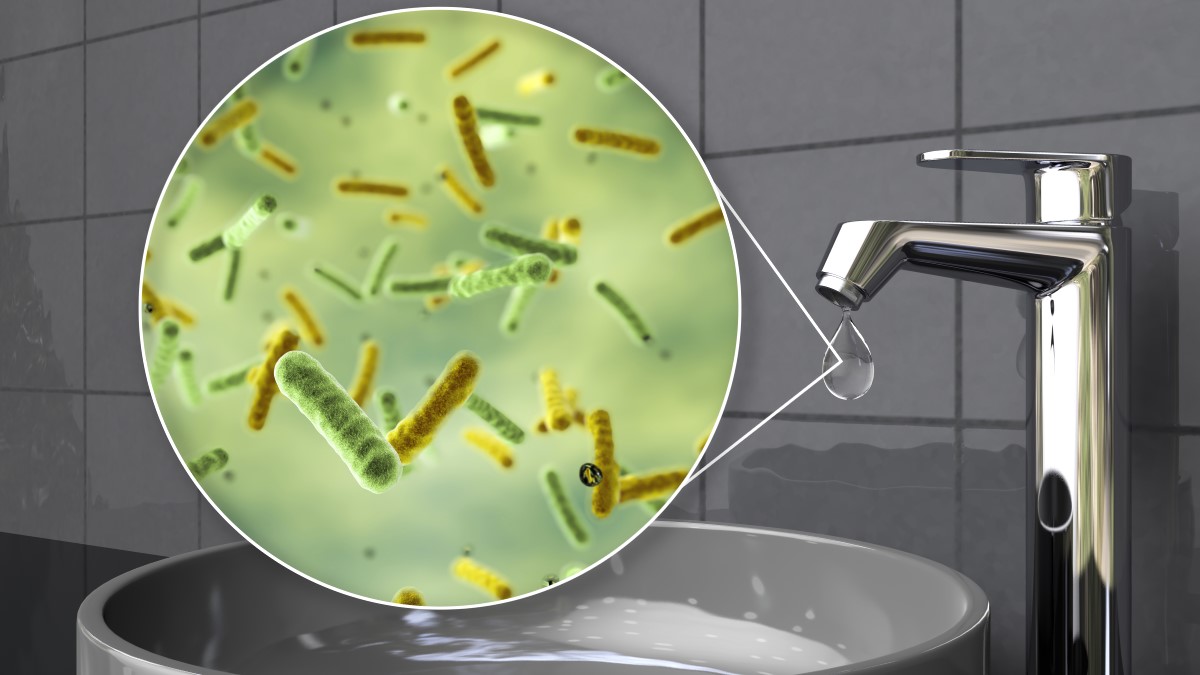 Signs Of Contaminated Well Water
Cultural Sips: A Global Glass of Water
In Paris, they carefully pour tap water (called carafe d’eau) with an air of sophistication. In Tokyo, they drink it proudly because it’s softer than most bottled water. In many parts of the world, tap water is a luxury not to be trusted, making our own low-grade anxiety a form of privilege.
Remember the scene in Joe vs. the Volcano where Tom Hanks obsesses over a sterile water bottle? That’s us when we get too wound up. The reality is that American and European tap water is among the most regulated beverages on the planet. It faces more legal scrutiny than kombucha, and definitely more than that suspicious pickle juice at the back of your fridge.
Fun fact number two: the human body contains more bacterial cells than human cells. You are literally a walking, talking ecosystem. A few more microbes from your tap water are just the universe adding a few roommates to your apartment. You’ll barely notice.
The Reflection: One Glass, One Moment
So, does tap water contain bacteria? Yes, but it’s the friendly, neighborly kind—the kind that reminds you that you’re part of a living planet. The real threat to your health isn’t the water; it’s the stress about the water. We spend so much time worrying about invisible enemies that we forget the simple pleasure of a cold, clear drink on a warm afternoon.
Next time you fill your glass, take a breath. Look at the water. It’s been through a journey of mountains, pipes, and chemical baths to get to you. It’s clean, it’s safe, and it’s alive in the best possible way. Drink up, and maybe give a silent toast to the civil engineers and chemists who make it all possible.
After all, the best thing you can do for your daily life is to stop fighting the microscopic world and start enjoying the big, beautiful one right in front of you. Cheers to that weird, wonderful truth.
