Does Sacramento Have Hard Water

You’ve just moved to Sacramento. You pour a glass of tap water, take a sip, and notice a faint, chalky aftertaste. Your glassware has a stubborn white film, and your hair feel...
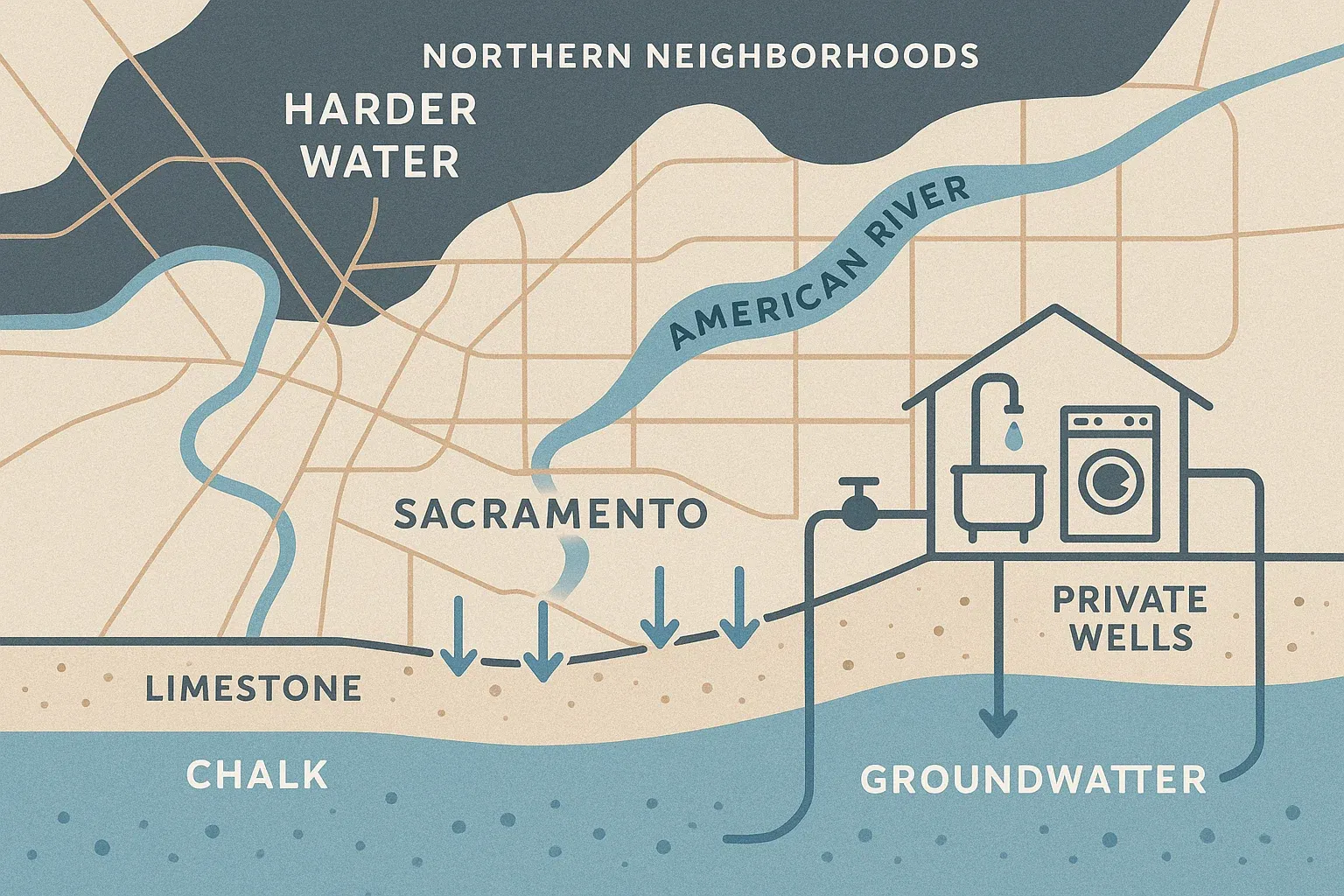
You’ve just moved to Sacramento. You pour a glass of tap water, take a sip, and notice a faint, chalky aftertaste. Your glassware has a stubborn white film, and your hair feels oddly stiff after a shower. Welcome to the California capital, where the water is famously hard—and we mean that in a geological, not a fitness, sense.
Sacramento’s water comes primarily from the American and Sacramento Rivers, but it takes a long, mineral-rich journey to reach your faucet. As snowmelt flows down from the Sierra Nevada, it percolates through layers of granite, limestone, and volcanic rock, picking up significant amounts of calcium and magnesium along the way. This natural filtration gives the city a water hardness level that typically ranges between 300 and 500 parts per million—far above the 60-120 ppm considered “moderate.”
To put that in perspective, Sacramento’s water is roughly three to four times harder than what you’d find in Boston or Seattle. In the water-softness hall of fame, we’re not even in the building. But before you start ordering case after case of bottled water, take a breath—hard water is not dangerous. In fact, the extra minerals can actually contribute beneficial trace amounts of calcium and magnesium to your diet.
Must Read
The real drama unfolds in your plumbing and appliances. Those chalky deposits are called limescale, and they’re the uninvited guests that never leave. They build up inside your hot water heater, coffee maker, and dishwasher, forcing them to work harder and shortening their lifespan by up to 30%. That’s not just an annoyance; that’s a minor villain in your monthly budget.
Your hair and skin feel the effects too. Hard water binds with soap, creating a sticky residue known as “soap scum” that prevents proper rinsing. This can leave your scalp feeling dull and your skin dry and irritated—especially for anyone with eczema or sensitivities. If your morning shower feels less like a spa treatment and more like a science experiment, you’re feeling the hard truth of Sacramento water.
Practical Tips for Living with Hard Water
First, consider a whole-house water softener. These systems use ion-exchange technology to swap calcium and magnesium ions with sodium or potassium, dramatically reducing hardness. Installation can cost between $1,000 and $3,000, but they can extend the life of your water heater by years and cut down your detergent usage by half.
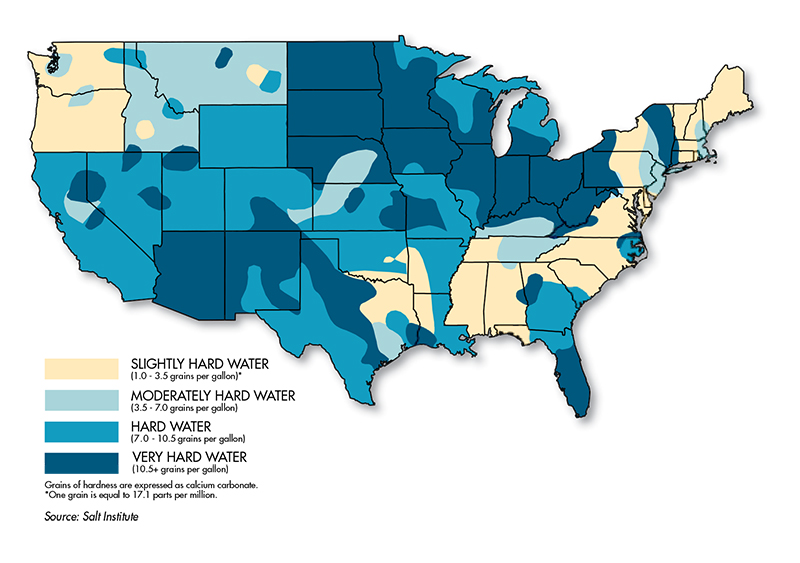 Hard Water Areas | Sun Soft® Water Softening Salt
If a whole-house system isn’t in the budget, go for targeted solutions. A countertop water filter (like Brita or PUR) improves taste, but does not soften water—get one with a “scale reduction” feature. For your shower, invest in a quality showerhead filter that uses vitamin C crystals or KDF media to reduce chlorine and mineral buildup. Your skin will thank you.
For everyday maintenance, use a limescale dissolver on your faucets and showerheads monthly. A simple mixture of white vinegar and water (one part vinegar to one part water) works wonders—just soak a cloth and wrap it around the spout overnight. In your dishwasher, add a commercial rinse aid and run a monthly cycle with a cup of vinegar to keep the heating element clean.
Fun Fact & Cultural Callbacks
Sacramento isn’t alone in this hard-water club. Other notable members include Las Vegas (infamously hard), Indianapolis, and even parts of London, England. In fact, Londoners have been battling limescale for centuries, which is why their iconic “London Pride” ale uses water that’s naturally soft—a fluke of local geology. If you ever taste a British pint and wonder why it’s so smooth, now you know: it’s the opposite of our River City brew.
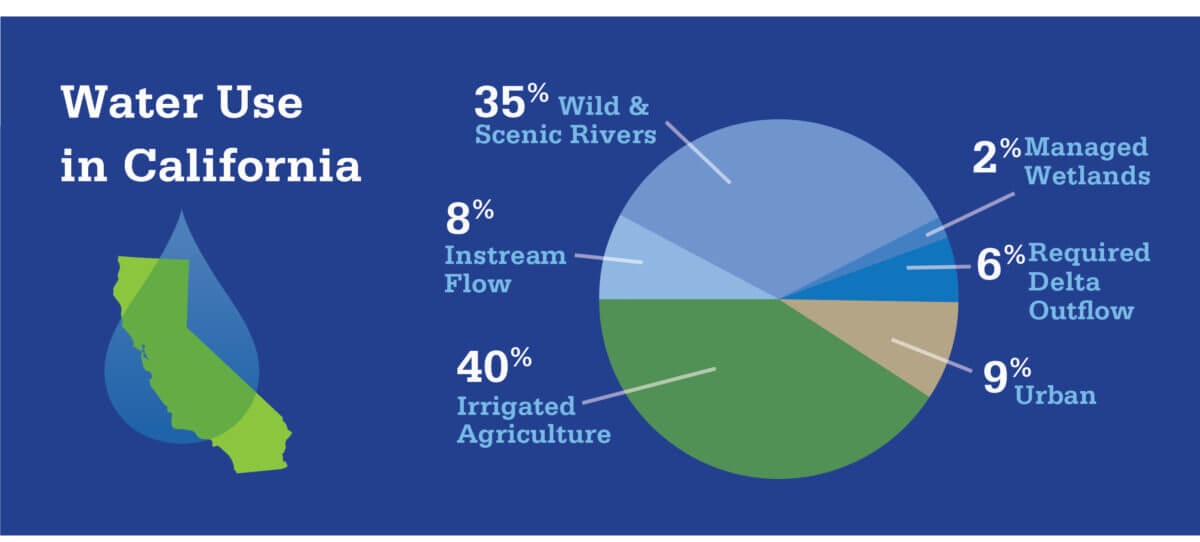 Understanding Water Use In The Sacramento Valley: A Closer Look
There’s also a bit of Sacramento lore here. During the Gold Rush, miners used river water to pan for gold, and the hard water’s mineral content sometimes left a white residue on their pans. They called it “river cream,” and it was considered a sign of rich sediment. Today, that same residue decorates your coffee pot—though we don’t recommend mining it for gold.
The Bottom Line
Yes, Sacramento has hard water. It’s a geological reality, not a judgment on your lifestyle. With a few practical adjustments—a good filter, regular cleaning, and maybe a softener—you can live comfortably with it. The water is safe, clean, and actually quite good for your bones, even if it’s tough on your hair.
And here is the reflection: The same hard water that leaves a film on your glass is also what helps that California poppy grow stubborn and bright in your garden. It’s a reminder that the ground beneath us—minerals, history, and all—shapes our daily rituals, from the first sip in the morning to the last rinse at night. That chalky taste? It’s just the Sierra Nevada saying hello.
