Why Does Soda Water Taste Salty

You crack open a can of sparkling water, take a sip, and pause. Something tastes faintly salty—but there is no sodium on the label. You are not imagining it, and you are defin...

You crack open a can of sparkling water, take a sip, and pause. Something tastes faintly salty—but there is no sodium on the label. You are not imagining it, and you are definitely not alone.
That subtle, briny note has sparked endless debates and confused taste buds everywhere. Is it the bubbles, the minerals, or just your brain playing tricks? Let’s unravel this fizzy mystery with a chilled glass in hand.
The Chemistry of a Salty Mirage
Soda water is simply carbonated water, but the story is a little more complex. Carbon dioxide dissolves into water to form carbonic acid, which gives that sharp, biting tang.
Must Read
That acid actually alters how your tongue perceives salt. It can amplify the sensitivity of your salt-detecting taste receptors, making even trace minerals taste more pronounced.
So the bubbles themselves are the pranksters. They trick your brain into thinking there’s more salt than there really is—a kind of sensory illusion in a glass.
Minerals: The Silent Contributors
Most soda waters are not just pure H₂O. Brands like Topo Chico, Perrier, or San Pellegrino add natural mineral blends for character.
Key players like sodium bicarbonate, calcium, and magnesium are often present. Even a tiny amount—say 20 to 100 milligrams of sodium per liter—can register as that faint saltiness.
Fun fact: Club soda explicitly adds sodium compounds for taste and fizz control, making it the saltiest of the sparkling family. Your plain seltzer? Almost always mineral-free.
Your Taste Buds Are the Real Curators
Everyone’s palate is a little different, and yours might be hyper-sensitive to sodium. Some people taste salt in sparkling water because of genetic variations in taste receptors.
It is also a matter of contrast. If you just ate something sweet, the first sip of soda water can feel saltier by comparison—the palate does a little recalibration.
 10 Causes Of My Water Taste Salty? (How To Fix It)
Environmental factors like acidity interact with your saliva too. A dry mouth or recent coffee can make that mineral tang stand out even more.
A Cultural Tour: How We Drink the Fizz
In Mexico, Topo Chico is legendary for its bold, salty bite, often paired with lime and street food. People crave that minerality like a savory condiment.
European sparkling waters—from the Alps to Italy—are bottled with their natural mineral profiles intact. Locals accept a slightly briny finish as a sign of authentic terroir.
Compare that to American seltzers, which aim for neutrality. The cultural expectations shape whether that salty hint is a flaw or a feature.
Practical Tips for the Perplexed Sipper
If the saltiness bothers you, try a different brand. Plain seltzer (like LaCroix or generic store brand) has no added minerals and tastes the cleanest.
Add a squeeze of lemon or lime—citrus neutralizes the salty perception while enhancing the refreshment. A single wedge can transform the experience.
For cocktail lovers, use club soda in savory drinks like the Salty Dog or a Bloody Mary. That extra sodium actually helps balance strong spirits.
Fun Little Facts to Share at Dinner
Did you know that Roman soldiers drank mineral-rich spring water for its perceived healing properties? The “salty” taste was considered medicinal.
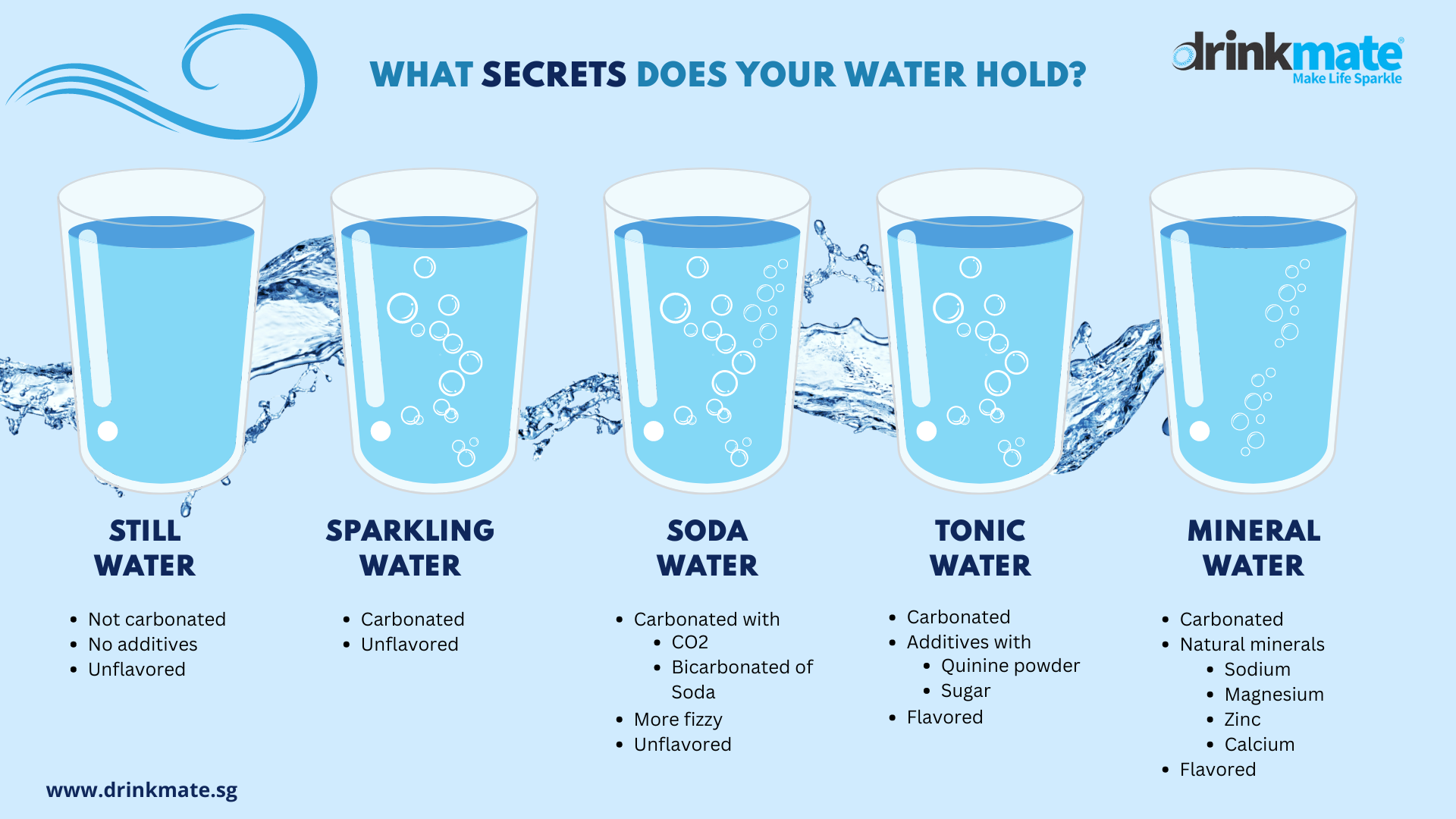 Soda Water vs. Sparkling Water: Unveiling the Fizz Facts | Drinkmate SG
Professional wine tasters sometimes use plain sparkling water to reset their palates between sips. They claim the bubbles “scrub” the tongue of lingering flavors—including salt.
Japan has a popular “salt soda” (ensui) deliberately flavored with light brine. It’s a refreshing, savory trend that proves saltiness can be intentional and delightful.
Maybe Saltiness Is Just Texture
Think about it: carbonation creates a sense of sharpness on the tongue. Our brains associate that prickly sensation with the taste of salt, even when no crystals exist.
It’s a bit like how we “hear” a soda’s hiss or “feel” its weight in the glass. Taste is never just chemistry—it’s memory, anticipation, and context wrapped in one sip.
So trust your tongue. That faint saltiness is the water telling you a story about its origins, its bubbles, and its relationship with you.
A Short Reflection on Daily Life
We rush through our days, often missing the small sensory whispers—like that tiny salty note in a glass of bubbles. It reminds us to slow down and taste fully.
Next time you fizz up, don’t just gulp. Let the first sip linger, notice that hint of brine, and smile at the chemistry at play.
Because in a busy world, finding a little complexity in something as simple as water might be exactly the kind of pause we all need.
