Does Hard Water Cause Dry Scalp

Have you ever noticed that your scalp feels a little extra angry after a shower? Like, no matter how much conditioner you use, it still feels like a dry, itchy desert? You’re...
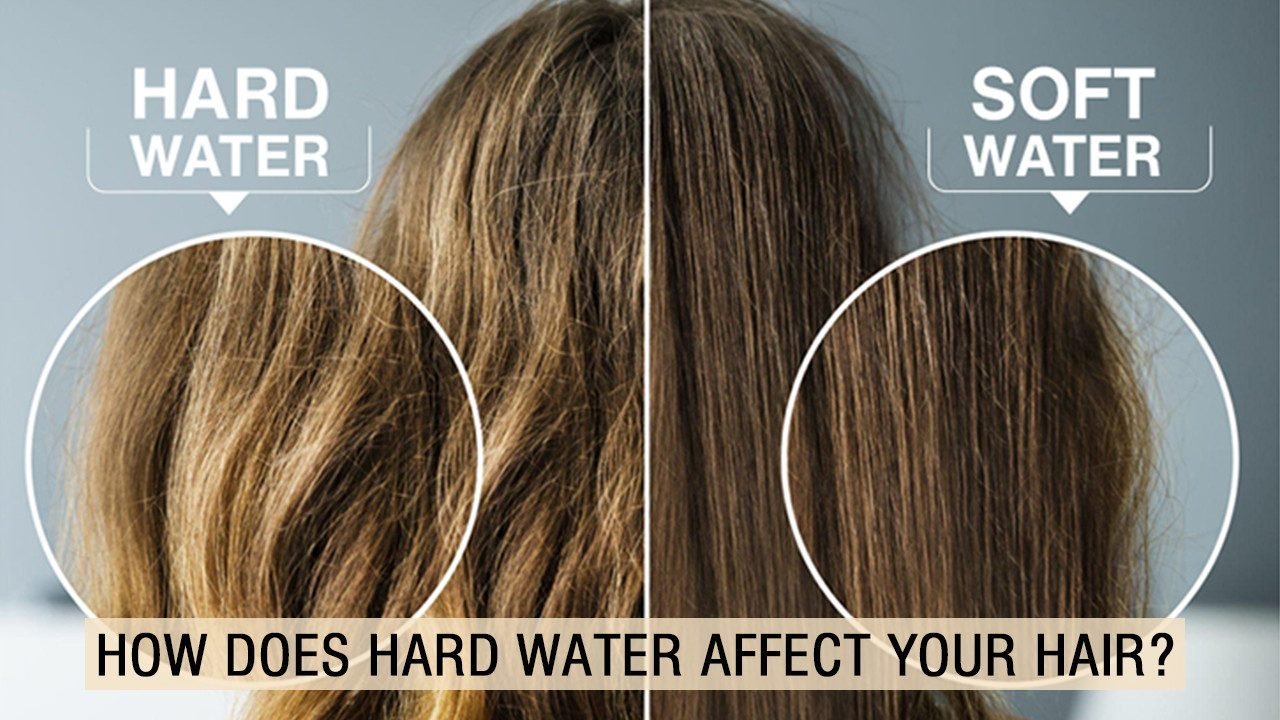
Have you ever noticed that your scalp feels a little extra angry after a shower? Like, no matter how much conditioner you use, it still feels like a dry, itchy desert? You’re not alone, and the culprit might be hiding right in your tap water.
We’re talking about hard water. It’s the stuff that leaves those cloudy white spots on your dishes and makes your soap feel stubborn. But can it actually wreck your scalp? Let’s get curious about it.
The Secret Life of Hard Water
Hard water is basically regular water that’s been on a mineral-collecting road trip. It picks up extra calcium and magnesium as it travels through rocks and soil.
Must Read
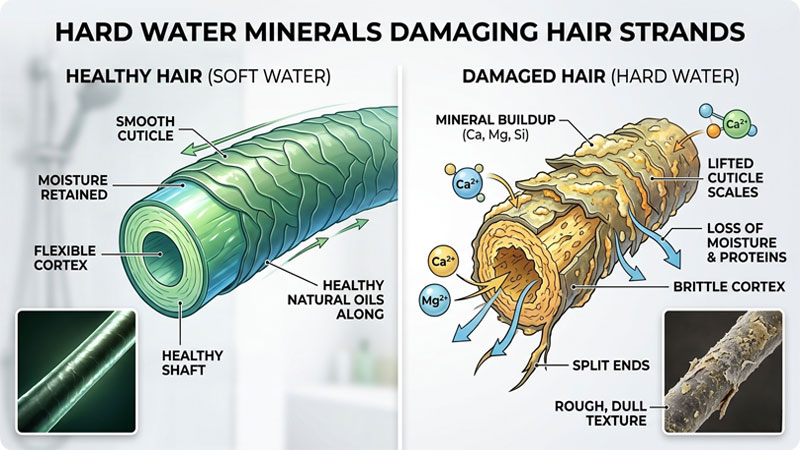
Think of it as water that’s “buff.” It’s full of heavy stuff. And when this mineral-heavy water meets your shampoo, it doesn’t just rinse away nicely—it leaves a film behind.
That film is a bit like a stubborn winter coat on your hair and scalp. And here’s the twist: it’s not necessarily drying you out directly, but it is blocking moisture from getting in.
Why Your Scalp Throws a Tantrum
Imagine trying to water a plant with a plastic bag wrapped around its roots. That’s what hard water does to your scalp’s moisture.
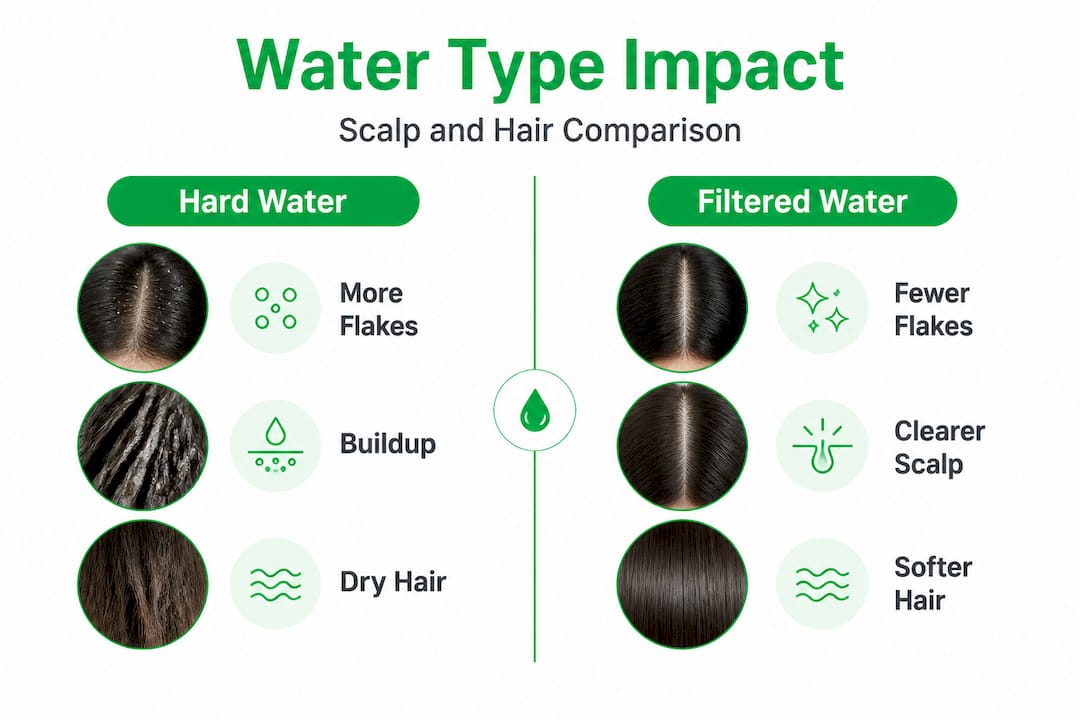
The mineral buildup from hard water can clog your pores and trap dead skin cells. This creates an environment where your scalp feels tight, itchy, and flaky.
But here's the fun part: it’s not always the water’s fault directly. It’s more like the water is inviting dryness to the party. The film keeps your natural oils trapped, so your scalp can't breathe or balance itself.
Is It Really Hard Water, or Just Bad Shampoo?
You might be thinking, “But I use a sulfate-free shampoo!” That’s great, but hard water doesn’t care about your organic labels. It reacts with any cleanser to form a soap scum.
 Does Hard Water Cause Hair Fall? Chlorine, Iron & Bath Water Explained
Ever notice how your hair feels slightly waxy or rough after washing? That’s the hard water minerals clinging to your strands and scalp. It’s like your hair got a tiny, invisible helmet made of limestone.
So, yes, it can absolutely be the main cause of your dry scalp—if you live in an area with high mineral content. Check your local water report. If it’s over 120 mg/L of calcium carbonate, you’ve got hard water.
The Fun Comparison: Your Scalp vs. A Dishwasher
Think of your scalp like a dish in a dishwasher. If you wash with hard water, your glasses come out cloudy, right? That’s the same mineral residue that lands on your skin.
Now imagine that cloudy film sitting on your scalp 24/7. It’s not painful, but it’s annoying. And over time, it can strip away your scalp’s natural protective barrier, leaving it looking like a dried-up lakebed.
But don’t panic! Your scalp is tough. It just needs a little help washing off that invisible coat.
How to Tell If It’s the Water (A Simple Test)
Here’s a chill science experiment you can try at home: fill a clear bottle with tap water, add a few drops of pure liquid soap, and shake it. If it doesn’t lather up well and looks cloudy, you’ve got hard water.
Another clue? If your shampoo bottle has a weird white crust around the cap, that’s mineral buildup—and it’s probably happening on your scalp too.
 How filtered water can improve your scalp health
Your scalp might also feel better after washing with bottled or filtered water for a few days. If it does, congratulations—you’ve solved the mystery.
What Can You Do? (Without Moving to a New City)
You don’t have to abandon your home. A simple chelating shampoo (one that grabs minerals) can help remove the buildup. Use it once a week, and follow with a moisturizing conditioner.
Another pro tip: apple cider vinegar rinses are a gentle way to dissolve those mineral deposits. Mix one part vinegar with four parts water, apply after shampoo, and let it sit for a minute. Your scalp will feel like it just took a deep breath.
Or, if you’re feeling fancy, install a shower head filter. It won’t soften the water completely, but it can remove enough sediment to make your scalp much happier.
The Bottom Line (It’s Not All Bad)
So, does hard water cause dry scalp? Yes, it can—but it’s more of a silent accomplice than a villain. It blocks moisture, creates buildup, and makes your skin’s job harder.
The cool thing is, once you understand the water’s personality, you can work with it. Your scalp isn’t doomed to be flaky forever. A few tweaks to your routine, and you’ll be back to feeling comfortable.
And hey, next time you see that white residue on your coffee pot, just give it a wink. You’ve outsmarted the hard water game. Your scalp thanks you.
