Why Does Water Taste Like Metal

Have you ever taken a sip of water only to feel like you just licked a spoon? That weird, metallic tang is jarring, isn’t it? You’re not alone—it’s one of the most common comp...
Have you ever taken a sip of water only to feel like you just licked a spoon? That weird, metallic tang is jarring, isn’t it? You’re not alone—it’s one of the most common complaints about tap water.
But here’s the cool part: water doesn’t actually contain metal in the way you taste it. Your tongue is playing tricks on you, or rather, your chemistry set is reacting to something invisible.
It’s Not Rust, It’s Science
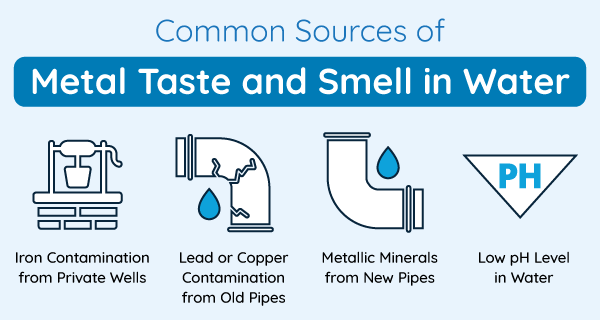
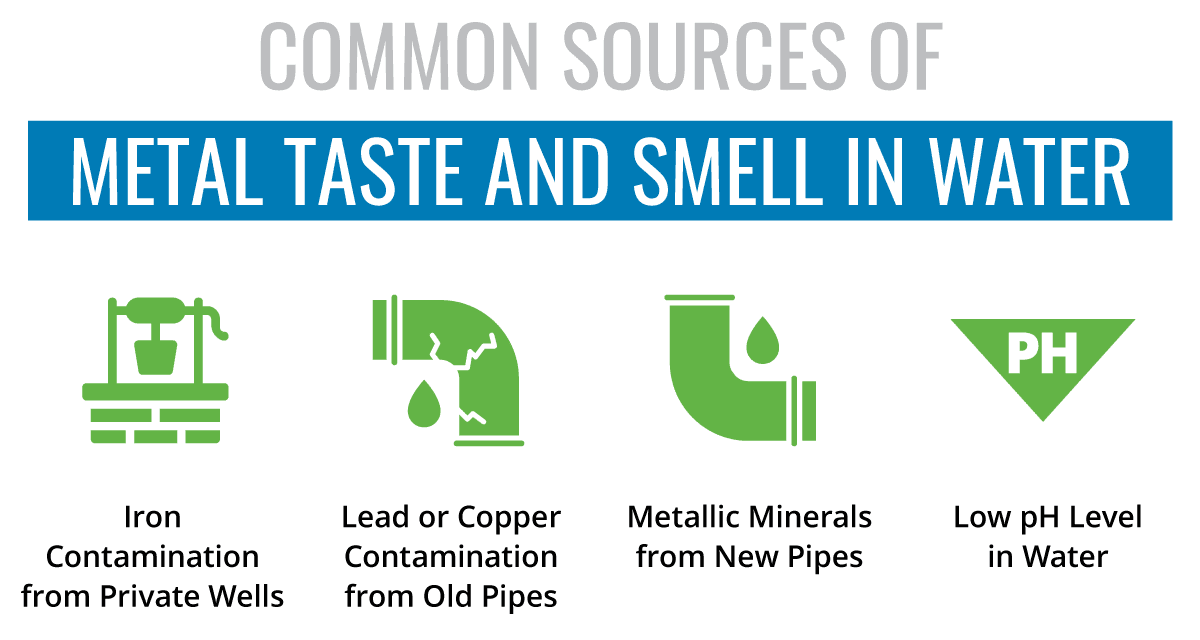
Most of the time, that metallic taste comes from trace minerals like iron, copper, or zinc dissolved in the water. Your pipes are the usual suspects—old copper or galvanized steel pipes can leach tiny particles into your glass.
Must Read
Think of it like this: water is a curious little thief. It steals microscopic bits of metal from your plumbing, and your tongue—being incredibly sensitive—detects those particles as a "metallic" flavor.
Why does your tongue care? Because those metal ions trigger your taste buds and your sense of smell at the same time. It’s a double-whammy of “nope.”
Your Mouth Is a Battery
Here’s where it gets wild: your own saliva can create a tiny electrical current. Yes, you are basically a human potato battery.
When metal ions from water hit your saliva, they react with your tongue’s proteins. That reaction is essentially a weak electric charge—and your brain interprets that zap as “metal taste.”
So that weird flavor isn’t a piece of metal floating around. It’s your own body making electricity and calling it dinner.
The Phantom Metal Taste
What if your water tastes metallic but you just moved into a new place? Sometimes the culprit isn’t your plumbing at all—it’s your medication or even a cold.
 Why Does My House Water Taste Like Metal at Bambi Foust blog
Certain antibiotics, antihistamines, and vitamins can fool your taste buds into tasting metal. Even pregnancy can turn your water into a metallic nightmare. Crazy, right?
Your brain is basically a DJ mixing weird signals: a sinus infection, a new pill, or low iron levels can all “sample” the metallic taste track.
Is It Dangerous?
Okay, let’s get real for a second. In most cases, a metallic taste is not a health emergency. It’s more like a weird text message from your water supply.
But if the taste gets strong or persistent, it might mean your copper or iron levels are too high. That’s worth checking with a home test kit—not because you’ll die, but because high copper can stain your laundry or upset your stomach.
Think of it like this: a little metallic taste is like a friend who tells a boring joke—annoying but harmless. A lot of it is like a friend who keeps yelling—time to look into it.
The Science of “Bleah”
Fun fact: your tongue has specific receptors for metal ions. That means your body evolved to detect iron and copper on purpose. Why? Because in nature, metals often signal blood or rot.
So when you taste metal, your ancient brain goes: “Don’t drink this, it might be dangerous!” Even though it’s just your pipes being chatty.
 Why Does My Water Taste Like Metal | The Tube
It’s like your taste buds are wearing tiny metal detectors—and they get overly excited about your tap water.
How to Fix It (If You Want)
If the metal taste bugs you, a simple trick is to run your faucet for 30 seconds before filling a glass. Let the water flush out the stale bits that sat in the pipes overnight.
You can also use a filter pitcher or a fridge filter. Those carbon filters are like tiny bouncers that kick out the metal ions before they reach your cup.
Or just add lemon. Seriously—citric acid neutralizes the metallic taste, and suddenly your water feels like fancy spa hydration.
One Last Mystery
Sometimes water tastes metallic because of algae blooms in reservoirs. Yes, microscopic plants can make your kitchen faucet taste like a toolbox. Nature is weird like that.
Or it could be your water heater failing. That old tank can rust and send iron particles through the pipes—like a slow-motion metal parade.
So next time you taste metal in your glass, don’t panic. You’ve just witnessed a tiny science experiment involving electricity, ancient instincts, and a bit of rusty plumbing. Pretty neat, huh?
