Does Water Softener Remove Iron

Ever looked at a glass of water and noticed it looked a bit like a rusty nail had taken a bath in it? That reddish-brown tint is probably iron, and it can turn your morning hy...

Ever looked at a glass of water and noticed it looked a bit like a rusty nail had taken a bath in it? That reddish-brown tint is probably iron, and it can turn your morning hydration into a rather unappetizing experience. You’ve probably heard that water softeners are magic for hard water, but do they actually tackle that metallic menace? Let’s dig in with a chill, curious vibe and find out what’s really going on inside that brine tank.
The Short Answer: It’s Complicated (But Cool)
So, does a water softener remove iron? Yes, but only sometimes, and only a specific kind. Think of it like a bouncer at a club: a regular softener is great at kicking out calcium and magnesium (the “hard water” troublemakers), but iron is a sneakier guest.
Most standard water softeners use a process called ion exchange. They swap hard minerals for sodium, and if the iron is dissolved and clear (we call this ferrous iron), the softener can grab it too. It’s like the bouncer says, “Alright, iron, you can slip in with the calcium crew,” and the resin beads handle it. Pretty neat, right?
Must Read
But here’s the twist: if the iron has already oxidized and turned into that rusty, visible crud (ferric iron), the softener struggles. That orange sludge is too big and solid for the resin beads to catch. It’s like trying to filter sand through a coffee filter—it clogs everything up.
The "Rust Monster" vs. The Softener
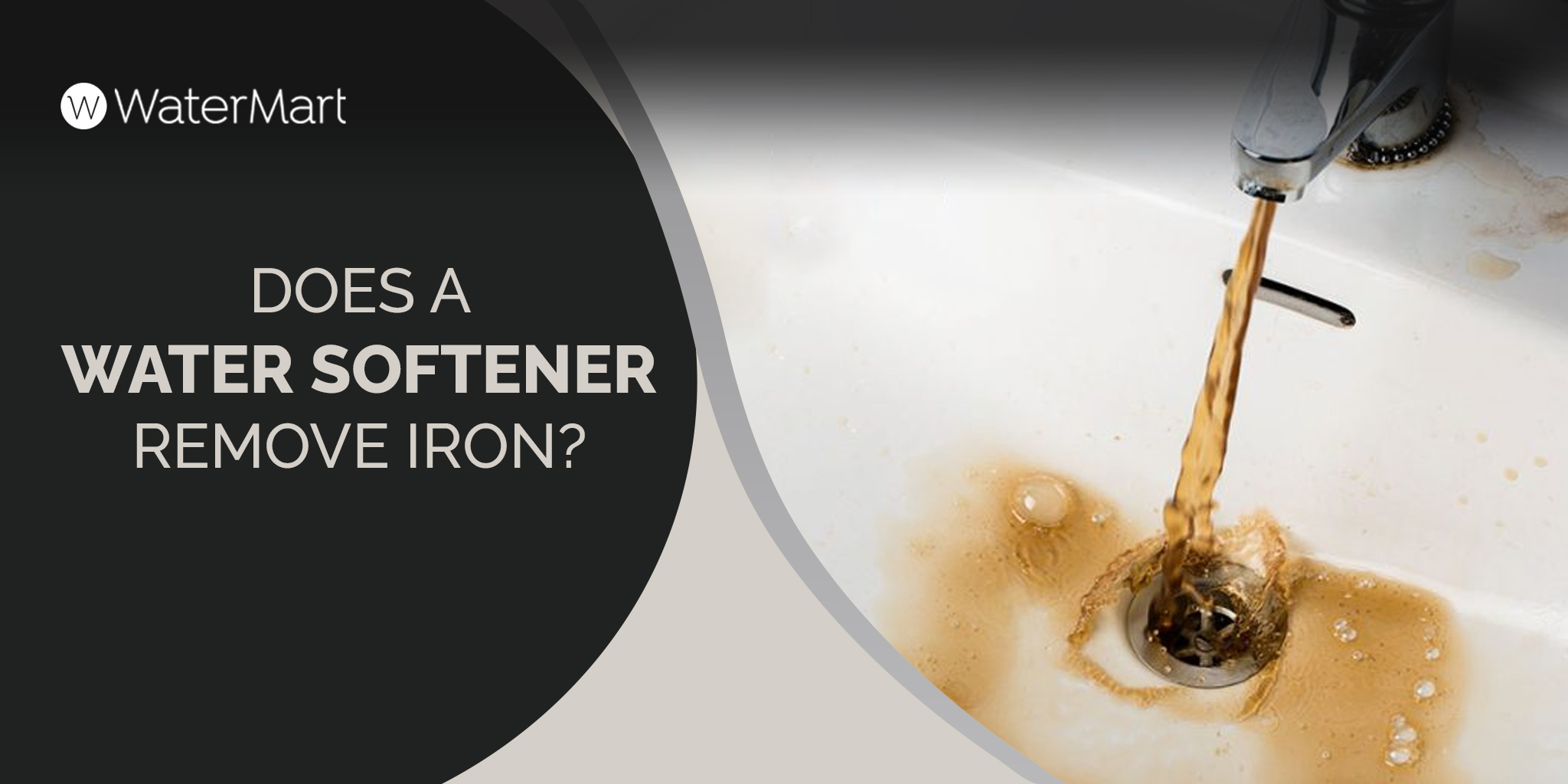
Imagine your water supply as a river. Clear water iron is like a ghost floating invisibly by, and the softener can nab it. But once that ghost hits the air (say, in your toilet tank or a glass), it turns into a rust monster that stains everything.
If you have high levels of iron—like more than 1 or 2 parts per million—a basic softener just isn’t enough. It’s like asking a goldfish to guard your house; it means well, but it’s out of its depth. You might need a dedicated iron filter or a softener with a special resin designed for iron. Fancy, huh?
Why does this matter? Because iron isn’t just a visual bummer. It can make your water taste metallic (ever tried sucking on a penny?), ruin your laundry with orange spots, and even clog your pipes over time. Not fun.
 Common Kitchen Faucet Problems! Troubleshooting & Easy Fixes
The "Salt Power" Factor
Here’s a juicy detail: the type of salt you use in your softener can change the game. Using rust-resistant salt or a cleaning additive can help the resin beads let go of iron during the regeneration cycle. Think of it as giving the bouncer a better mop to clean up after the rowdy guests.
Without that, iron can build up on the resin beads and poison your softener. It becomes less effective over time, like a sponge that’s too full of gunk to soak up any more water. You don’t want that—you want your softener to stay fresh and hungry for minerals.
So, if you’ve got iron in your well water, you’re not doomed. You just need to know your enemy. A standard softener is your best friend for low-level, clear iron. But for the heavy rusty stuff, you need a bigger hero.
Why This Is Actually Awesome
Here’s the cool part: understanding this stuff means you can customize your water like a playlist. If your water has a little iron, a softener is a two-for-one deal: softer skin and no rusty teeth. Who doesn’t love a bargain?
 Tackling Iron in Well Water: The Role of Water Softeners
And if you need a dedicated iron filter? That’s just an excuse to dive into even cooler tech. Some filters use air to oxidize the iron, then trap it like a venus flytrap. Others use a special media that grabs iron and spits out clean water. It’s like science fiction, but for your kitchen sink.
Isn’t it wild how something as simple as water can have this hidden drama? You turn on the tap and expect it to be clear, but behind the scenes, there’s a whole battle between minerals, resin beads, and oxidation. Your plumbing is basically a tiny, soggy superhero movie.
The Verdict (Chill Edition)
So, does a water softener remove iron? Probably, but check the fine print. If your iron is dissolved and clear, you’re golden. If it’s orange and murky, you’ll need backup. Either way, you’re now armed with the knowledge to make a smart choice.
Next time you see a rusty stain in your sink, you can nod knowingly. It’s not just dirt—it’s ferric iron, the rebel that refuses to play nice with your softener. And you, my friend, know exactly how to deal with it. Cool, right?
Go on, test your water. You might just discover your home has a secret iron problem, and now you have the power to fix it. Cheers to clear, tasty water—and a little less rust in your life.
