How Does Water Enter An Aquifer

Okay, let’s talk about something you probably never think about: how water gets into an aquifer. I know, it sounds like a geology lecture you’d nap through. But stick with me—...
Okay, let’s talk about something you probably never think about: how water gets into an aquifer. I know, it sounds like a geology lecture you’d nap through. But stick with me—it’s actually weirder and more fun than you’d expect. Picture me leaning over a coffee table, waving my hands.
The Great Underground Sponge
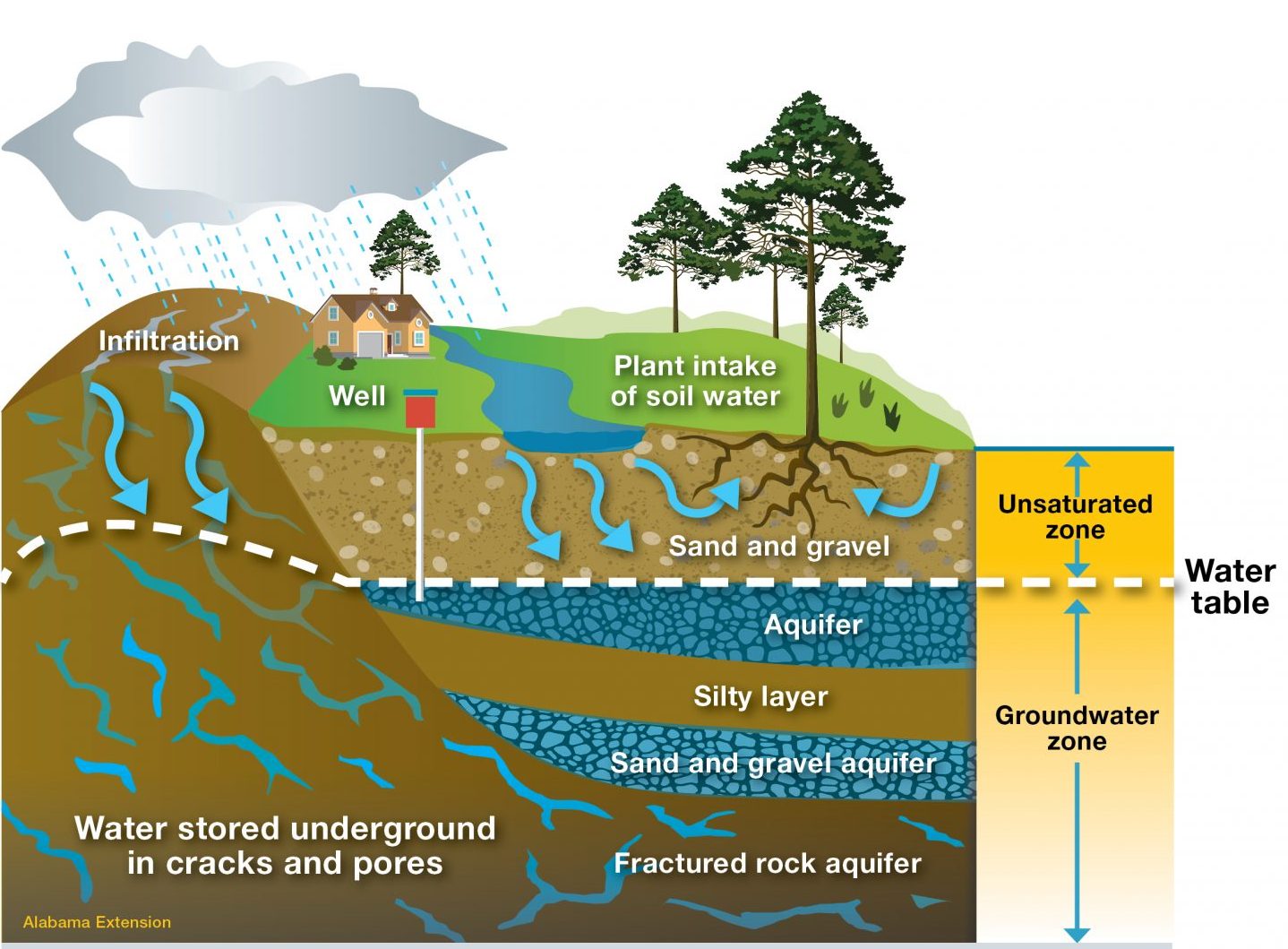
First, imagine an aquifer isn’t a giant, dark cave full of fish (though that would be cool). It’s more like a sponge made of rock and sand. Water doesn’t just fall into a hole.
It has to squeeze in through tiny spaces between grains of sand or cracks in limestone. Think of it like your shower drain after a hairball—slow, frustrating, but eventually, it works.
Must Read
This whole process is called recharge. And it’s basically a slow-motion magic trick.
Rain: The Obvious Star
You’d think rain is the hero here, right? Well, yes. But it’s a drama queen. Most rain doesn’t even make it underground—it runs off into rivers, puddles, or your neighbor’s giant inflatable pool.
Only about 10% to 20% of that rain actually trickles down. The rest is busy evaporating or getting chugged by tree roots. Rude, right?
But the rain that does make it starts a journey. It seeps through soil, then sand, then gravel, like a passenger falling asleep on a very long, very slow train.
Where Does It Go First?
Before water reaches the aquifer, it has to survive the vadose zone. That’s a fancy name for the “not yet wet” layer of dirt and rock. It’s like the waiting room for water.
Here, gravity is the bossy manager. It pulls water down, but tiny rock grains hold onto it like a toddler with a toy. This creates a film of water around each grain—called pellicular water—which is basically water’s version of a cozy blanket.
Eventually, if enough water piles up, gravity wins. The water breaks free and drips down to the water table. That’s the top of the aquifer party zone.
 Inside An Aquifer
Snowmelt: The Sneaky Helper
Rain isn’t the only way. Snowmelt is a quiet, determined hero. Imagine a pile of snow in spring—it doesn’t just vanish. It melts slowly, giving the ground a gentle drink instead of a firehose blast.
This slow soak is way more efficient. It can recharge an aquifer with almost no runoff. So next time you complain about slush, remember: it’s saving your tap water.
And rivers? They can lose water to the ground, too. Sometimes a river flows over a cracked riverbed, and poof—half its water is gone, sneaking into the aquifer like a kid hiding under their bed.
The Different Aquifers: Fast vs. Slow
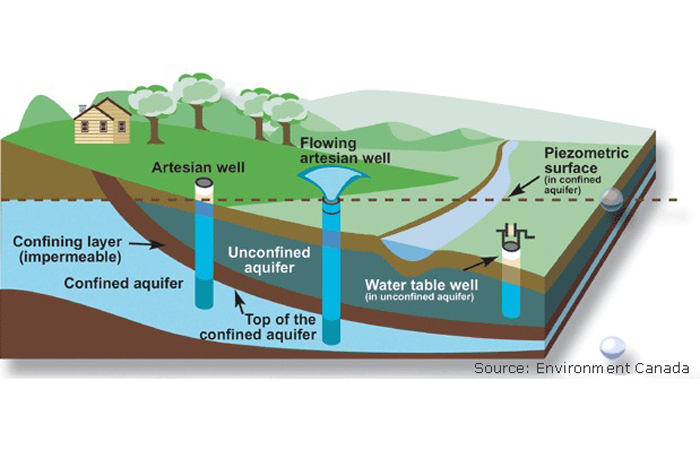
Not all aquifers are the same. Some are like gravel playgrounds—big, open spaces between pebbles. Water can zip through these in days. Others are tight clay, where water moves slower than a snail on a treadmill.
Then there are karst aquifers, made of limestone. Rainwater eats away at the rock, creating caves and tunnels. Water enters these like a waterslide at a water park—fast and dramatic. But it also means pollution gets in just as fast.
So, water’s speed depends on the porosity (how many holes) and permeability (how connected those holes are). A sponge has both. A brick? Not so much.
Human Help (and Hindrance)
We’ve gotten creative about helping water along. Some cities build recharge basins—shallow ponds that let water soak in on purpose. It’s like filling a giant birdbath for the ground.
But we also mess it up. Pavement is a villain here. It blocks rain from reaching the soil. Every parking lot is basically a tiny desert for aquifers.
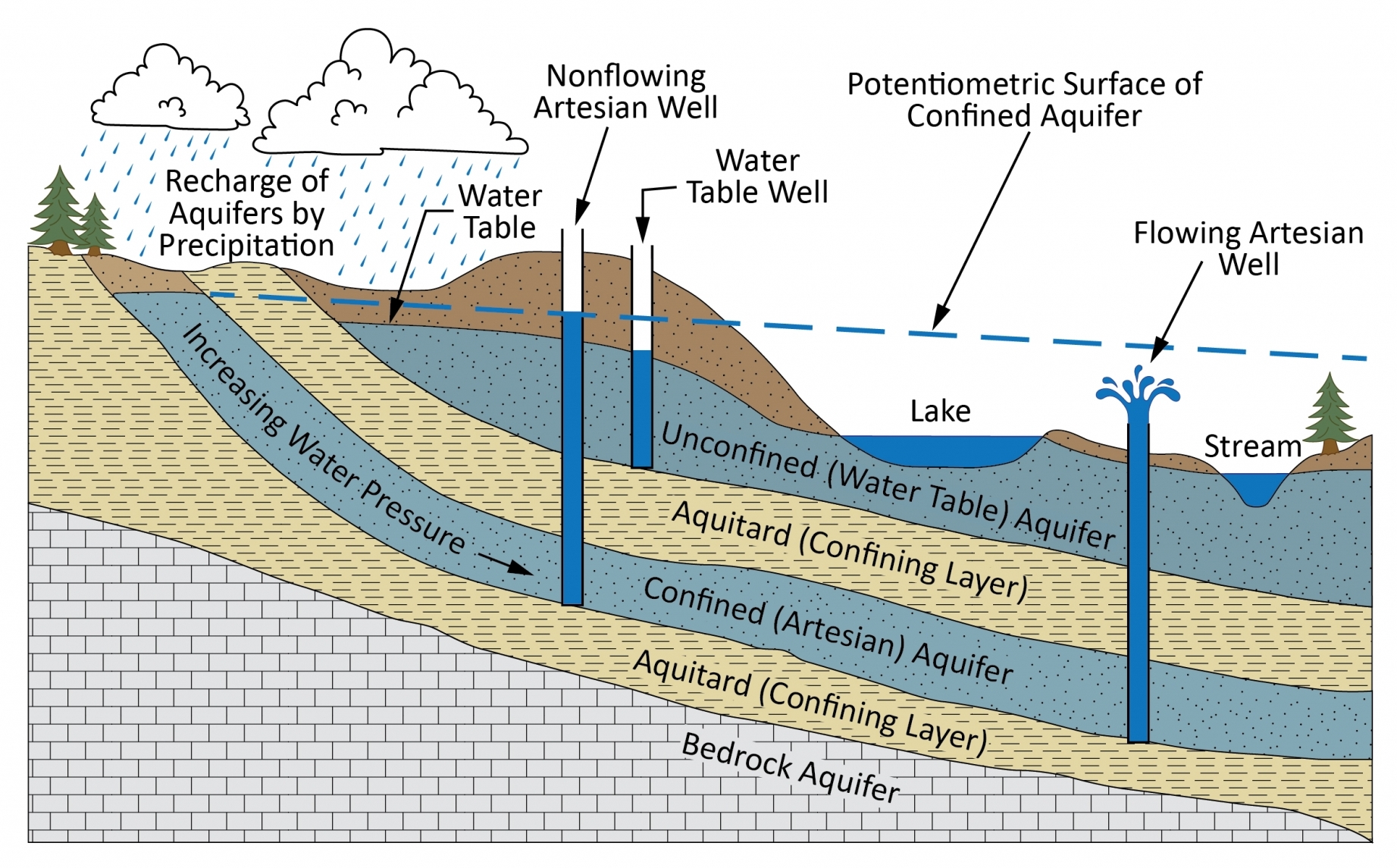 Groundwater & Aquifers - Utah Geological Survey - All For One
And over-pumping? That’s like stuffing half a sponge into a suitcase and expecting it to hold water. It doesn’t work. The ground can even sink, a phenomenon called subsidence.
So, How Long Does It Take?
Here’s the kicker: a single drop of rain can take decades, centuries, or even millennia to reach a deep aquifer. Seriously. Some fossil water from beneath the Sahara is 40,000 years old. It last saw sunlight when woolly mammoths were still doing their thing.
That’s why we call it fossil water. It’s not being recharged at any noticeable rate. It’s like money you find in an old coat pocket—use it wisely, because there’s no more coming.
Meanwhile, shallow aquifers can recharge in a single rainy season. They’re the fast-food version of groundwater. Convenient, but not sustainable for long.
One Weird Trick: Fractures
Sometimes water doesn’t even follow the rules. If the rock is fractured—cracked from earthquakes or pressure—water can zoom down those cracks like a secret tunnel. It’s the groundwater equivalent of skipping the line at a nightclub.
These fractures are unpredictable. One might lead straight to a dry cave. Another could open into a massive aquifer lake. It’s a gamble, and water is the ultimate explorer.
So the next time you drink a glass of water, pause for a second. That water might have taken a 50-year nap in between grains of sand. Or it might have just slid down a rock crack last Tuesday.
And that, my friend, is how water enters an aquifer. No magic spells. Just rain, gravity, a little bit of patience, and a whole lot of tiny empty spaces. Now finish your coffee before it gets as stale as that fossil water.
