How Does Hard Water Affect Hair

So there I was, staring at my shower drain like it had personally insulted me. A sad, greyish-white sludge was clinging to the hair I’d just pulled out, and my fresh-from-the-...
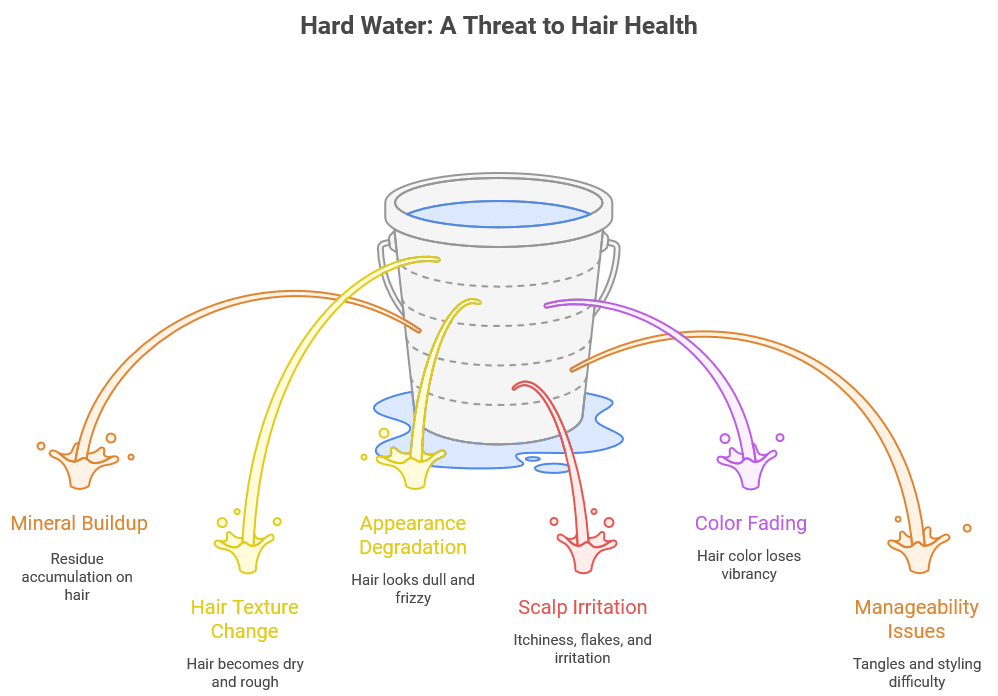
So there I was, staring at my shower drain like it had personally insulted me. A sad, greyish-white sludge was clinging to the hair I’d just pulled out, and my fresh-from-the-salon blowout looked like a greasy, tangled nest. Sound familiar? I blamed my shampoo, my stress levels, and even the phase of the moon—until I realized the real culprit was rushing out of my tap.
That innocent-looking water? It might be the frenemy your hair never asked for. We’re talking about hard water, my friend. It’s literally just water packed with minerals like calcium and magnesium, but don’t let the name fool you—it’s soft on drama.
Why Your Hair Feels Like Straw
Here’s the chemistry bit (I promise it’s quick). When those minerals meet your shampoo, they don’t just dissolve nicely. Instead, they create a soap scum that sticks to your hair like unwelcome glitter at a formal event.
Must Read
This scum coats the hair shaft, blocking moisture from getting in. The result? Your strands feel rough, brittle, and look about as lively as a forgotten houseplant. And yes, that explains why your conditioner feels like it’s doing absolutely nothing.
The Frizz and The Dullness
Hard water lifts the cuticle of your hair—the tiny outer scales that keep things smooth. When those scales are raised, humidity creeps in and frizz takes over. You’ll look like you just wrestled a balloon, even on a calm day.
Color-treated hair, I’m looking at you. The mineral buildup acts like a filter, making your vibrant red look muddy or your blonde turn brassy. It’s not you; it’s the water playing a cruel trick on your salon budget.
The Scalp Conundrum
Your scalp isn’t safe either. That mineral residue can clog pores, leading to itchiness, flaking, or even a false case of dandruff. Don’t you just love it when your head feels like a desert?
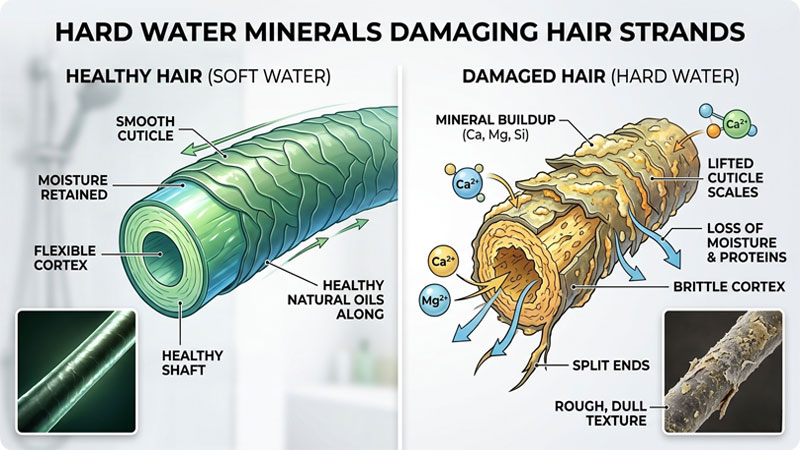 Does Hard Water Cause Hair Fall? Chlorine, Iron & Bath Water Explained
And for the curly-haired crew? Hard water is basically a plot villain. It can make curls lose their definition and turn them into a frizzy, undefined mess faster than you can say “second-day hair.”
Is There a Happy Ending?
Before you start a full-on war with your plumbing, take a deep breath. You don’t have to move to the mountains or install a nuclear-grade filter (unless you want to). A simple chelating shampoo—fancy word for a clarifying one that grabs minerals—used once a week can work wonders.
Another sneaky fix? A vinegar rinse. I know it sounds like a salad dressing, but a mix of apple cider vinegar and water (one part vinegar to four parts water) helps dissolve that crusty buildup. Rinse it out after a few minutes, and your hair might just thank you with a little shine.
You can also try a shower head filter. They’re not magic, but they do reduce mineral content significantly. Your hair will notice the difference before your wallet does, trust me.
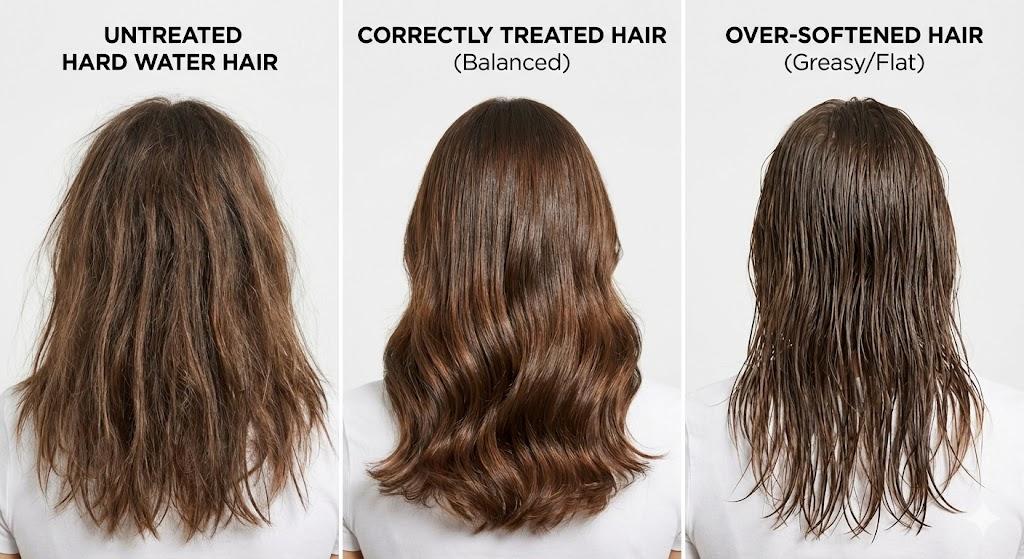 Hard Water Hair Damage: The Complete Guide (Causes, Diagnosis & Fixes)
The Long Game
Look, hard water isn’t going to make your hair fall out in clumps—let’s not panic. But over time, it weakens the hair fiber by stripping natural oils. That leads to more breakage, split ends, and the classic “why is my hair not growing?” frustration. (Spoiler: It is growing, but the ends are snapping off faster.)
So treat your strands like the divas they are. Deep condition regularly, use lukewarm water (hot water makes mineral buildup worse), and maybe give your hair a monthly break from heat tools while it recovers from its mineral bath.
The Ironic Plot Twist
The weirdest part? Hard water is actually great for your skin if you have acne—it dries out oil. But for your hair? It’s that friend who’s a little too honest. You love them, but you need boundaries. So go ahead, buy that clarifying shampoo. Your shower drain will finally stop acting like a grumpy museum of hair history.
And the next time you catch your reflection looking a bit dull, just whisper: It’s not me. It’s the calcium. You’ll feel better. I promise.
