What Is Good Ph Level For Water

So, you’re standing in the water aisle at the grocery store, staring at bottles that say “pH-balanced” or “alkaline.” It feels a little science-y, right? But honestly, figurin...

So, you’re standing in the water aisle at the grocery store, staring at bottles that say “pH-balanced” or “alkaline.” It feels a little science-y, right? But honestly, figuring out what the good pH level for water actually means is way easier than you think. Let’s dive in—no lab coat required.
What Even Is pH in Water?
Think of pH as a personality score for water. It measures how acidic or basic that water is on a scale from 0 to 14. A perfect 7 is neutral—like pure, untouched rainwater (if we pretend pollution doesn’t exist).
Anything below 7 is acidic (think lemon juice or soda), and above 7 is alkaline (like baking soda in a glass). Your tap water usually sits somewhere between 6.5 and 8.5, which is totally normal.
Must Read
But here’s the cool part: your body is a master balancer. It doesn’t matter if you chug a pH 9 bottle or a pH 6 one—your internal systems handle it like a bouncer at a club. So why all the fuss?
Why 7 Is the Magic Number (But Not the Only One)
For drinking water, the “good” pH range is generally between 6.5 and 8.5. That’s what the EPA recommends for public water supplies. Why? Because water that’s too acidic (below 6.5) can leach metals like copper or lead from your pipes—yikes.
On the flip side, water above 8.5 can taste bitter or soapy. Ever had a sip of water that felt “hard” or left a weird film in your mouth? That’s probably high pH at work. So, the sweet spot is neutral to slightly alkaline—like a cozy 7.2 or 7.4.
But here’s the twist: perfectly neutral water (exactly 7) isn’t always the best for taste or your pipes. A little alkalinity (7.5–8.0) often tastes smoother and fresher. It’s like the Goldilocks zone of hydration.
Does Alkaline Water Deserve the Hype?
You’ve probably seen those fancy bottles promising “alkaline water” with pH levels of 8, 9, or even 10. The idea is that it neutralizes acid in your body and boosts energy. Sounds amazing, right?
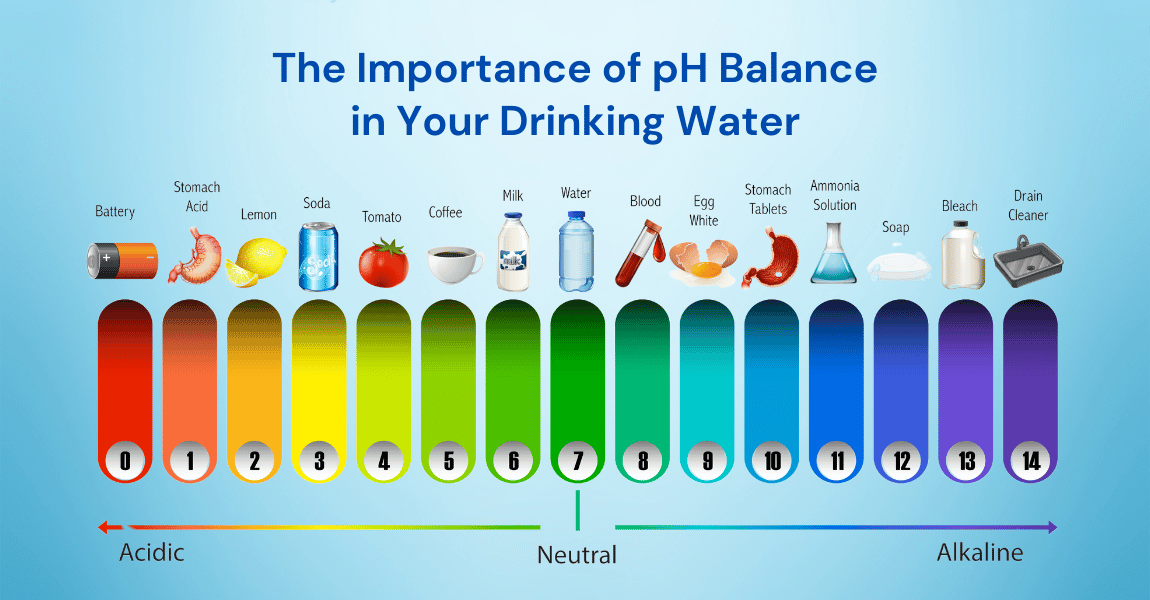 Discover the Importance of pH Balance in Drinking Water for Health
Well, your stomach is a hydrochloric acid factory—it’s insanely acidic (pH 1.5–3.5). When you drink high-pH water, your stomach just dumps even more acid to balance things out. So that alkaline water? It’s mostly just… water.
Some studies suggest alkaline water might help with acid reflux or dehydration during intense exercise, but it’s not a miracle cure. Truth is, your body doesn’t care much about the pH of your water—it cares more about filtering out the bad stuff (like lead or bacteria).
What About Acidic Water? Is It Dangerous?
Low pH water (below 6.5) can taste metallic or tangy, like a faint lemonade without the sugar. While a sip won’t hurt you, long-term drinking of acidic water can be a problem because it corrodes pipes and dissolves heavy metals.
That’s why well water is often tested. If it’s too acidic, a simple filter or a pH-balancing system can fix it. Think of it like a spa day for your water—it just needs a little adjustment.
For the record, natural spring water is usually slightly acidic (around 6.0–6.8) due to minerals and gases. And people have been drinking that for centuries. So don’t panic if your tap water is a 6.4—just check your pipes.
 What Does Ph In Water Do For You | Detroit Chinatown
Fun Comparisons to Keep This Straight
Think of pH like a personality spectrum. Neutral water (pH 7) is that chill friend who gets along with everyone. Alkaline water (pH 8+) is the overly positive friend who always suggests smoothies and morning hikes. Acidic water (pH 6 and below) is the grumpy one who complains about everything—but sometimes has a point.
Or picture this: if water were a song, neutral pH is a pleasant 70 bpm beat—steady and comfortable. Alkaline water is an upbeat pop track, and acidic water is a moody indie ballad. You can enjoy them all, but your body prefers the steady groove most of the time.
In the end, the best pH for water is really about you. If your water tastes clean and comes from a safe source (tested, filtered, or treated), your body will handle the pH without breaking a sweat.
A Simple Takeaway
If you’re curious, grab a pH test strip (they’re cheap online) and check your tap or favorite bottled water. You’ll probably find it’s between 6.5 and 7.5, which is totally fine.
Don’t stress about chasing a perfect number. Instead, focus on hydration—drink when you’re thirsty, choose water over sugary drinks, and maybe try a reusable bottle. Your body is a genius pH-balancing machine, and it’s got your back.
So next time someone asks, “What’s the good pH level for water?” you can smile and say, “It’s the one that makes you want to drink it.” Now go hydrate—your brain deserves a clean, chill sip.
