What Is The Ph In Bottled Water

Let’s be honest—when was the last time you read the label on a bottle of water? Probably never, right? I’m right there with you. You grab a bottle at the gas station, take a s...
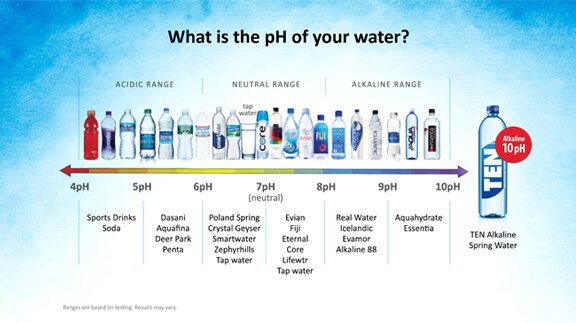
Let’s be honest—when was the last time you read the label on a bottle of water? Probably never, right? I’m right there with you. You grab a bottle at the gas station, take a sip, and hope it’s not going to taste like that weird plastic your kid’s action figure smells like.
So, what even is pH?
Think of pH as a little scale from zero to fourteen that measures how something is, well, behaving. A seven is perfectly neutral, like plain water should be.
Numbers below seven are acidic—imagine lemon juice. Numbers above seven are alkaline (or basic), like baking soda mixed in water. Your blood naturally likes to hang out around a very steady 7.4, and your body works hard to keep it there.
Must Read
Why water companies care about it
Every brand wants to say its water is "perfect." Some boast about a high pH because it sounds fancy and healthy. Others keep it low to match the taste we expect.
For example, I once bought a trendy alkaline water with a pH of 9.5. It felt smooth and creamy, but I wasn’t sure if I was hydrating or just paying for a marketing gimmick. Turns out, most bottled water falls between 6.5 and 8.5.
That’s a pretty wide range! Dasani and Aquafina, for instance, often check in around 6.0 to 6.8—slightly acidic. Evian comes in at a comfy 7.2. Smartwater lands right at 7.0, totally neutral.
A quick story about coffee and guilt
I used to worry that my morning coffee (pH around 5) was ruining my body. Then my dentist laughed and said, “Your stomach acid is pH 1.5. A little coffee is nothing.”
 Figure 1 from Is Your Drinking Water Acidic? A Comparison of the Varied
The truth? Your body regulates pH like a boss. Drinking acidic water won’t turn you into a pickle, and chugging alkaline water won’t make you superhuman. But it does matter for small, everyday things.
What you’ll actually notice
Taste is the biggest clue. Ever had water that tastes flat or metallic? That’s likely low pH (more acidic). Water that tastes “soft” or slightly sweet? That’s often a higher pH.
I once bought a cheap bottle from a vending machine, and it tasted like I was licking a battery. I checked—it was 5.8 pH. Not dangerous, but definitely not pleasant.
If you’re a coffee or tea drinker, you’ve seen pH in action. Adding a splash of acidic water to coffee can turn it bitter. Using higher pH water makes the brew smoother. It’s like being a chemist, but with a mug.
Should you actually care?
Here’s the warm, honest answer: probably not much, unless you have specific health issues. People who suffer from acid reflux or stomach sensitivity might find higher pH water (around 8.0 to 9.0) a little calming. Doctors, however, will tell you that no water cures disease.
 Expensive Bottled Water Brands
But here’s where it gets fun: if you’re curious, you can buy a cheap pH test kit. Dip a strip in your tap water, then in your favorite bottled brand. It’s like a science experiment for grown-ups.
The first time I tested my tap water, I found it was 7.3—just a hair alkaline. I felt oddly proud of my city. Meanwhile, a friend’s tap water was 6.2, and he’d been buying alkaline water for years. He literally said, “My faucet is making sour water?” We laughed.
The bottom line
You don’t need to stress about the pH in bottled water. Your body is a brilliant machine that handles a little variation. But if you taste something weird, now you know why. And if you want to feel like a fancy water sommelier for a day, go ahead—buy that bottle with the pH number on the front.
Just remember: Hydration is the real goal, not perfection. Drink what you like, don’t overthink it, and maybe keep a glass of tap water handy for the plants. They don’t judge a little acidity, and they’ll never tweet about your weird bottled-water habits.
So go on—take a sip, smile, and know you’re already doing great.
