What Is The Ph Of Potable Water

Okay, let's talk water. Specifically, the pH of the stuff that comes out of your tap. It sounds like a science experiment, right? But it’s way more interesting than that quiz...

Okay, let's talk water. Specifically, the pH of the stuff that comes out of your tap. It sounds like a science experiment, right? But it’s way more interesting than that quiz you aced in high school chemistry.
So, What Even Is pH?
pH is just a fancy way to say “potential of hydrogen.” Sounds intimidating, but it’s not. Think of it as a scale from 0 to 14 that measures how acidic or basic something is.
If it’s super acidic (like lemon juice), it’s low on the scale—around a 2. If it’s very basic (like bleach), it’s high—around a 12. Your water? It’s supposed to be a boring, perfect 7.
Must Read
Well, almost perfect. But we’ll get to that in a second. You’re probably wondering, “Why should I care about a number that I can’t even see?” Good question, friend.
The Sweet Spot for Your Tap Water
Regulators (the people who keep your water from tasting like a swamp) have a rule. Potable water should have a pH between 6.5 and 8.5. That’s the official “safe zone.”
Why the wiggle room? Because water is a wild card. It picks up stuff from the ground, the pipes, and even the air. A little shift is normal—like a mood swing, but for H₂O.
If it’s below 6.5, your water is acidic. That can make it taste metallic and even start eating your copper pipes. Yikes. If it’s above 8.5, it’s basic (also called alkaline). That can taste bitter, like a bad cup of coffee.
Is a 7 Really the Magic Number?
Here’s where it gets playful. You see those fancy alkaline water bottles at the gym? They claim a pH of 9 or 10 is the key to eternal life. Let’s be real: your stomach is a pit of hydrochloric acid (pH of about 1.5).
 What Does Ph In Water Do For You | Detroit Chinatown
So, when you gulp down that fancy alkaline water? Your stomach dumps acid on it like a wrestling move. It immediately neutralizes it. That trendy water is just expensive, neutral water by the time it hits your intestines.
Don’t get me wrong—drinking water is great. But chasing a specific pH number for health? That’s like chasing a unicorn. A very wet unicorn. Your body is amazing at balancing itself.
What Happens If the pH Is Off?
Let’s say your tap water is acidic (below 6.5). It might start leaching metals from your pipes. Lead, copper, zinc—none of those are good for a Saturday morning. It can also stain your sinks with a green or blue tint.
If it’s too alkaline, your water feels “slippery.” No joke. It can also leave white scale deposits on your kettle. Ever seen that crusty white stuff? That’s basic water saying hello.
But here’s the kicker: a slightly acidic or slightly basic water is still safe to drink. Unless it’s extreme, your body won’t even notice. Your taste buds might throw a tantrum, but your kidneys? They’re pros.
How Do You Actually Measure It?
You don’t need a lab coat for this. You can buy a pH test kit at any hardware store for like ten bucks. Or grab some pH test strips from a pharmacy. Dip the paper in your glass, wait two seconds, and compare the color to the chart.
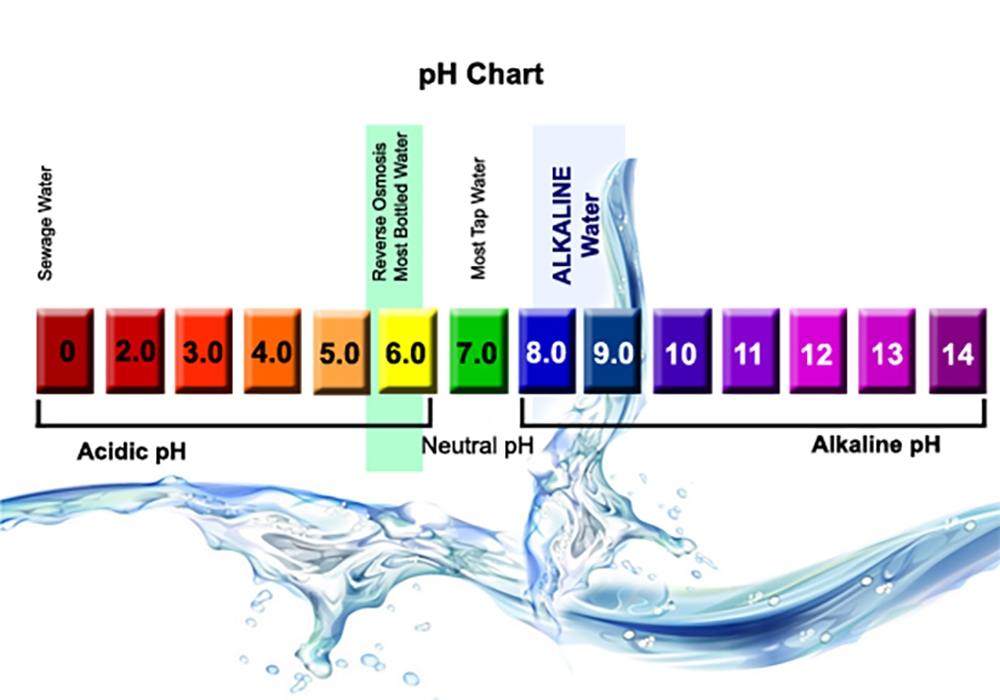 What Is PH In Water? How Much PH Is Good For Drinking Water?
If it’s yellow or orange (indicating acid), you might have a problem. If it’s dark blue or purple (basic), you probably live in a region with hard water. Green is the “boring is beautiful” sweet spot.
Or—and this is my favorite method—you can just call your local water utility. They test it every single day. They’ll tell you the exact number. “It’s 7.4,” they’ll say in a monotone voice. Then you can pretend to understand.
Should You Ever Worry?
Honestly? Rarely. Most municipal water is tested so often that the pH is boringly fine. If you’re on a well, you should check it once a year. But for the rest of us, it’s just another thing to overthink.
Here’s a dirty little secret: your coffee has a pH of about 5. Your orange juice is a 3.5. Even your tap water at pH 8.5 is less “extreme” than the soda you just drank. Perspective is everything.
So, next time you fill a glass, take a sip. Is it refreshing? Does it taste clean? Then stop worrying about the number. The pH of potable water is just a nerdy detail that keeps your pipes happy.
And let’s be honest: you drink water to stay alive, not to win a chemistry award. So unless it’s eating your plumbing or tasting like a rust bucket, you’re golden. Cheers to that.
