What Is Tds In Water Filtration

So, you’ve stumbled upon the mystical world of water filters, and someone threw the term “TDS” at you. It sounds like a scary new virus or a type of tax form, right? Relax. TD...
So, you’ve stumbled upon the mystical world of water filters, and someone threw the term “TDS” at you. It sounds like a scary new virus or a type of tax form, right? Relax. TDS stands for Total Dissolved Solids, and no, it won’t bite—though your tap water might taste a little silly without knowing what it is.
Imagine your water is a party. H2O is the host, but TDS are the uninvited guests: minerals, salts, metals, and even tiny bits of rock that dissolved into the water. Some of these guests are fun—like calcium and magnesium—others are just muddy freeloaders.
Wait, isn’t “dirty” water just cloudy?
Not exactly. Most TDS is invisible to your naked eye. It’s like the silent farts of the plumbing world: you can’t see them, but you’ll definitely taste the difference. A glass of water can look crystal clear and still have a TDS level that would make a river go, “Yikes, maybe I should filter that.”
Must Read
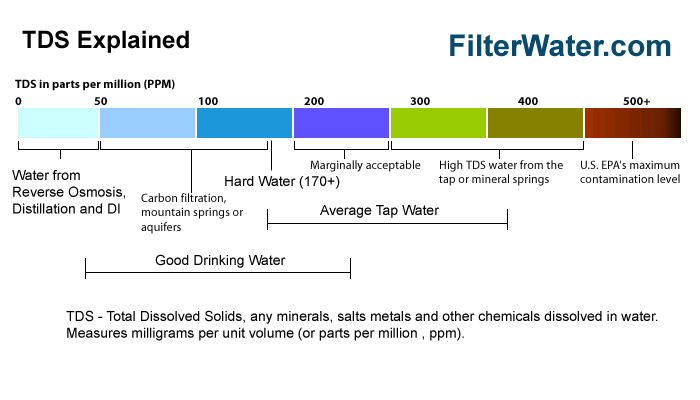
You measure TDS in parts per million (ppm). Think of it as the celebrity gossip score of your water. Zero ppm means your water is basically a boring hermit living in a cave. Most tap water runs between 100 and 500 ppm. Anything above 1,000 ppm? That water has been hanging out with too many rocks.
So, do you need to filter out TDS?
Here’s the plot twist: not all TDS is bad. In fact, your body needs some of those dissolved minerals to function. But too much can make your water taste like a coin collection left in a hot car. And some TDS are straight-up villains—like lead or arsenic—which is why we filter in the first place.
Your typical fridge filter or activated charcoal pitcher? They are great at removing bad tastes and odors, but they’re absolute garbage at removing TDS. Seriously, they’d lose a game of rock-paper-scissors to a TDS molecule. Those filters are more like bouncers who only kick out the loud drunks, not the quiet creepy guy in the corner.
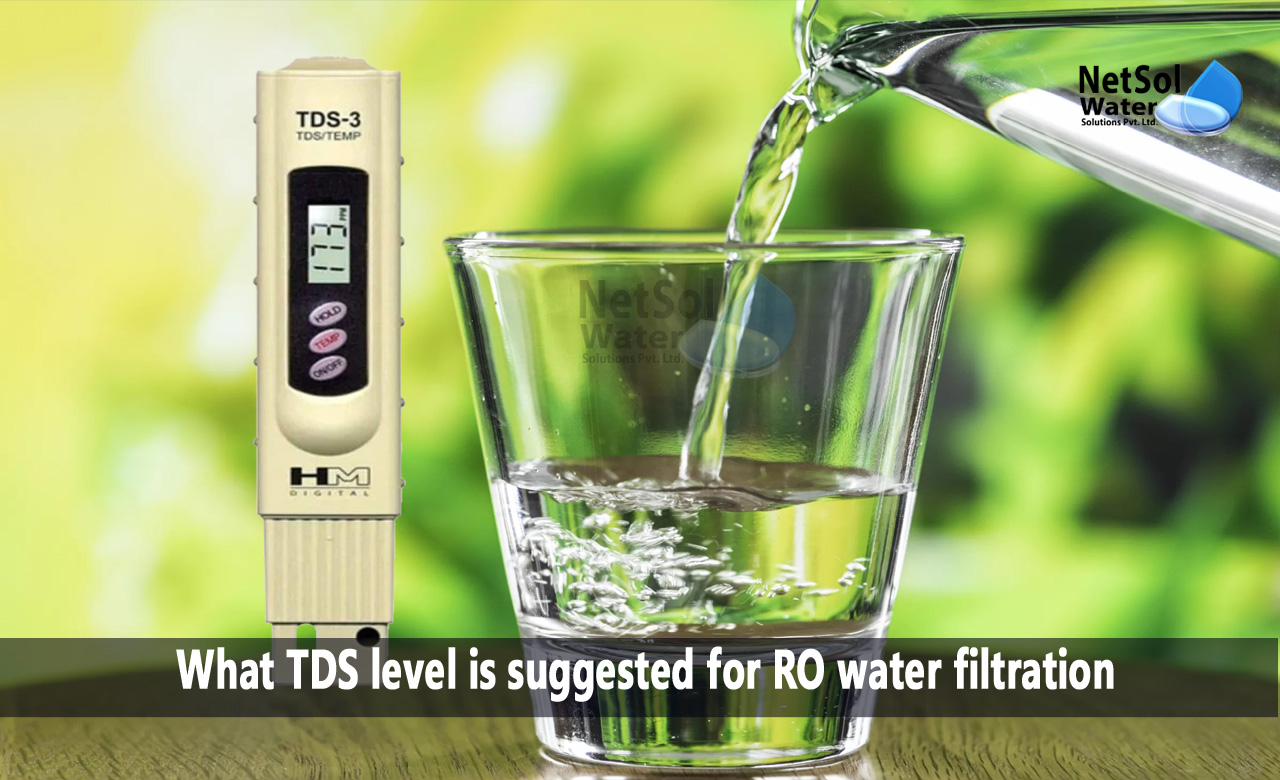 What TDS level is suggested for RO water filtration
Enter the heavyweights: Reverse Osmosis and Distillation
If you want to throw TDS out of the party entirely, you need a Reverse Osmosis (RO) system. Imagine shoving water through a membrane so tight that only water molecules can squeeze through—everything else gets left behind, screaming in salty frustration. RO systems can reduce TDS by 90–99%, turning your tap water into something a fancy bottled water company would package and charge $8 for.
Distillation is even more dramatic. You boil the water, catch the steam, and let it condense. It’s like giving your water a spa day where it sweats out all its impurities. The result is so pure it’s almost boring—scientifically, it’s called “dead water” because it has no minerals. But hey, you can always add a pinch of Himalayan salt for swagger.
But here’s the surprising fact that will blow your mind
Some people want a little TDS in their water. Yes, seriously. That mountain spring water you pay a fortune for? It has TDS. The crisp, refreshing taste? That’s TDS, baby. The water from a pristine stream might have 50–150 ppm of delicious minerals. Meanwhile, your office water cooler that tastes like a swimming pool? That’s low TDS—but with a ghost of chlorine.
 Water Purification Technology - RO, DI & Nano Filtration - Unger USA
So when you see a water filter advertisement bragging about “removing 99.9% of TDS,” ask yourself: Do I want to drink water that’s more boring than a lecture on paint drying? Because ultrapure water can actually leach minerals from your body if you chug it daily. It’s like inviting a polite vacuum cleaner to dinner—it’s pleasant, but it takes things you need.
Most home filters don’t even remove TDS. They target specific nasties. A carbon filter is a champ at taking out chlorine and bad tastes, but it will wave goodbye to TDS as it swims past. So if your water tastes minerally but safe, you might be fine. If it tastes like a swamp ghost, maybe look into RO.
The final verdict (and why you should care)
Here’s your cheat sheet: If your water has measurable TDS below 300 ppm and tastes okay, you probably don’t need to chase zero. If your water tastes like a dirty sock or you live in a place where the plumbing is older than your grandma, get it tested. A TDS meter costs $15 online—it’s the gossip columnist for your glass.
And if you decide to go full reverse osmosis, remember: drink a little mineral water on the side. Otherwise, you’ll be the only person at the party hydrating with something so clean it makes rain look dirty. Cheers to your now-educated taste buds!
