What Is The Carbonation In Soda

You know that perfect fizz when you crack open a can of soda on a hot afternoon? That sound, that little hiss, is basically a tiny explosion of happiness waiting to happen. It...
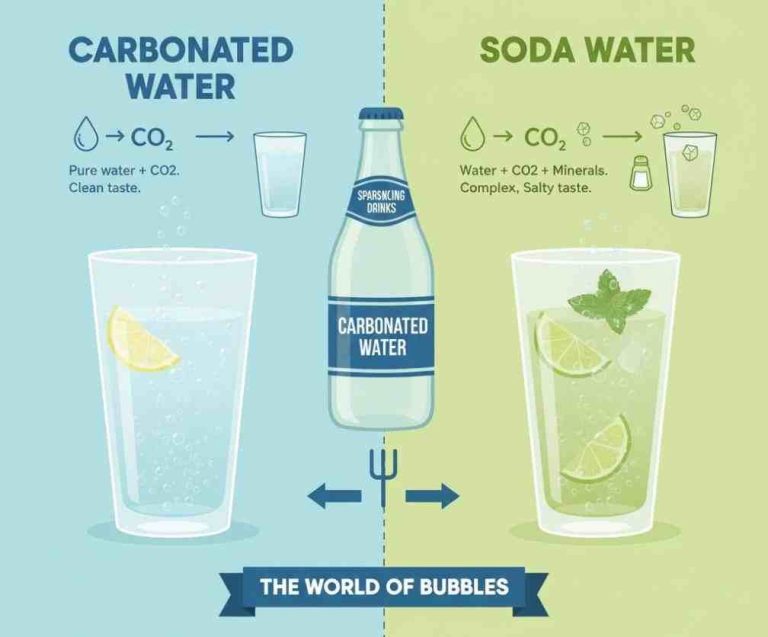
You know that perfect fizz when you crack open a can of soda on a hot afternoon? That sound, that little hiss, is basically a tiny explosion of happiness waiting to happen. It’s the carbonation, and it’s what makes soda so undeniably fun to drink. But have you ever stopped to wonder what that bubbly magic actually is?
Let’s be real: you don’t need a chemistry degree to enjoy it. Carbonation is simply carbon dioxide gas, the same stuff we breathe out, being forcibly dissolved into water under high pressure. Imagine trying to cram a bunch of extra people into a crowded elevator—eventually, someone has to get off. That’s exactly what happens when you open a bottle: the pressure drops, and the gas is like, “I’m outta here!”
Why Should You Care About Tiny Bubbles?
Because those bubbles change everything about how you taste the drink. That sharp, tingly sensation on your tongue isn’t just for show—it’s a physical sensation that makes your brain think the flavor is brighter and more intense. Think of it like adding a splash of lemon juice to a plain glass of water; it just wakes things up.
Must Read
Without carbonation, Coke would just be sweet, brown syrup water. Dr Pepper would be sad, flat prune juice. The fizz is the secret ingredient that turns a boring sugar-solution into a refreshment that feels like a celebration in your mouth.
And it’s not just about taste, either. Ever noticed how a big gulp of soda makes you feel fuller for a minute? That’s the gas expanding in your stomach. It’s why soda is often paired with greasy pizza or heavy burgers—that quick burp is your body’s way of saying, “I need some breathing room in here!”
A Little Story About Flat Soda (And Disappointment)
Remember that time you left a half-empty bottle of Sprite on the counter overnight? You took a hopeful sip the next morning, and all you got was a sad, syrupy ghost of its former self. That hollow feeling—that’s the absence of carbonation. It’s like a joke without a punchline, a party that ended early.
 How Is CO2 Added to Soda? - WestAir
That’s how important those bubbles are. They’re the personality of the drink. We don’t just crave the sugar or the flavor; we crave that specific, effervescent bite that only carbonated gas can provide. It’s why sparkling water has become such a huge thing, too—people love the ritual of the fizz, even without the sweeteners.
The Home Experiment You Can Try Right Now
Grab a fresh can of your favorite soda and pour it into a glass. Watch the bubbles race to the top. Now, take a teaspoon, put a little bit of salt on it, and drop it into the glass. Whoosh! It’ll erupt like a miniature volcano. That’s because the salt gives the gas a rough surface to cling to, forcing all that dissolved CO₂ to escape at once. Science is awesome, and it tastes like cola.
This little trick is also why you should never shake a soda bottle. You’re basically waking up the gas and making it fight to get out. Shake it, open it, and you get a fizzy mess all over your favorite shirt. Learn from my mistakes.
 Premium Photo | Capturing the dynamic effervescence Closeup of bubbles
Why We Pay More for the Fizz
Have you ever looked at the price of a can of soda versus a bottle of water? The soda costs more for the same amount of liquid. You’re not paying for the caramel color or the high-fructose syrup; you’re paying for the engineering that keeps that gas locked inside until you’re ready for it. It’s pressurized and cooled to perfection.
That first sip on a really hot day—when the ice is clinking and the bubbles dance on your lips—is a small, affordable luxury. It’s a moment of immediate gratification that only carbonation can deliver. It makes you feel alive, refreshed, and maybe a little bit like a kid again. And that’s something worth caring about.
So next time you hear that hiss, smile. You are about to enjoy one of the cleverest, most playful inventions of modern chemistry. It’s just gas and water, sure—but it’s also a tiny, bubbly miracle that turns a Tuesday afternoon into something a little more special. Cheers to the fizz.
