What Is Water Softener Salt For

Ever walked into a hardware store, spotted a giant bag of salt, and thought, “What on earth is that for?” You’re not alone. It looks like something you’d use to de-ice a drive...

Ever walked into a hardware store, spotted a giant bag of salt, and thought, “What on earth is that for?” You’re not alone. It looks like something you’d use to de-ice a driveway—or season a really, really big pretzel. But no, my friend, that bag holds the secret to happier showers, softer laundry, and even shinier dishes.
Let’s dive into the wonderful world of water softener salt. It’s not for drinking—please don’t put it in your lemonade. It’s the unsung hero of your home’s plumbing, fighting a daily battle against the invisible menace known as hard water.
What Exactly Is Hard Water?
Imagine your water is a tiny tour bus, and the passengers are minerals like calcium and magnesium. They’re not bad—they’re actually good for you to drink! But when they pile up in your pipes and appliances, they cause scale. That chalky white gunk on your faucet? That’s them. That dull film on your glassware? Yep, mineral party leftovers.
Must Read
Hard water makes your soap less bubbly and leaves your skin feeling tight and itchy. Your laundry comes out stiff, like cardboard. It’s a plumbing party nobody wants—until the salt shows up to kick the minerals out.
So, What Does the Salt Actually Do?
Here’s the fun part. Your water softener is a magical box that uses a process called ion exchange. Okay, that sounds boring, but stick with me. Inside the softener are little resin beads that are super clingy—they love grabbing onto magnesium and calcium ions as water rushes by.
But eventually, those beads get full. They need a bath! That’s where the salt (in the form of sodium or potassium chloride) comes in. When you pour salt into the softener’s brine tank, it creates a super-salty solution that flushes the minerals off the beads and sends them down the drain. The beads are refreshed, ready to snatch up more hard water villains. Think of it as a spa day for your water softener’s resin beads. You’re the spa manager!
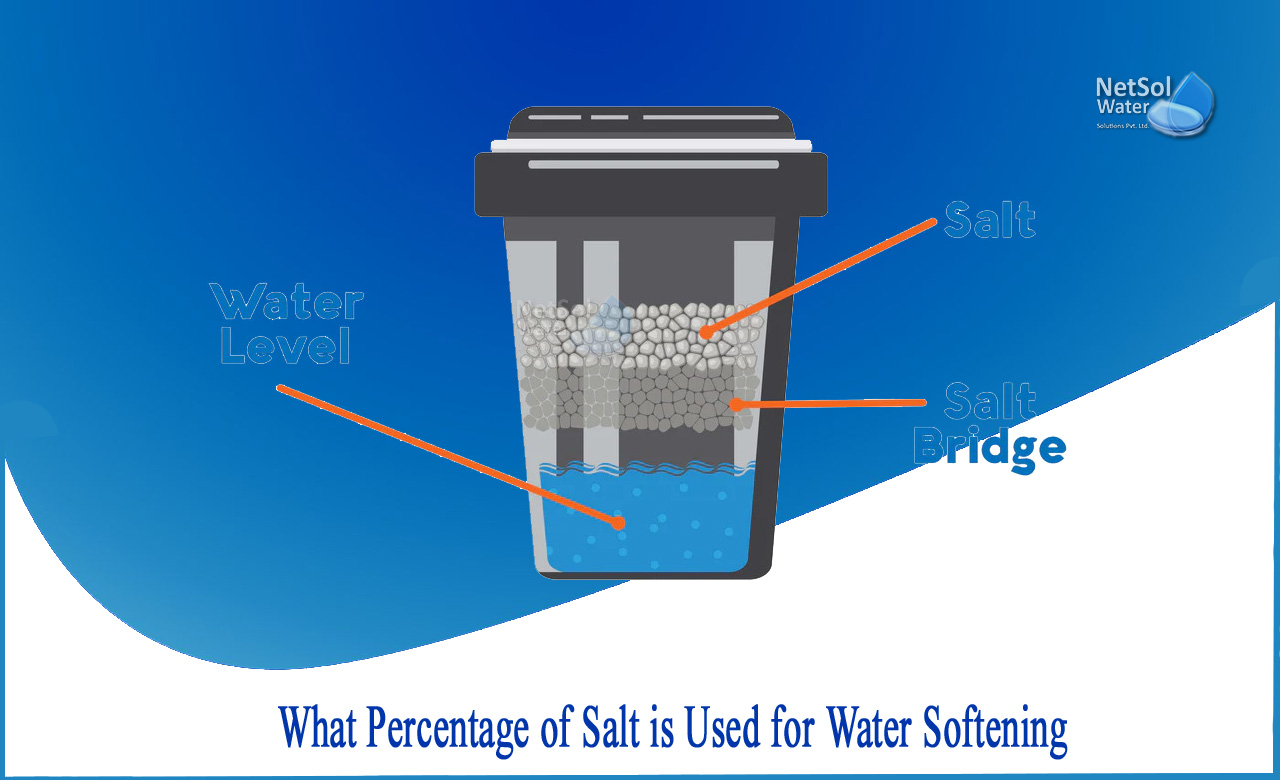 What percentage of salt is used for Water Softening
Why It Makes Life More Fun (Seriously)
Picture this: you step out of the shower and your skin feels smooth, not like you’re wearing a dry, itchy coat. Your shampoo lathers like a dream. You grab a glass from the cupboard, and it sparkles—no water spots, no film. That is the power of softened water, thanks to that humble bag of salt.
Your laundry? Softer, brighter, and your towels actually fluff instead of feeling like sandpaper. Even your dishwasher will thank you—no more crusty white buildup on the heating element. You’re not just buying salt; you’re buying sparkle, comfort, and a little less scrubbing. That’s a win in anyone’s book.
The “Salt” Isn’t Actually Salt
Okay, pause. The stuff you buy—solar salt, evaporated salt, rock salt—is not the same as table salt. It’s purer, with fewer additives, and designed specifically for your softener’s tank. Don’t raid your pantry’s Morton’s box. Your softener is a diva; it needs the right crystals.
And here’s a little secret: you don’t even need to taste it. The softened water still has a tiny amount of sodium, but it’s minimal—usually less than a slice of white bread. Your morning coffee won’t taste like ocean water. Promise.
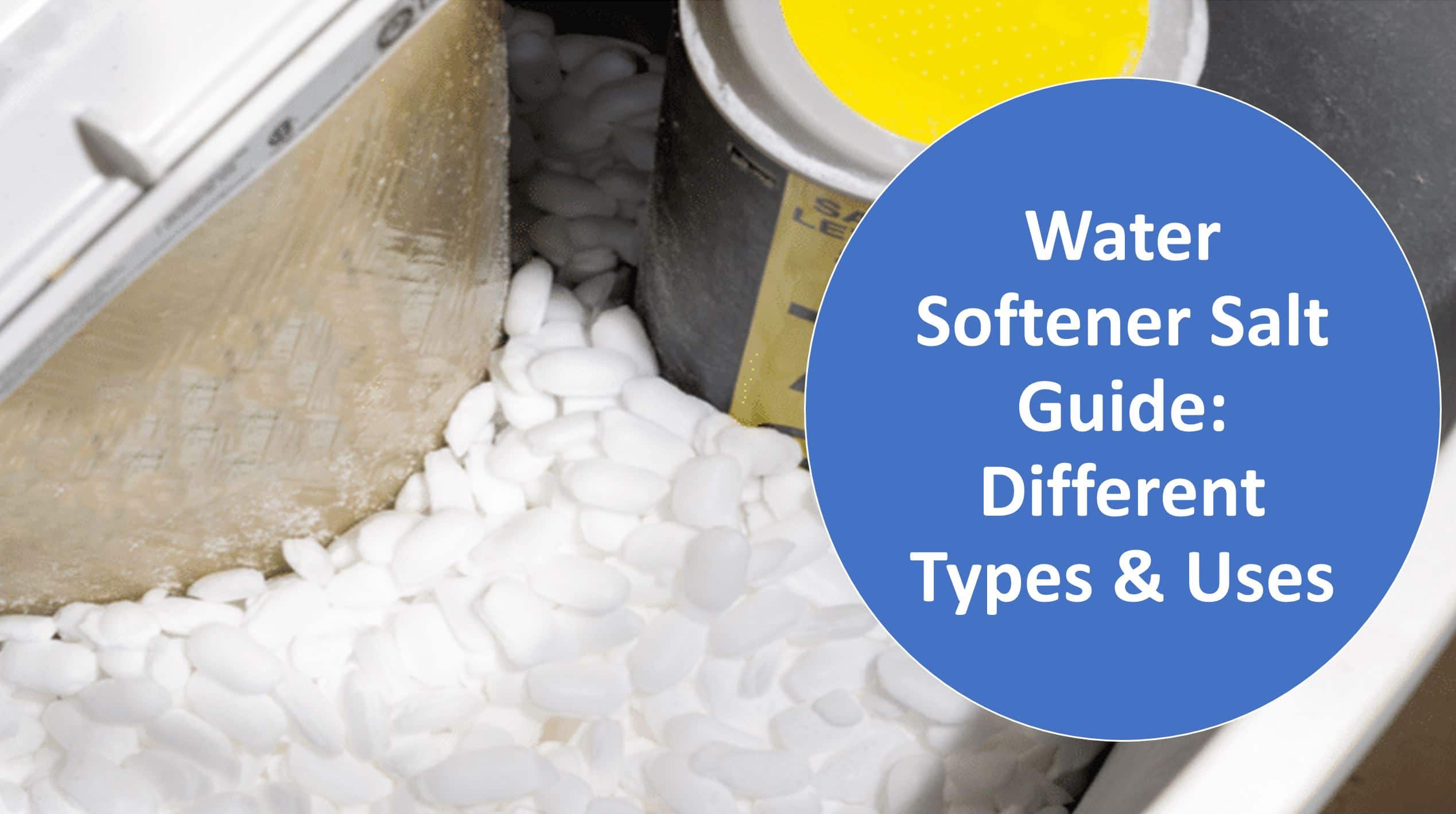 Different Types of Water Softener Salt & How to Choose - All For One
But Wait, There’s More!
Using water softener salt isn’t just about your comfort. It’s about your appliances. Hard water can shorten the life of your water heater, your washing machine, and even your coffee maker. Scale builds up inside them, making them work harder and use more energy. By using salt in your softener, you’re giving your appliances a longevity boost. That’s like getting a free extended warranty, but even better because it actually works.
You also save money on soap, detergent, and shampoos—because they work better without hard water interfering. Less product, more suds, more smiles. It’s a beautiful cycle.
The Uplifting Note
So next time you see that bag of salt at the store, give it a little wink. You’re looking at the key to silkier hair, fluffier towels, and a home that feels a little more like a spa. It’s simple science, a giant difference, and a tiny act of self-care for your whole house.
You don’t need a chemistry degree to be a water wizard. You just need a bag of salt, a softener that works, and a little curiosity. So go on—keep your resin beads happy, your pipes scale-free, and your spirit buoyant. Because life’s too short for cloudy glasses and itchy skin. Embrace the salt. You deserve the sparkle. Now go learn how your specific softener works—it’s easier than you think, and way more fun than scrubbing limescale.
