What Is Total Hardness Of Water

You know that feeling when you pour a fresh glass of water, and it just… looks at you? It’s clear, it’s wet, but something’s off. Maybe your soap refuses to lather into a nice...
You know that feeling when you pour a fresh glass of water, and it just… looks at you? It’s clear, it’s wet, but something’s off. Maybe your soap refuses to lather into a nice, bubbly cloud, instead leaving a slimy, sad film on your hands. Or perhaps your kettle has started looking like a miniature, calcite-covered cave. Congratulations, you’ve just met total hardness of water, the diva of domestic chemistry.
So, What the Heck Is It?
In plain English, total hardness is the measure of dissolved calcium and magnesium in your water. Think of it as water that has been on a mineral-collecting road trip, picking up souvenir rocks from the ground. It’s not dangerous—it’s actually healthy to drink—but it can be a total nuisance in your pipes, your laundry, and your morning shower. The harder the water, the more those minerals are just hanging out, waiting to cause trouble.
The “No Lather” Zone
Ever tried washing your hands with a bar of soap in a hotel, and it feels like you’re rubbing a wet brick on ice? That’s hard water wrestling with your soap. Instead of making suds, the minerals grab the soap molecules and form “soap scum”—that annoying ring around your bathtub. It’s like your soap is trying to make friends, but the calcium keeps stealing the conversation. So you end up using twice as much soap, and you still feel squeaky but not clean, like a dish that’s been rinsed but not washed.
Must Read
Kettle Drama
If you have hard water, your kettle is basically a slow-motion science experiment. Over time, the calcium and magnesium precipitate out as limescale, forming white, crusty flakes that look like alien snow. I once poured a cup of tea and saw a little white flake floating on top. I named him Gregory. We had a moment, then I poured him down the sink. It’s not harmful, but it’s like finding a surprise ingredient you didn’t order.
The Scale of Hardness
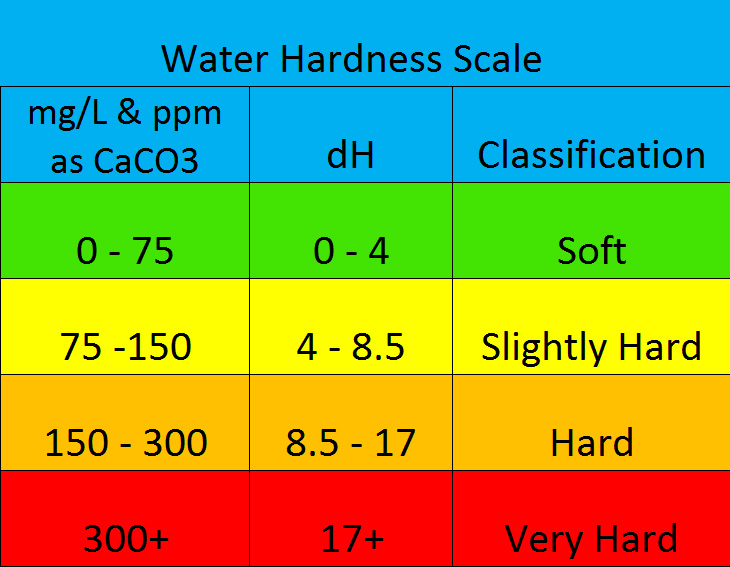
Water hardness is measured in grains per gallon (gpg) or milligrams per liter (mg/L). Here’s the cheat sheet: Soft water (0–3 gpg) is like a catered spa—suds, happy skin, no drama. Moderately hard (3–7 gpg) is where you start seeing limescale on your faucets, and your hair feels a bit like hay. Hard (7–10 gpg) is when your showerhead clogs up and you have to descal it with vinegar, feeling like a chemist in a bad comedy. Very hard (over 10 gpg) is the kind of water that turns your white socks gray and makes your washing machine sound like it’s gargling gravel.
 How To Convert Water Hardness Ppm To Gpg
Your Hair and Skin Rebellion
Hard water doesn’t rinse off soap completely, which leaves a micro-film on your skin. That’s why your face might feel tight and dry after washing, or your hair feels like straw. It’s literally mineral build-up, like plaque for your hair follicles. If you’ve ever used a clarifying shampoo and felt like a new person, you were basically fighting off a calcium army. And that annoying itch after a bath? Yep, often that’s hard water drying you out from the inside out.
Is There a Cure (Besides Moving)?
You don’t have to pack up and move to a soft-water paradise. The fix is called a water softener. These machines use a process called ion exchange—essentially swapping calcium and magnesium with sodium or potassium. It sounds like magic, but it’s just chemistry with a really good PR team. A softener gives you that slippery, almost silky feeling in the shower. It feels weird at first, like you haven’t rinsed off, but you get used to the luxury.
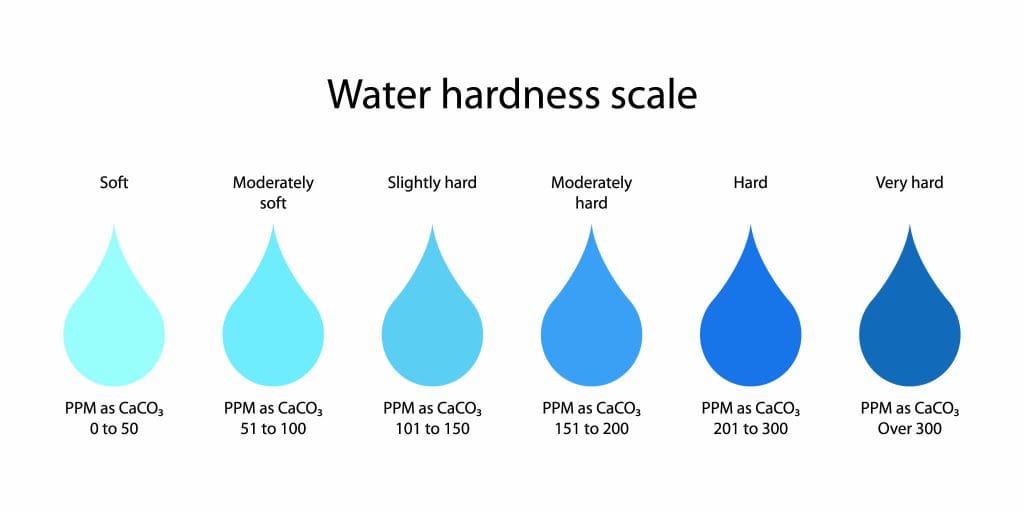 How To Tell If You Have Hard vs Soft Water: Differences Explained
No softener? No problem. You can use vinegar or citric acid to dissolve limescale. Boil a kettle with a splash of vinegar, and watch those flakes vanish like awkward relatives at a wedding. For laundry, a little borax or washing soda helps. And for your hair, an occasional apple cider vinegar rinse works wonders—just don’t use it on an empty stomach, or you’ll smell like a salad dressing accident.
The Bottom Line
Total hardness isn’t a monster—it’s just a mineral life coach who’s a bit too enthusiastic. It reminds you to clean your kettle, rethink your soap, and appreciate the simple joy of a lather that actually works. So next time you see that ring around the bathtub, give it a nod. It’s not personal. It’s just geology being way too involved in your plumbing.
And if you ever feel defeated, just remember: Gregory the limescale flake is gone, and your water is still perfectly safe to drink. That’s the real victory—even if your socks are a little gray.
