How To Get Rid Of Lime Build Up

Okay, friend, let’s talk about the enemy in your water. You know the one. That crusty, white, rock-hard stuff that makes your faucets look like they belong in a science experi...

Okay, friend, let’s talk about the enemy in your water. You know the one. That crusty, white, rock-hard stuff that makes your faucets look like they belong in a science experiment gone wrong. Yep, I’m talking about lime scale. It’s the villain of every clean kitchen and the reason your shower head suddenly has the water pressure of a sad drizzle. So, how do you kick this mineral menace to the curb without losing your mind? Grab your coffee, and let’s get into it.
The Usual Suspect: Why Your Water Acts Like a Jerk
First, a quick, painless science lesson. Lime build up is basically calcium carbonate throwing a party in your pipes. It happens when you have “hard water” – water loaded with minerals like calcium and magnesium. Think of it as nature’s way of leaving a bad souvenir everywhere.
But here’s the thing: you don’t need a chemistry degree to win this fight. You just need some common household items and a little bit of elbow grease. Are you ready to reclaim your shiny fixtures? I knew you were.
Must Read
The Holy Trinity of Lime Busters
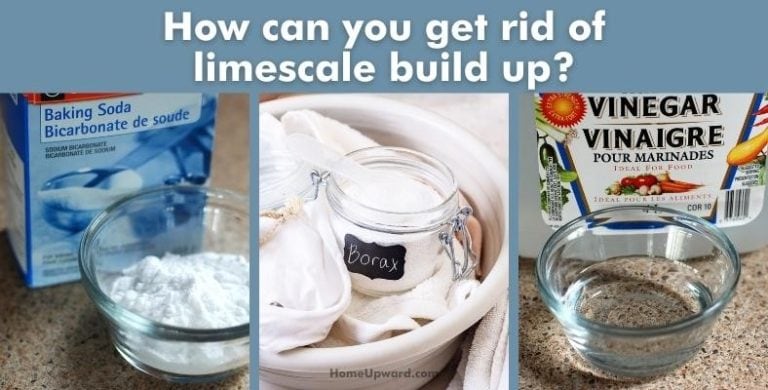
Your weapon of choice is almost always acid. Not the scary, lab-coat kind. I’m talking about the friendly acids you probably already have in your pantry. Vinegar is your MVP here. White distilled vinegar, to be exact. It’s cheap, it’s non-toxic, and it smells like a pickle factory for a hot second.
But don’t stop there. Lemon juice is your backup singer, and for the really tough gigs, citric acid powder is the headliner. You can find it in the canning aisle. It’s like a spa treatment for your kettle, but way more aggressive. Choose your fighter based on how stubborn your limescale is acting that day.
How To Wage War on Your Fixtures
Let’s start with the faucet aerator. That little screen on your tap is the first place lime throws a block party. Unscrew it (yep, you can do that). Soak it in a bowl of warm vinegar for about thirty minutes. You’ll literally see the chunks of white stuff floating away. It’s weirdly satisfying.
While that’s soaking, attack the faucet body itself. Soak a paper towel or an old rag in vinegar. Wrap it around the base like a tiny, sour scarf. Let it sit for fifteen minutes. When you unwrap it, the dull haze wipes right off. It’s like magic, but the magic is just chemistry and mild desperation.
 How To Remove Limescale From A Toilet & Below The Waterline
What about your shower head? Oh, that’s a classic. Fill a zip-top bag halfway with vinegar. Slip it over the shower head so the nozzle is completely submerged. Use a rubber band or a twist tie to hold it in place. Leave it for an hour or overnight if you’re feeling dramatic. Remove the bag, turn on the water, and watch the chunk storm rinse out. You’re welcome.
The Kettle & Coffee Maker: Saving Your Morning Brew
Nothing ruins a good cup of coffee like a floaty piece of calcium. For your electric kettle, just boil a mix of equal parts water and vinegar. Let it sit for fifteen minutes after it clicks off. Rinse it three times with fresh water. Boil plain water one more time and dump it. The faint vinegar smell will vanish, I swear!
For a coffee maker, run a full cycle with the vinegar-water mix. Then run it with two cycles of plain water. The first pot of coffee after this will taste slightly weird. The second pot will taste like freedom. Don’t skip that second rinse. Trust me on this one.
When The Lime Is a Crystal Fortress
Sometimes, you have really hard water. That build-up is thick, almost like a geological formation. In that case, vinegar might feel like you’re throwing a water balloon at a brick wall. Time to call in the big guns: gel-based limescale removers.
 Effective Methods To Dissolve And Remove Lime Buildup In Concrete
These are the heavy-duty chemical cleaners from the store. They’re thicker, so they stick to vertical surfaces. Use them sparingly because they smell strong. Always wear gloves and open a window. They are the ninjas of the cleaning world: effective, but you have to be careful with them. Use them only on the tough, crusty spots that laugh at vinegar.
Prevention: The Art of Being Lazy Later
Want to stop fighting this battle every month? Get a squeegee. I know, it sounds like a joke. But after every shower, take two seconds to run it over the glass and tiles. It removes the water droplets before they dry and leave their mineral ghosts. It’s the single most effective lazy habit you can adopt.
Another tip: consider a water softener. It’s a big purchase, but it removes those troublesome minerals entirely. Your pipes will thank you. Your skin will thank you. Your coffee maker will throw you a parade. It’s like putting your whole house on a mineral-free diet. Not glamorous, but the results are undeniable.
A Final Word (Before You Go Clean Everything)
So there you have it. You are now officially armed with the knowledge to fight the white stuff. You’ve got vinegar, you’ve got citrus, and you’ve got a new favorite word: “squeegee.” Go forth and make your faucets sparkle. Just don’t mix bleach with vinegar. That creates toxic gas. That’s the one time you should not experiment.
Now, go make a coffee. You’ve earned it. And this time, it will taste like victory, not minerals.
