How To Get Rust Out Of Clothing

You pulled your favorite white linen shirt from the depths of your closet, only to discover a small, orange-brown stain near the collar. Cue the internal scream. Before you de...

You pulled your favorite white linen shirt from the depths of your closet, only to discover a small, orange-brown stain near the collar. Cue the internal scream. Before you declare it a casualty of your last laundry cycle, take a breath. Rust on fabric is stubborn, but it is not immortal.
Rust stains are sneaky little devils, born from a chemical romance between metal and moisture. When a stray paperclip, a forgotten key, or even the metal button on your jeans oxidizes, it leaves an indelible mark on your threads. The good news? That bond can be broken with ingredients you probably already have in your kitchen.
The Lemon and Salt Method: Nature’s Bleach
This is the heavy lifter of rust removal, and it feels almost like a science experiment in your sink. Grab a fresh lemon and a generous sprinkle of table salt. The acid in the lemon juice acts as a gentle dissolving agent, while the salt acts as an abrasive to lift the stain.
Must Read
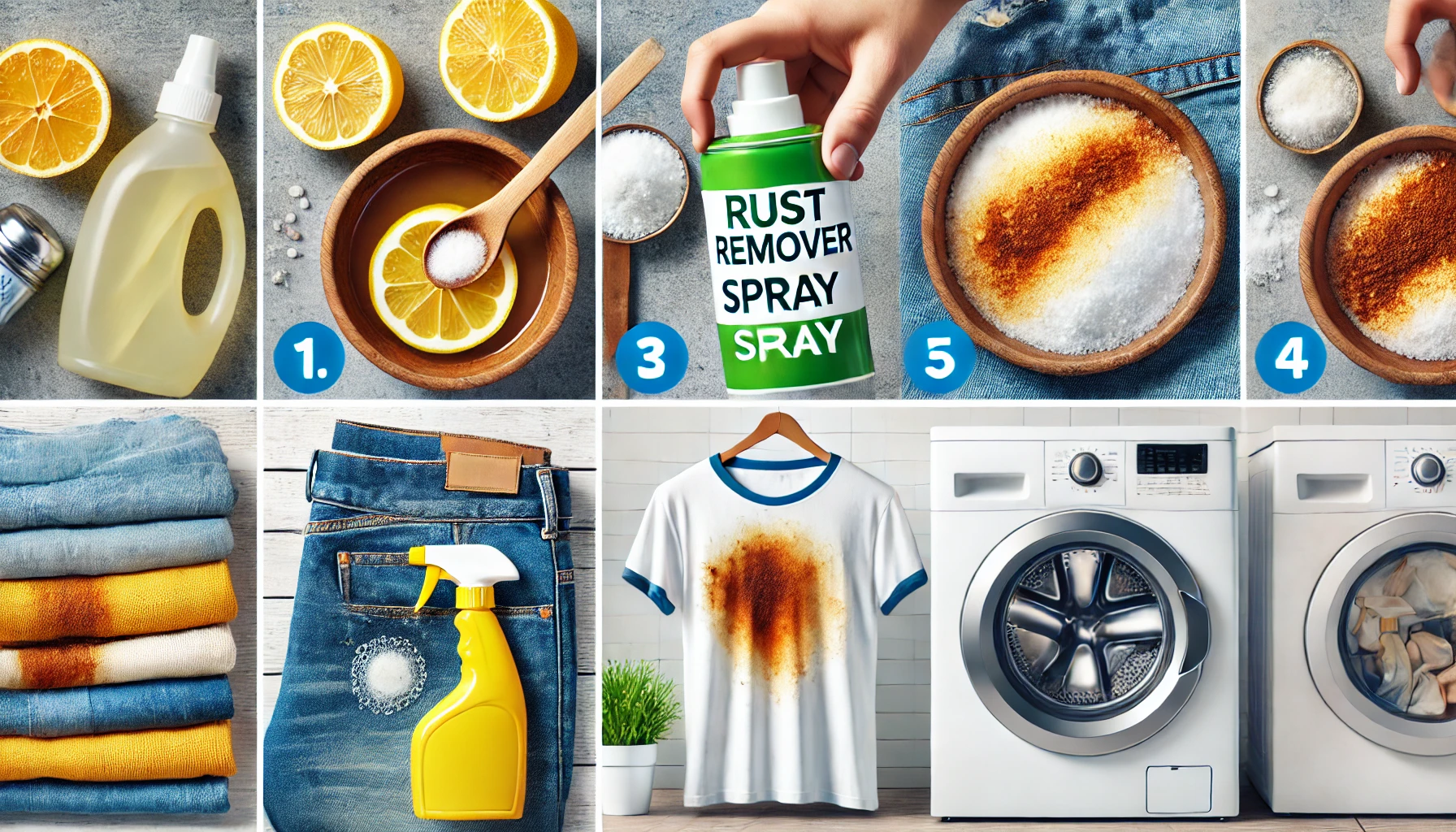
Here’s your move: lay the stained garment flat on a counter. Squeeze fresh lemon juice directly onto the rust, making sure the fabric is saturated. Then, liberally cover the wet spot with salt, rubbing it gently into the fibers.
Now, the waiting game begins. Place the item in direct sunlight for a few hours—the UV rays supercharge the chemical reaction. Pro tip: If it’s a rainy day, you can leave it for 30 minutes, but the sun is your best friend here. Afterward, rinse with cold water and launder as usual.
When Lemon Isn’t Enough: The Vinegar Soak
Sometimes, a tiny patch of rust requires a more aggressive strategy. Enter white vinegar, the pantry workhorse that also cleans coffee makers and removes wine stains. Mix one part white vinegar with one part water in a bowl or bucket.
Submerge the stained area completely, letting it soak for at least thirty minutes. Check the fabric every ten minutes to see if the stain is lifting. For heavy-duty rust, you might need an overnight soak—but be careful with delicate fabrics like silk or wool, as vinegar can be harsh.
After soaking, rinse the garment in cold water. If the stain persists, repeat the process or upgrade to the lemon-and-salt combo. Fun fact: The acetic acid in vinegar reacts with iron oxide (rust) to form a soluble compound that simply washes away.
 Rust In Clothes
The Cream of Tartar Hail Mary
If you’re a weekend baker, you probably have a jar of cream of tartar lurking in your spice cabinet. This powdery magic is a byproduct of winemaking and a surprisingly potent stain fighter. Mix a tablespoon of cream of tartar with enough hydrogen peroxide to form a thick paste.
Apply the paste directly to the rust stain with an old toothbrush, working it into the fabric. Let it sit for 15 to 20 minutes—long enough to break down the rust without damaging the fibers. Do not let it dry completely, as that can set the stain further.
Rinse thoroughly with cold water and toss the item in the wash. This method works wonders on cotton and synthetic blends, and it smells much nicer than vinegar. Cultural reference: This is the same trick clever tailors in 1960s New York used to save expensive silk shirts from sweat-stained collars.
The Dos and Don’ts You Must Memorize
First, the golden rule: never use chlorine bleach on a rust stain. Bleach actually reacts with iron molecules, turning a light stain into an irreversible, deep orange disaster. Stick to oxygen-based bleaches (like OxiClean) or the natural methods above.
Second, always test any solution on a hidden seam or hem before going full force. Some delicate fabrics—think rayon, acetate, or vintage linen—can warp or discolor under acidic treatments. A quick patch test saves you from a wardrobe meltdown.
Finally, treat rust stains as soon as possible. The longer the stain sits, the more tightly it bonds to the fabric fibers. A fresh stain from last week’s park bench is far easier to conquer than one from last season’s camping trip.
 How To Get Rust Out Of Clothes (step-by-step Guide) | TAFT Independent
The Coffee Filter Hack
Here’s a niche trick for stubborn stains on white cotton t-shirts or sheets. Brew a pot of strong black coffee—yes, really. Pour the hot coffee through a clean white cotton cloth (like an old t-shirt) to filter out any loose particles.
Then, soak the stained area in the warm coffee for about fifteen minutes. The tannins in coffee help to break down the rust’s grip. Weird but true: This works because both coffee and rust contain acidic compounds that, when combined, can neutralize each other.
Rinse immediately with cold water and launder as normal. Your garment will smell like a hipster café, but the rust will be a ghost of the past. If the smell bothers you, a quick vinegar rinse in the wash cycle will handle it.
When to Call It: The Fabric’s Fate
Sometimes, despite your best efforts, the rust wins. Heavy oxidation on thin, delicate fabrics like linen or silk may leave a faint shadow that no amount of lemon or vinegar can erase. In that case, consider a creative cover-up.
You can embroider over the spot, add a fun patch, or even dye the entire garment a darker shade. Rust stains are not a death sentence; they’re an opportunity for personalization. Reflection: Much like the little stains of daily life, these marks don’t have to define the whole piece.
After all, clothes are meant to be lived in, not preserved in a museum. A little rust, a little life—it’s all part of the story. So, grab that lemon, roll up your sleeves, and show that stain who’s boss.
