How To Test For Copper In Water

Okay, so you’re worried about copper in your water. Maybe your pipes are old, or that fancy new kettle has a weird blue ring around the heating element. Don’t panic! We’re abo...
Okay, so you’re worried about copper in your water. Maybe your pipes are old, or that fancy new kettle has a weird blue ring around the heating element. Don’t panic! We’re about to turn you into a water detective, and it’s way more fun than it sounds.
First, let’s get real: a tiny bit of copper is actually good for you. Your body needs it like it needs that first sip of coffee in the morning. But too much? That’s when things get gross—think stomach cramps or that metallic taste that makes you grimace.
So, how do you know if your water is secretly running an Olympic swim team of copper ions? You have two main paths: the fancy science route or the kitchen-counter quick fix. Let’s start with the easy one because I know you’re impatient.
Must Read
The Quick And Dirty: Home Test Kits
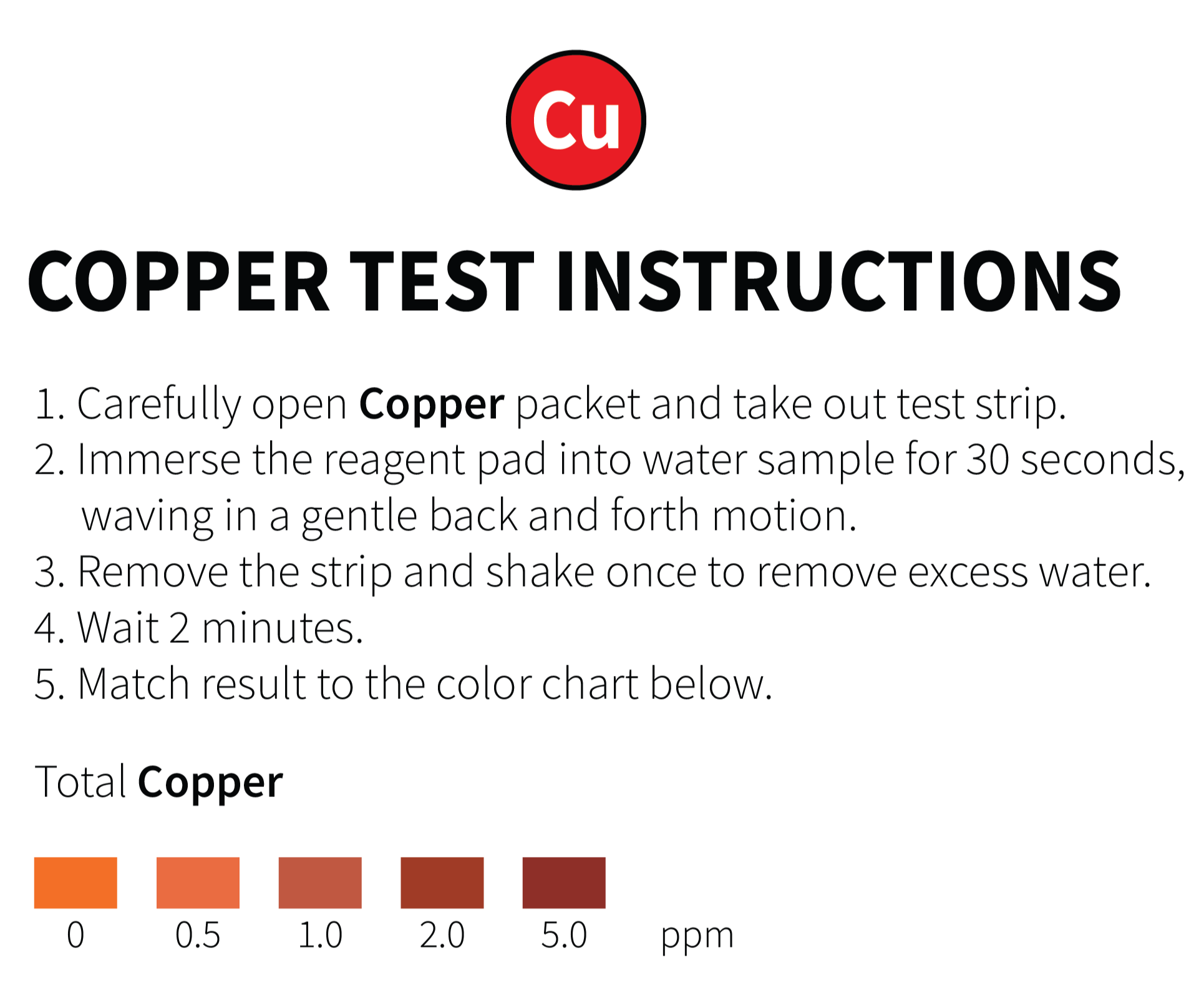
Go buy a home water test kit. Seriously, they cost about the price of a fancy sandwich. You can find them at hardware stores, big-box retailers, or online—just search for “copper test strips.”
These are like pregnancy tests, but for plumbing. You dip a strip into a glass of cold water, wait a few seconds, and compare the color to a chart. Pro tip: use cold water. Hot water pulls more copper from pipes, and you want to know what you’re actually drinking.
If the strip turns a deep, angry blue or purple, you’ve got a copper party happening. If it stays pale pink or clear, you’re probably fine. But wait—these kits aren’t perfect. They’ll tell you “yes” or “no,” but not the exact number.
When The Strip Says Nope, But You’re Still Suspicious
Maybe your strip looked fine, but your water tastes like you licked a penny. Or your blonde hair has a greenish tint (which is, admittedly, a bold look). That’s when you need precision.
Your next step is a lab test. I know, it sounds intimidating, but it’s just mailing a water sample in a plastic tube. Companies like Tap Score or SimpleLab will send you a kit. You fill it up, ship it off, and wait a week for a nerdy report.
This will tell you the exact concentration—parts per million (ppm). The EPA says anything under 1.3 ppm is safe. Above that? You’ve got a problem, my friend.
How To Collect Your Sample Like A Total Pro
Don’t just grab water from the tap while you’re half asleep. You have to be deliberate, like a scientist who hasn’t had enough caffeine. First, let the water run cold for about one minute. This flushes out the stale stuff sitting in the pipes overnight.
 Are Copper Pipes Safe? Expert Guide | Ocean Plumbing and Air
Then, fill a clean glass or the container from your test kit. Don’t let it splash, don’t touch the inside, and don’t test after you’ve run the dishwasher. That’s bad data, and bad data leads to bad decisions.
Also, test the water first thing in the morning. Why? Because water that sat in pipes all night will have the highest copper level. If that’s fine, you’re golden. If it’s high, you’ll know you need to flush your pipes before drinking.
What If The Results Are High? Don’t Freak Out Yet
Okay, let’s say your test shows high copper. Or your lab result screams “1.8 ppm!” First, take a breath. You’re not going to turn into a copper statue. Usually, the fix is stupidly simple: run the tap for 30 seconds before you drink or cook.
That little rinse pushes out the copper-laced water and brings in fresh, low-copper water from the street. If that doesn’t fix it, you might need a water softener or a reverse osmosis system under your sink. Those are pricier, but they work like a charm.
And if you really want to geek out? Check the pH of your water. Acidic water (pH below 6.5) eats copper pipes alive, like a gremlin after midnight. If that’s your issue, a simple neutralizing filter can save your plumbing and your taste buds.
The Gross Visual Clues You Shouldn’t Ignore
Before you even buy a test kit, look at your water. Seriously. Hold a clear glass up to the light. See any blue-green stains in the sink or toilet bowl? That’s oxidation, the direct cousin of copper contamination.
Does the water have a metallic tang? That’s copper’s calling card. Or does it leave dark reddish-brown spots on white laundry? That could be iron, but it’s worth checking for copper too.
 Home Water Testing for City, Well, or Rainwater | BlueBarrel
You can also do the toothpaste trick: put a dab of white toothpaste on a dark cloth and rub a pipe joint. If the toothpaste turns pink, you’ve got copper. Yes, this is a real thing, and no, I didn’t make it up.
When To Call In The Cavalry
If your home tests are borderline, or you’re just not trusting a dipstick that looks like a 1980s urine test, call a plumber. Better yet, call a water quality expert who can run a full panel. They’ll test for lead, copper, bacteria, and all the fun stuff.
Irony alert: sometimes the fix for high copper is old pipes. If your house was built before 1930, you might have copper pipes that are corroding. Or you might have brass fixtures that are leaching. A pro can tell you which.
And hey, if you’re lazy? Just buy a filter pitcher that removes copper. They’re cheap, they work, and you don’t have to become a chemist. Brita? Pur? Check the box. Not all remove copper, but some do. Reading the fine print is your new hobby.
The Final Sip
Testing for copper isn’t rocket science. It’s more like making toast—easy but worth monitoring. You dip a strip, you look at stains, or you pay a lab twelve bucks. That’s it.
Now, go test your water. I’ll be here, sipping my coffee, waiting for your update. And for the love of good hydration, don’t drink the blue-tinged stuff. That’s for science experiments, not your kidneys.
You’ve got this. Your copper level is low, your stress is high, and your water is about to get a whole lot clearer.
