How To Filter Out Microplastics

Let’s be real for a second. Microplastics are the uninvited guests at the dinner party of modern life. They’re in the air we breathe, the rain that falls, and yes, the tap wat...

Let’s be real for a second. Microplastics are the uninvited guests at the dinner party of modern life. They’re in the air we breathe, the rain that falls, and yes, the tap water we drink.
But before you start spiraling into a doom-scroll panic, take a breath. The good news? You don’t have to build a lab-grade filtration system in your kitchen sink to make a real difference. We’re going to keep this easy, effective, and almost… fun.
The Dashboard Light Moment
Think of microplastics like the Check Engine light on your car. Ignoring it won't make it go away, but a few smart moves can keep your engine humming. A 2019 study from the World Health Organization dropped the bombshell that we’re likely ingesting a credit card’s worth of plastic every week. Yeah, you read that right.
Must Read
The worst offenders? Single-use plastic bottles are a major source, and not just from the bottle itself but from the microscopic wear and tear during transport. The bigger picture is daunting, but your personal actions? That’s your power play.
Step 1: The Water Game (Your MVP Move)
Let’s start with the most obvious culprit: the water you chug every day. Ditching plastic bottles for a reusable stainless steel or glass bottle is the single biggest win you can achieve today. It’s like swapping a raggedy old t-shirt for a cashmere sweater—immediate upgrade.
The Brita isn't a miracle worker.
Standard pitcher filters are great for taste and chlorine, but they are terrible at catching the tiny stuff. Microplastics are often smaller than 100 microns, and most basic carbon filters have pore sizes closer to 500 microns. You need to look for a filter with a pore size of 1 micron or less.
Enter the hero of the hour: the countertop gravity filter or an under-sink reverse osmosis system. These are the big guns. A good one can remove up to 99% of microplastics, plus lead and other heavy metals. Yes, it’s an investment, but so is a good espresso machine—and this one cleans your blood, not your coffee.
Fun fact: A single synthetic fleece jacket can release up to 250,000 microfibers in one wash. That’s the equivalent of a plastic shopping bag dumped into the water system every time you do laundry. Suddenly, your water filter feels less optional and more like a survival tool.
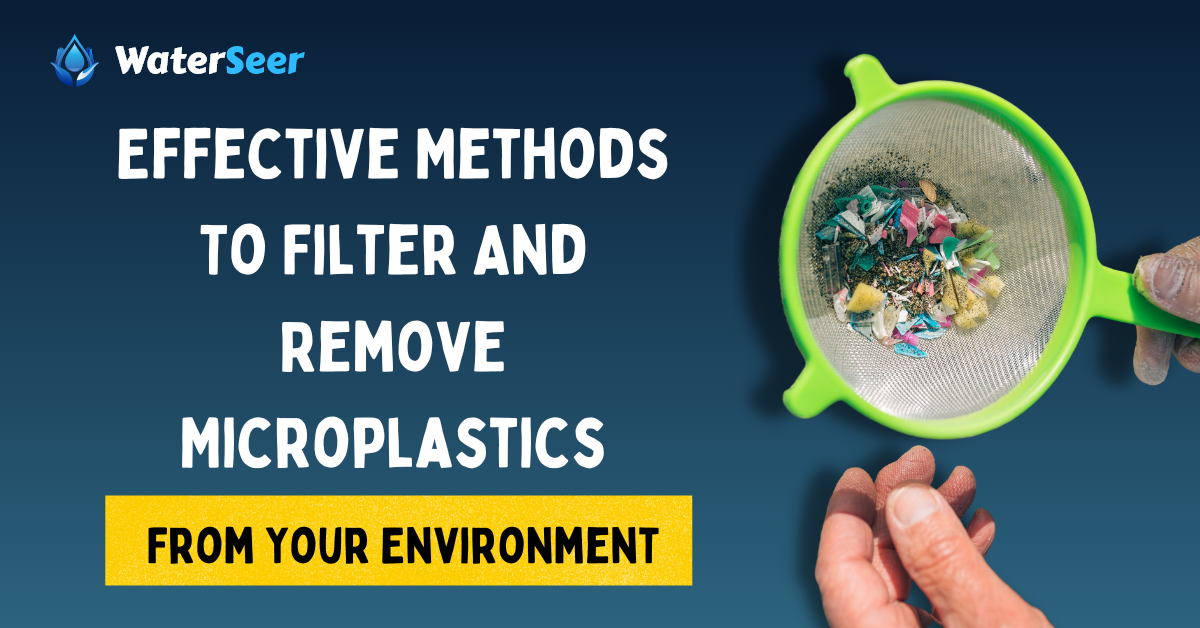 Will A Brita Filter Remove Microplastics at Jeremy Tellez blog
Step 2: The Kitchen Counter Hack
Listen, you don’t need to become a water chemist overnight. A simple, low-tech solution exists that costs less than a fancy latte. It’s called a glass water bottle with a built-in stainless steel mesh filter.
These little beauties act like a bouncer for plastic. The mesh is fine enough to catch most microplastics, and they’re portable. Fill it up at any tap, shake it, and you’re good. It’s the commute-friendly equivalent of a personal bodyguard for your hydration.
Step 3: The Kitchen Fan-Favorite
If you’re cooking at home—and you should be, because cooking is a love letter to yourself—there’s another trick. Rinse your rice, beans, and grains thoroughly before cooking. Studies have found that rinsing can remove up to 20% of microplastics that cling to produce during packaging.
Also, give your cutting boards a side-eye. Those gorgeous wooden boards are the OG. Swap your worn-down plastic cutting board for a bamboo or solid wood one. Every time you chop a carrot on plastic, you’re shaving off a little plastic dinner for your cells. Not cute.
Step 4: The Air You Don’t See
Here’s a curveball: microplastics are airborne. They float like tiny, invisible gnats in your living room. The solution? A HEPA air purifier in your bedroom or main living area. It’s the same tech used in hospitals.
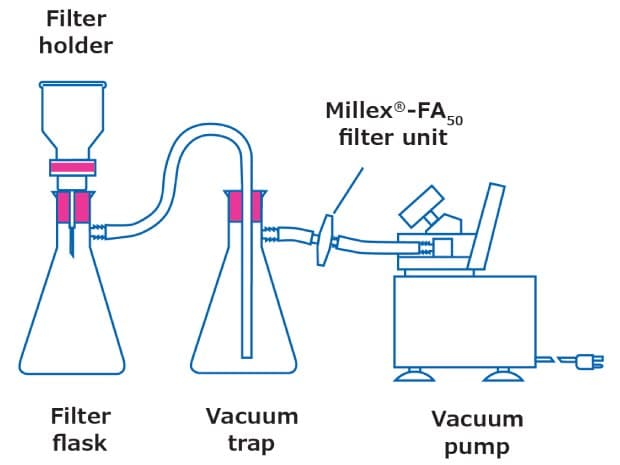 Membrane Filters for Microplastics Analysis
And while you’re at it, dust and vacuum more often with a HEPA-filtered vacuum. Dust is a major microplastic collection zone. Think of it as spring cleaning that actually matters. A 2020 study from the University of Portsmouth found that household dust accounts for a significant chunk of your daily microplastic intake.
The Cultural Connection
Remember that scene in Legally Blonde where Elle Woods lectures the jury about perm solutions? That’s you, but with microplastics. You become the expert in your own life, thoughtfully assembling a solution that fits your vibe. You don’t need to be a crunchy, off-grid survivalist. You can be a chic, informed human who happens to filter their water like a pro.
Even Beyoncé has been spotted with her giant glass water bottle. Coincidence? We think not. It’s the wellness accessory of the decade.
The Bottom Line (and a little philosophy)
Here’s the thing: you cannot filter out every single piece of plastic from your life. That would be like trying to scoop all the foam off a cappuccino with a teaspoon. But you don’t need perfection; you need progress.
Every time you choose a glass bottle over a plastic one, every time you run that HEPA filter, you are casting a vote for the world you want to live in. It’s not about paranoia; it’s about curiosity and a little bit of fancy engineering. You are reclaiming your cup of tea from the plastic age.
And when you sip that filtered water, you’re not just hydrating. You’re saying, “I see you, tiny plastic specks, and you are not welcome here.” Now go drink some clean water and feel like the thoughtful, resilient human you are.
