How To Remove Sulfur From Water

You know that smell. It hits you the moment you turn on the tap—like a hard-boiled egg left out in the sun, or a sulfurous whisper from the underworld. That’s hydrogen sulfide...

You know that smell. It hits you the moment you turn on the tap—like a hard-boiled egg left out in the sun, or a sulfurous whisper from the underworld. That’s hydrogen sulfide gas, the not-so-charming guest in your well water. It’s not just an olfactory offense; it can stain your sinks, make your coffee taste like a chemistry experiment, and generally disrupt your chill morning routine.
But fear not. Removing sulfur from water is less about wrestling with a dragon and more about choosing the right tool for the job. It’s a home improvement project your nose will thank you for—and honestly, it’s easier than you think. Let’s dive into the clear, clean solution (pun intended).
The Usual Suspects: Where Does the Smell Come From?
Most household sulfur comes from hydrogen sulfide gas, created when bacteria munches on decaying organic matter in groundwater. Think of it as nature’s flatulence, trapped in your aquifer. It’s harmless in small amounts, but your nose knows no mercy.
Must Read
Fun fact: In some volcanic hot springs, that same sulfur is considered therapeutic. In your bathroom? Not so much. The smell is actually a sign of low oxygen levels in the water, which is why it’s more common in deep wells than in city supplies.
Step 1: Diagnose Your Water (Before You Buy Anything)
Before you drop cash on a fancy filter, do the “smell and run” test. Turn on the cold tap—if the smell vanishes after a few seconds, the sulfur is likely reacting with your water heater’s anode rod. This is a classic case of “rods gone wild.”
But if the stench sticks around, the sulfur is coming from your well itself. Grab a glass of water, let it sit for an hour, and see if the smell fades. If it does, you’re dealing with dissolved gas that escapes over time. Know your enemy—that’s the first win.
The Big Three: Removal Methods for Every Vibe
Option 1: The Mellow Fix—Activated Carbon Filters
If your sulfur levels are low (think occasional whiff, not olfactory assault), an activated carbon filter is your laid-back buddy. It’s like a sponge for bad smells, absorbing those sulfur molecules before they reach your glass. Install it under the sink or as a whole-house unit.
Pro tip: Change the carbon cartridge every six months. Old carbon becomes a breeding ground for—you guessed it—more bacteria. Fresh carbon, fresh breath. It’s the low-effort, high-reward solution for mild cases.
 Removing Sulphur from Well Water: Your Guide to Odor-Free, Clean Water
Option 2: The Air Stripper—For the Tech Enthusiast
This method is like giving your water a deep breath. An air stripper injects oxygen into the water, which literally oxidizes the sulfur gas, turning it into harmless sulfate. It’s a bit of a gadget—think Rube Goldberg meets plumbing—but incredibly effective.
Fun fact: Sulfur oxidation is the same process that happens when you aerate wine to remove its “reduced” smell. Your water deserves the same love. The system can look like a small tank with a vent, and it’s perfect for medium sulfur levels.
Option 3: The Heavy Hitter—Chlorine Injection or Ozone
When the smell is so strong it wakes the neighbors, you bring out the big guns. Chlorine injection kills the sulfur-producing bacteria and oxidizes the gas on contact. It’s the nuclear option, but it works like a charm. Ozone systems are the eco-chic alternative—they use electricity to create a powerful oxidizer without chemicals.
Both require professional installation and maintenance. Think of it as hiring a plumber with a chemistry degree. The payoff? Water that smells like nothing, which is actually the best smell in the world.
Practical Tips for the DIY Soul
First, always test your water for bacteria before picking a method. Safety first, style second. A $20 test kit saves you from guessing wrong and buying the wrong filter. Second, if you’re on a budget, start with a point-of-use carbon filter for just the kitchen tap. Your morning coffee will thank you.
Another quick win: Flush your water heater annually. Sediment buildup can trap sulfur-loving bacteria. A simple drain and fill keeps the tank happy and the smells away. It’s like spring cleaning for your pipes—low effort, surprising payoff.
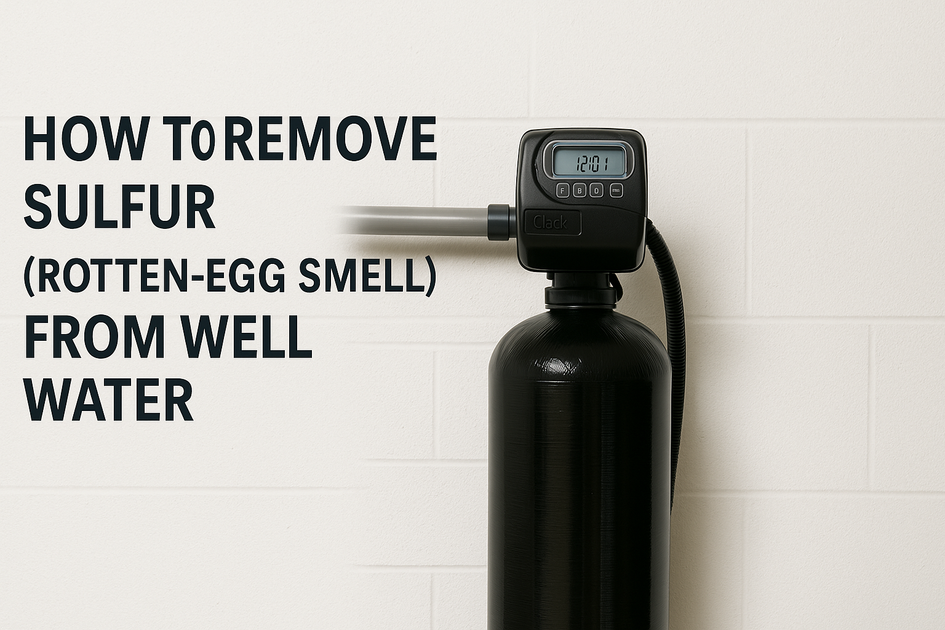 🌊 How to Remove Sulfur (Rotten-Egg Smell) from Well Water | EcoFilter
Cultural Shout-Out: The Sulfur You Actually Like
Let’s not forget that sulfur is a star in other places. The mineral springs of Rotorua, New Zealand, smell like a thousand eggs, but people travel across the world for their therapeutic powers. In Japan, onsen baths with sulfur water are considered rejuvenating.
The difference? It’s a choice, not a surprise. In your home, you deserve control over the ambiance. Save the sulfur smells for vacation—keep your kitchen neutral.
One Last Detail: The Taste Factor
Sulfur doesn’t just stink; it can make your water taste metallic or flat. Removing it does more than clear the air—it lifts the flavor of everything you cook. Pasta, rice, even ice cubes will taste noticeably fresher. It’s a quiet upgrade to your daily life.
If you’re a tea drinker, this is non-negotiable. No Earl Grey should ever whisper “rotten egg.” Invest in your brew.
A Short Reflection on Clean Water and Clean Living
We spend so much time curating our spaces—the perfect candle, the softest towels—but often forget the water flowing through our walls. Removing sulfur isn’t about engineering; it’s about respecting the simple moments. A clear glass of water, first thing in the morning, without a grimace. That’s a small luxury worth chasing.
So take the test, pick your method, and let your tap run clear. Your nose, your taste buds, and your morning coffee will all agree: You’ve got this.
