Why Water Quality Is Important

We often obsess over the perfect oat milk latte, the ideal kombucha, or the exact temperature for a pour-over coffee. Yet, we routinely ignore the star of the show: the water...
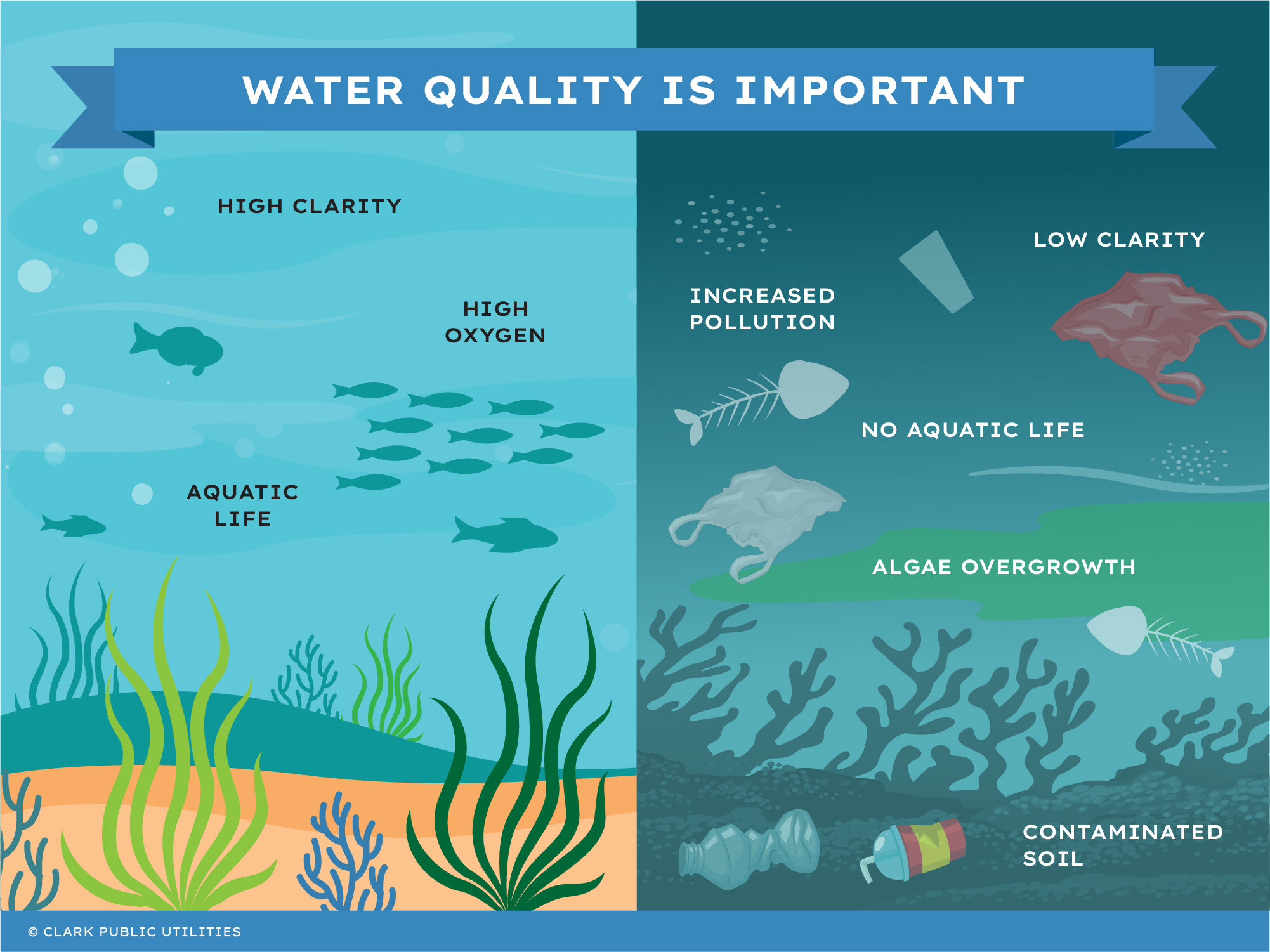
We often obsess over the perfect oat milk latte, the ideal kombucha, or the exact temperature for a pour-over coffee. Yet, we routinely ignore the star of the show: the water itself. It’s the invisible foundation for every sip, every meal, and every cell in your body.
In our modern world of convenience, water quality is the quiet difference between feeling “fine” and feeling truly vibrant. It’s not just about H₂O; it’s about what’s hiding in the glass. Let’s dive into why your tap water deserves a little more of your attention—and a lot more of your respect.
The Hidden Cocktail in Your Glass
Think of water as a conductor. High-quality water carries minerals like calcium and magnesium that help your body run its electrical symphony—from nerve signals to muscle contractions. When that conductor is polluted, the whole band plays off-key.
Must Read
Sadly, many municipal supplies can contain trace amounts of chlorine, heavy metals, or even microplastics. These aren’t just buzzwords; they’re tiny, invisible guests that can quietly disrupt your energy, skin clarity, and digestion. As the great French writer Antoine de Saint-Exupéry once said, “Water, you are the greatest wealth of the world.” He wasn’t wrong—but he assumed we’d keep it clean.
A 2019 study from the National Resources Defense Council found that contaminants like lead and arsenic still appear in thousands of U.S. water systems. That’s not a scare tactic; it’s a call to know your source.
Your Body’s First Filter
Your body is about 60% water, but it’s not a passive container. Your liver and kidneys are the real MVPs—they work every second to filter out junk. But when you consistently drink subpar water, you’re forcing your body to be a full-time cleaning crew.
Think of it like this: cheap water is like feeding your luxury car low-grade fuel. Sure, it runs, but the engine feels the drag. Over time, that can show up as brain fog, dry skin, or even a sluggish metabolism.
A simple shift to filtered water can lighten your internal load. You’ll notice better hydration, fewer headaches, and a certain clarity that’s hard to describe—but you’ll feel it by Tuesday afternoon.
The Ice Cube Test
Here’s a fun little fact: cloudy ice cubes from your freezer often indicate trapped impurities or dissolved gases. If your cubes look like tiny snow globes, it’s a clue. Conversely, clear cubes usually mean your water is free of excess minerals and pollutants.
 Why Is Quality Important In Water at Beverly Marone blog
This is why top bartenders use filtered water for their famous cocktails. They know that the ratio of water to alcohol isn’t the only secret—it’s the quality of the water that makes a Manhattan taste smooth instead of sharp.
Life’s Little Luxury: The Right Filter
Improving your water quality doesn’t require a PhD in chemistry. Start small: a countertop carbon filter costs less than a nice dinner out. It removes chlorine, improves taste, and keeps your morning coffee from tasting like a swimming pool.
For the ambitious, a reverse osmosis system under your sink is like giving your water a spa day. It strips out almost everything—including lead, fluoride, and even some pharmaceutical residues. Just remember to re-mineralize with a pinch of pink salt or a mineral cartridge.
And if you’re a bottle-water enthusiast, choose glass over plastic. Plastic bottles can leach BPA into your water, especially after sitting in a hot car. Plus, glass looks better on your nightstand—very slow living, very chic.
Cultural Sips and Global Wisdom
In Japan, Mizu no kokoro (the spirit of water) is a concept that ties water quality to mental clarity. Traditional tea masters insist on soft, low-mineral water to let the tea leaf speak. In Norway, tap water is considered purer than most bottled brands—so much so that locals laugh at the idea of buying a plastic bottle.
Meanwhile, in Greece, the ancient Spartans tested their water by throwing a coin into it. If the coin tarnished, they moved camps. Take a lesson from history: if your water leaves a metallic smell or stains your sink, it’s time to investigate.
 PPT - Water Treatment Plant PowerPoint Presentation, free download - ID
Practical Tips for Everyday Excellence
Want to upgrade your water game without a huge overhaul? Here are three easy wins:
1. Run your tap for 10 seconds before drinking first thing in the morning. Stagnant water sitting in pipes can leach more lead overnight.
2. Add a slice of lemon or cucumber—not just for flavor. The citrus acidity helps alkalize your body while the cucumber provides hydrating electrolytes. Bonus: it looks like a spa picture.
3. Wash your reusable bottle daily with hot water and a drop of soap. A dirty bottle grows bacteria faster than you can say “refill.” Your water deserves a clean home.
A Short Reflection for Your Daily Life
Water quality isn’t about perfection; it’s about presence. Every time you take a sip, you’re inviting something into your body—something that has traveled through pipes, earth, and time. Make sure that invitation is a kind one.
Tomorrow morning, before you grab your phone, pour a glass of clean water. Look at it. Notice its clarity. This is your first act of self-care. Not because it’s complicated, but because you respect the foundation of your life.
After all, you are what you drink. So drink like you mean it.
