Why Can't You Drink Rain Water

So, you’re standing outside in a summer downpour, watching the sky turn into a free water delivery service. And a little voice in your head whispers, “Hey, that’s perfectly go...

So, you’re standing outside in a summer downpour, watching the sky turn into a free water delivery service. And a little voice in your head whispers, “Hey, that’s perfectly good water—why not catch some?” It’s a genius idea on the surface, like finding a twenty-dollar bill in your winter coat. But then reality—and science—shows up with a raincoat and a stern look.
The honest answer? You can drink rainwater in theory, but in practice, it’s a gamble. Rain isn’t born dirty; it’s actually very pure when it first condenses in the sky. Think of it as a newborn cloud baby, fresh and innocent. But that baby immediately starts a wild adventure, picking up every particle it meets on the way down.
The Sky is a Sloppy Soup
As rain falls, it acts like a sticky mop for the atmosphere. It grabs onto things like pollen, dust, and even tiny bits of pollution from cars and factories. If you live in a city, your rainwater might be a cocktail of smog particles and tire residue. Tasty, right?
Must Read
And that’s not the worst part. Rain is a master at scooping up bacteria and viruses floating around. Yes, you read that right—there could be invisible hitchhikers in every drop. It’s like ordering a “Pure Water” online and getting a mystery box of surprise germs instead.
But the real kicker? Roofs. Most people try to collect rainwater from their gutters, which is where the fun really begins. Your roof is a lovely buffet of bird droppings, dead bugs, and decades of decomposing leaves. Imagine pouring a glass of that through a straw—yep, that’s basically what you’re drinking.
Don’t Forget the Chemicals
If you’ve got asphalt shingles on your house, they leak chemicals like a leaky battery. And let’s not even talk about the tar or the heavy metals that can leach out. It’s like your roof is secretly spiking your drink with a side of “What was that smell?”
Oh, and acid rain? That’s not just a myth from the ‘80s. Normal rain is slightly acidic (like a neutral soda), but pollution makes it way stronger. Drinking a glass of that won’t melt your insides, but it can mess with your stomach and introduce heavy metals like lead. Not exactly a refreshing spa day.
There’s also the issue of storage. Even if you collect clean rainwater, leaving it in a barrel for a few days turns it into a swamp. Mosquitoes love it, algae moves in, and soon you’ve got a mini ecosystem in your backyard. You’d need a filtration system worthy of a NASA lab to make it safe.
 Top 5 Adverse Effects on Health of Drinking Rain Water | Is Rainwater
But Wait—People Do Drink It!
Okay, I’m not trying to rain on your parade (pun intended). In many rural places, rainwater is perfectly fine to drink—if you follow some rules. They use special roofs (like metal), clean gutters, and store water in dark, sealed tanks. They also boil or filter it like their life depends on it. Because, well, it does.
In fact, people in remote areas have been drinking rainwater for centuries. They just know the secret: don’t be lazy about it. Rainwater is pure at the cloud level, but it’s a wild child after touching the world. You have to tame it with UV light, reverse osmosis, or a very, very serious filter.
And here’s a fun fact: NASA astronauts drink recycled rainwater… that’s been through their own bodies. Yep, they filter pee into drinking water, and it’s cleaner than what comes out of your tap. So technically, you could drink rainwater—but only if you’re willing to treat it like astronaut pee. Suddenly, tap water looks pretty good, huh?
A Little Playful Reality Check
Look, I love a good raindrop as much as the next person. But let’s be honest: 99% of us are not trekking into the wilderness with a sterilized bucket and a microscope. We’re standing under a gutter with a plastic jug, hoping for a miracle. And that miracle usually comes with a side of e. coli.
So why can’t you drink rainwater? Because nature is a messy roommate who never cleans up. She sends down beautiful, clean water—and then lets it crash into a world of bird poop, smog, and roof tar. It’s like ordering a gourmet meal and having it delivered through a dumpster. No thanks.
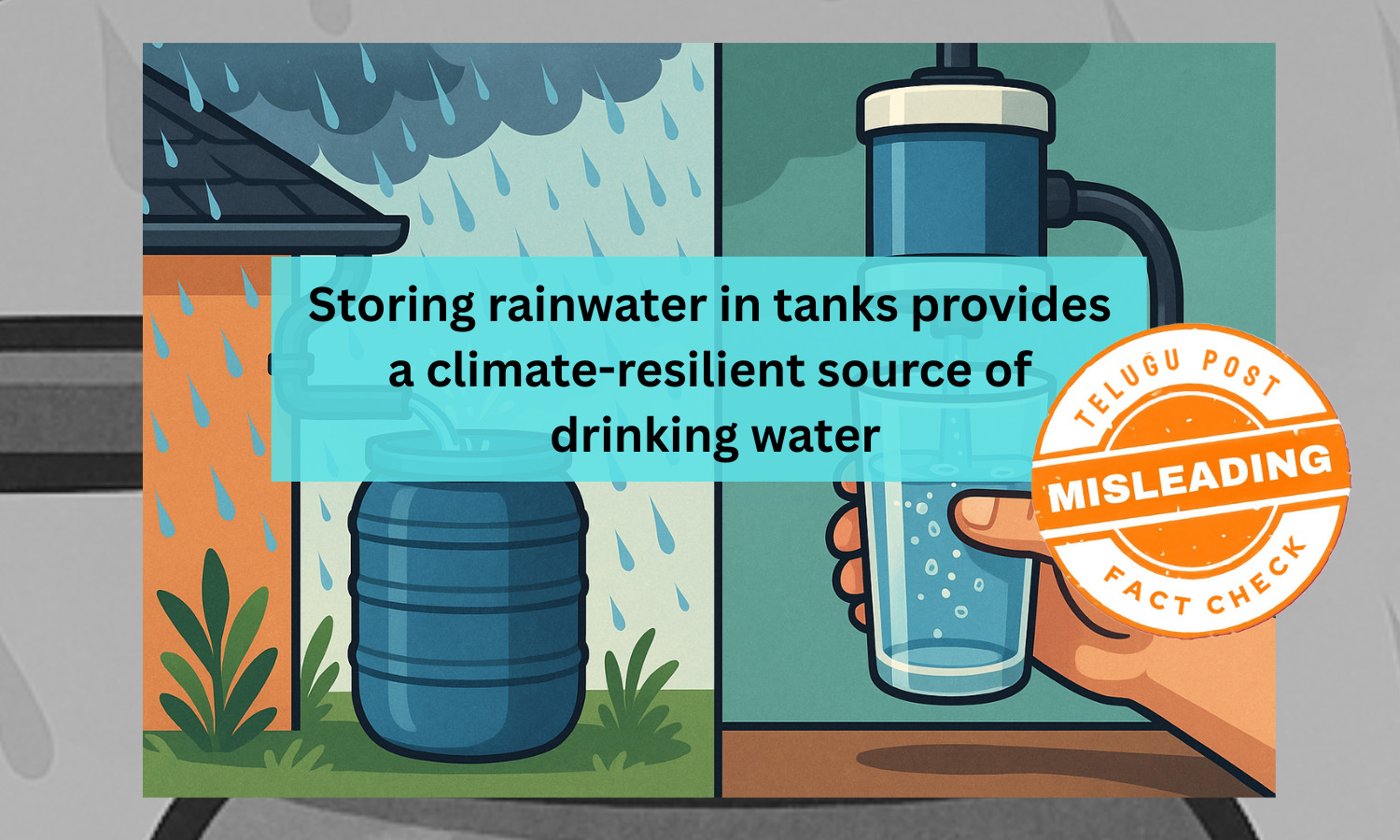 Fact Check: Is Rainwater Safe to Drink? Only After Proper Filtration
But hey, don’t feel bad. Every time you turn on your kitchen faucet, you’re drinking water that used to be rain. It just had a spa day at a treatment plant first. So go ahead, enjoy the rain—on your plants, on your car, and on your window panes. Just leave the drinking to the experts (and the astronauts).
Here’s the Uplifting Wrap-Up
Even if you can’t drink rainwater straight, you can still appreciate it for what it is: the original hydration source for every river, lake, and cloud on Earth. Rain is the reason your garden grows, your toilet flushes, and your cat has something to stare at for hours. It’s the ultimate recycler, and it never asks for a thank-you.
So next time it pours, step outside and stick out your tongue. Not to drink it—but to taste the sky. Let a few drops land on your face and remember: you’re part of a giant water cycle that’s been running for billions of years. That’s kind of magical, even if it’s not the safest cocktail.
And really, isn’t it better this way? If rainwater were perfectly safe to drink, we’d all be standing in our backyards with our mouths open, looking like confused frogs. Instead, we get to stay indoors, sip our filtered water, and watch the storm. Life is good. And so is the water you choose to drink.
Now go grab a glass of tap water, raise it to the sky, and say, “Thanks, rain. You did your job.” 😊
