Does Low Ph Cause Cloudy Water

Alright, let’s talk about something that can turn your beautiful, crystal-clear swimming pool or aquarium into a murky, uninviting mess. You’ve tested the water, you’ve cleane...
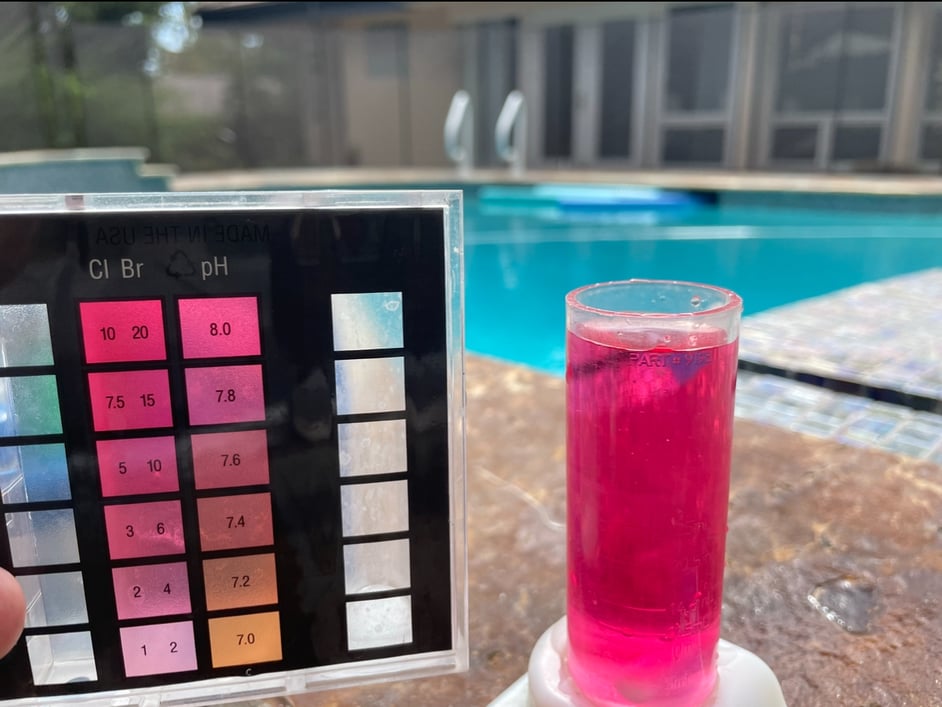
Alright, let’s talk about something that can turn your beautiful, crystal-clear swimming pool or aquarium into a murky, uninviting mess. You’ve tested the water, you’ve cleaned the filter, and still—ugh—it looks like pea soup. What gives?
One sneaky culprit is low pH. Yes, your water’s acidity level can literally be the reason you’re staring at a cloudy haze instead of a shimmering oasis. Let’s dive into why this happens and how you can fix it—without pulling your hair out.
Why Does Low pH Make Water Cloudy?
Think of your water as a delicate ecosystem. When the pH drops too low (under 7.0), the water becomes acidic. And acidic water is a bully—it starts dissolving things you don’t want dissolved.
Must Read
For pools, low pH eats away at metal fittings, plaster, and even your heater. Those tiny dissolved particles float around, scattering light and turning your water cloudy. It’s like a snow globe that never settles.
In aquariums, same story. Low pH can make your fish’s slime coat weak, stress them out, and—bonus—feed the algae and bacteria that love hazy conditions. Your tank goes from clear to fog machine fast.
The “But I Tested It!” Surprise
Here’s the kicker: you might be checking pH regularly, but low pH is sneaky. Rainwater, heavy bather loads in pools, or even too many decomposing leaves in a pond can drag it down overnight. Your pH meter might say “fine” one day, and acidic the next.
And here’s a fun twist: low pH often teams up with low alkalinity. Alkalinity is your water’s shock absorber. Without it, pH swings wildly—and cloudiness is just the start. You might also get algae blooms or scale buildup. Charming, right?
 How to Clear Cloudy Pool Water | Baracuda Australia
How to Fix Cloudy Water (Without a PhD)
First, don’t panic. You don’t need magic—just a pH increaser (usually sodium carbonate or baking soda). Add it slowly, per package instructions, and retest after a few hours. Pro tip: dissolve it in a bucket of water first to avoid shocking your system.
Second, check your alkalinity. If that’s low (under 80 ppm for pools, or below 100 for most aquariums), raise it with a buffer. Once alkalinity is stable, pH will behave like a loyal friend.
Third, clean your filter. Low pH can gunk up filter media with dissolved metals and debris. Rinse it well—a happy filter means happy water. And for aquariums, do a small water change (10-15%) to dilute any acid overload.
The “Wait, It’s Not Just pH?” Moment
Okay, let’s be real: low pH is a common cause, but it’s not the only one. Cloudy water can also scream too much phosphates, bacteria bloom, or even a new filter. But if your pH is low, start there. It’s like fixing a leaky roof before you repaint the ceiling.
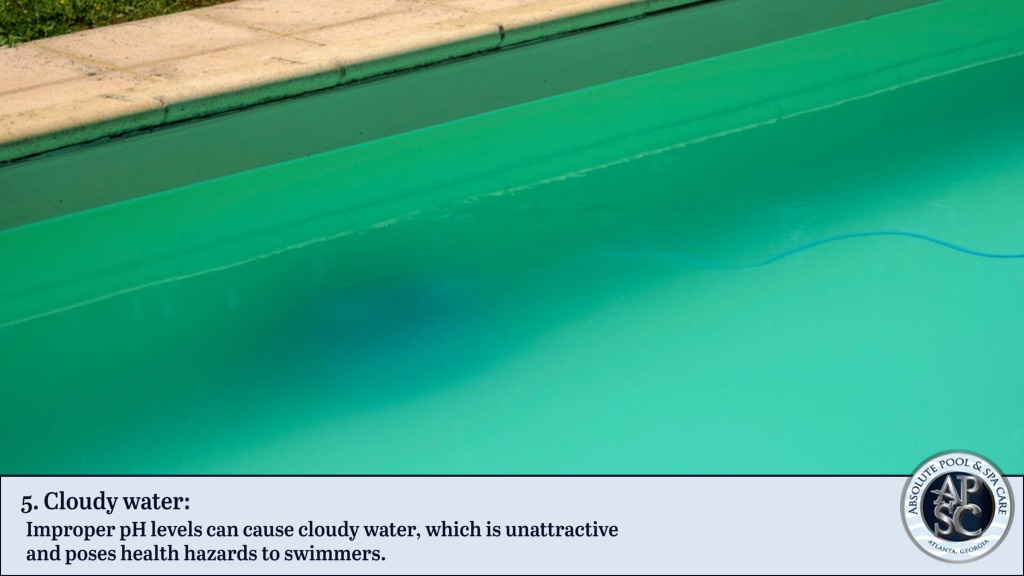 PPT - Understanding the Importance of pH for Pools PowerPoint
Still, the beauty of this is that you are in control. A simple test strip or digital meter can tell you exactly what’s up. And once you adjust the pH, watch the magic happen—the cloudiness lifts, the sparkle returns, and your water looks good enough to swim in (or stare at, if it’s an aquarium).
Why This Makes Life More Fun
Think about it: mastering your water chemistry is like being a secret superhero. You get to banish fog, save fish from stress, and keep your pool party-ready. Plus, the satisfaction of seeing that clarity return? Pure dopamine.
And here’s the uplifting truth: cloudy water is never permanent. It’s just a clue from your aquatic system saying, “Hey, I need a little love.” With a dash of knowledge and a sprinkle of baking soda, you become the hero your water deserves.
So next time you see haze, don’t sigh—grin. You’ve got this. And if you ever feel stuck, remember: the most fun part is learning. Every cloudy moment is just an invitation to understand your little world a bit better. Dive in, adjust, and watch the water—and your mood—clear right up.
