E Coli Where Does It Come From

So, you’ve heard about E. coli, and let’s be real—it sounds like something straight out of a sci-fi horror movie. But here’s the thing: not all E. coli is out to get you. In f...

So, you’ve heard about E. coli, and let’s be real—it sounds like something straight out of a sci-fi horror movie. But here’s the thing: not all E. coli is out to get you. In fact, most of it is just chilling in your gut right now, helping you digest food. Yeah, you’re basically a walking, talking E. coli condo. And honestly, you’re not even paying rent!
The Good, the Bad, and the Stinky
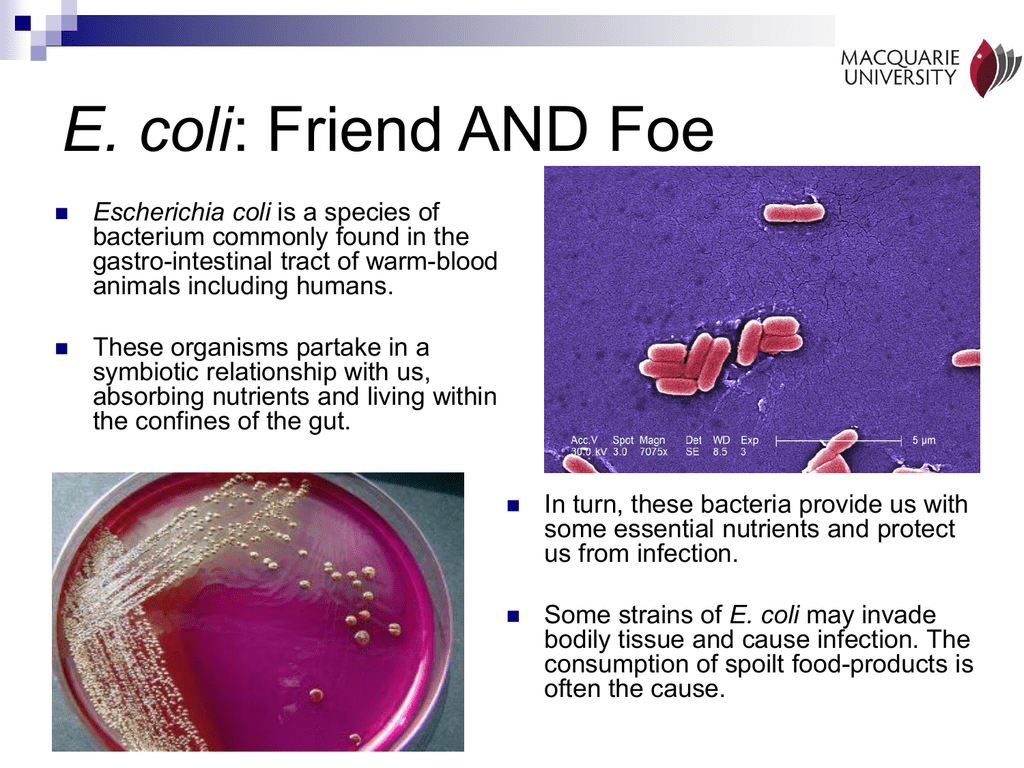
E. coli is short for Escherichia coli, a bacteria that lives in the intestines of warm-blooded animals like us, cows, chickens, and even your neighbor’s overly affectionate golden retriever. The vast majority are harmless—they’re like the friendly neighbors who wave when you pass by. But then there’s the “bad” E. coli, like the infamous O157:H7 strain. That one? It’s the troublemaker that makes the news.
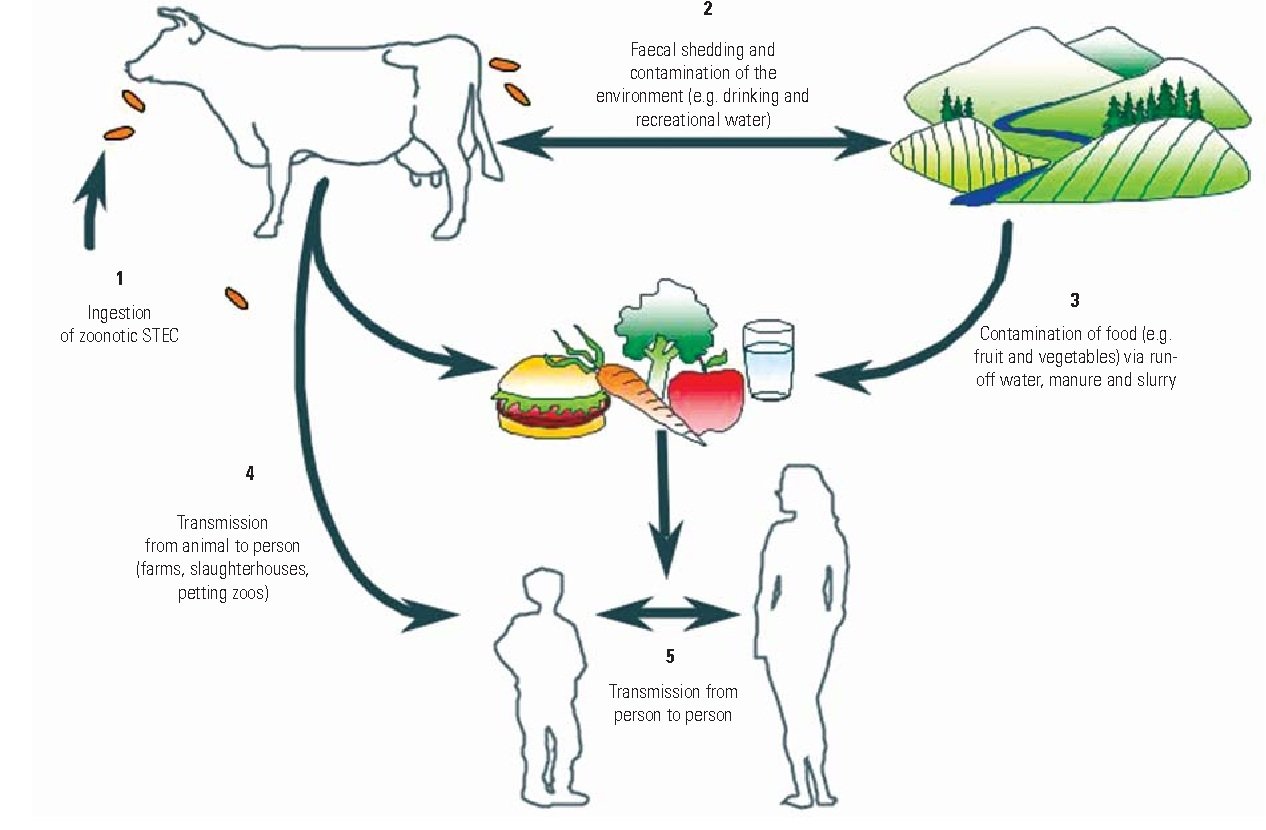
Where does this bad boy come from? Mostly from the poop of infected animals. I know, gross, but stay with me. When animal waste gets into our food or water, that’s when things go sideways. Think of it as a bacterial hitchhiker that’s looking for a ride to your dinner plate. Not the kind of party guest you want to invite.
Must Read
Undercooked Burgers: The Classic Culprit
Picture a juicy hamburger patty. If that cow was carrying E. coli in its gut, and its poop came in contact with the meat during processing, boom—you’ve got contaminated ground beef. That’s why chefs always say, “Cook that burger until it’s no longer pink inside.” They’re not just being dramatic; they’re saving you from a bathroom marathon.
And it’s not just beef. Spinach, lettuce, and sprouts have all been known to carry E. coli if they’re watered with contaminated water. Yes, even your “healthy” salad can be a bacterial boogie fest. But don’t toss your kale yet! Washing produce helps a ton.
The Raw Milk Rebellion (Don’t Do It)
Some folks love raw, unpasteurized milk because they think it’s more “natural.” Newsflash: nature also includes cow poop. If a cow’s udder gets even a speck of E. coli from its surroundings, you’re basically drinking a bacterial smoothie. Pasteurization heats the milk up and zaps those germs. Stick with the pasteurized stuff, unless you enjoy surprise stomach cramps.
Swimming in a lake or river that has animal runoff? Big yikes. If you swallow that water, you might swallow E. coli too. It’s like nature’s version of a pop quiz, and you don’t want to fail.
 Here’S How E. Coli Can Be Both Good And Bad For Your Health – IRYZ
What About Your Kitchen Sponge?
Okay, here’s a fun fact: your kitchen sponge might be the dirtiest thing in your house. If you wipe up raw chicken juice with it, then leave it damp, E. coli can throw a party. And guess what? You’re the DJ when you wash your dishes. Microwave that sponge for 30 seconds (but let it cool down first—don’t be a hero). Or just use paper towels for raw meat messes. Your call.
Another source? Cross-contamination. You cut raw chicken on a cutting board, then chop veggies for a salad on the same board without washing it. Now your salad is an E. coli taxi service. Use separate boards, and wash your hands like a maniac. It’s not paranoia—it’s self-defense.
Pets and Poultry: Cute but Cautionary
Petting zoos, farm visits, and even your own backyard chickens can carry E. coli. Yes, that adorable fluffball could be shedding bacteria. Always wash your hands after petting animals, especially before eating. Little Timmy might want to high-five a goat, but he should high-five a sink with soap first.
And if you’re pregnant, elderly, or have a weak immune system? Be extra careful. Bad E. coli can cause serious kidney issues, especially in kids. Not to be a buzzkill, but it’s true. But hey, knowledge is power—and also the secret to not getting sick.
 Does E Coli Only Come From Feces at Phyllis Mosier blog
The Upshot: You’re Tougher Than You Think
Your body actually has a decent defense system. Stomach acid is like a fiery moat that kills many bacteria. But E. coli is a sneaky dragon. It can take as little as 10 to 100 cells to make you sick. So don’t tempt fate. Cook meat well, wash produce, and keep your hands clean. It’s like dating: avoid red flags, and you’ll be fine.
The takeaway? E. coli starts life in the guts of animals, takes a wild ride through farms, kitchens, and maybe even your cutting board—but you have the power to stop its journey. You are the gatekeeper. The bouncer at the club of your stomach. And no, E. coli does not get a VIP pass.
So next time you fire up the grill or munch on a salad, remember: a little awareness goes a long way. You’ve got this. And if you do get a tummy ache? Drink fluids, rest, and call your doctor. But mostly, just know that most people recover just fine. You’re not a science experiment—you’re a beautiful, wash-your-hands champion.
Now go cook that burger until it’s safe, and give your kitchen sponge a good nuke. Your gut will thank you. And who knows? Maybe you’ll look back and smile, realizing you just outsmarted a bacteria that’s been around since before dinosaurs. Pretty impressive for a Tuesday, right?
