Where Does Our Water Come From

Hey there! Grab a glass of water. Seriously, go ahead. Take a sip. That cool, clear liquid in your hand? It has a wild story to tell, and it’s way more fun than you think. Yo...
Hey there! Grab a glass of water. Seriously, go ahead. Take a sip. That cool, clear liquid in your hand? It has a wild story to tell, and it’s way more fun than you think.
Your Glass’s Epic Journey
Have you ever paused mid-sip and thought, “Wait, where did this actually come from?” It’s not just “from the tap.” That water might have been part of a dinosaur’s bath millions of years ago. (No joke—we drink the same water the Earth has always had.)
But the real magic starts way before your faucet. It begins with a dance between the sky, the ground, and a whole lot of human ingenuity. And once you know this story, you’ll never look at a rainstorm or a river the same way again.
Must Read
The Sky’s the Start
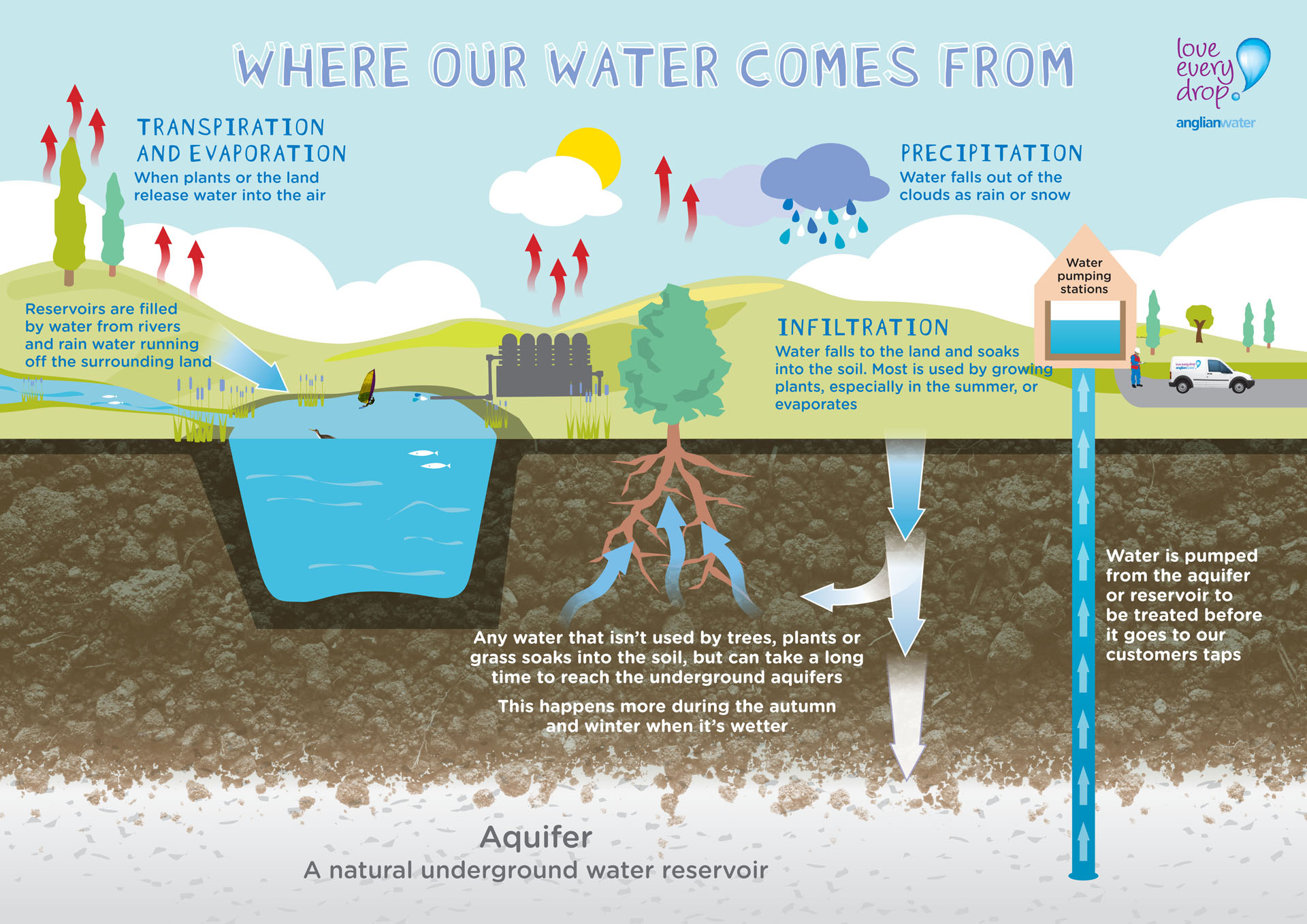
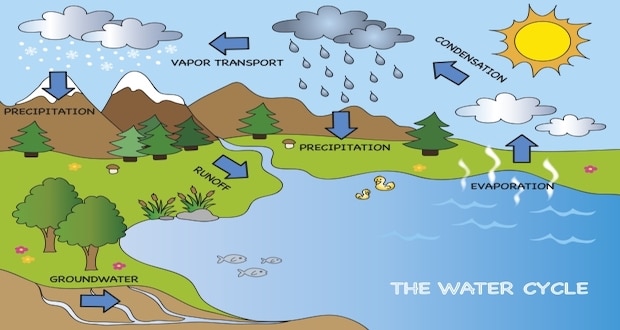
Let’s rewind to the clouds. Water evaporates from oceans, lakes, and even your sweaty forehead on a jog. It rises, forms clouds, then falls as rain or snow. That’s the easy part—nature’s free delivery service.
But here’s where it gets cool: some of that rain lands on mountains and becomes snowpack. That snow, like a frozen bank account, slowly melts in spring and feeds our rivers. Other raindrops soak into the ground, trickling deep underground into ancient aquifers. These are like hidden lakes, some filled with water that fell as rain thousands of years ago.
So, next time you splash in a puddle? You’re touching a tiny piece of Earth’s billion-year-old water cycle. Pretty rad, right?
From Nature to Your Neighborhood
Okay, so nature does the heavy lifting. But how does that mountain stream or underground reservoir end up in your glass? That’s where the heroic infrastructure kicks in. It’s not glamorous, but it’s a marvel.
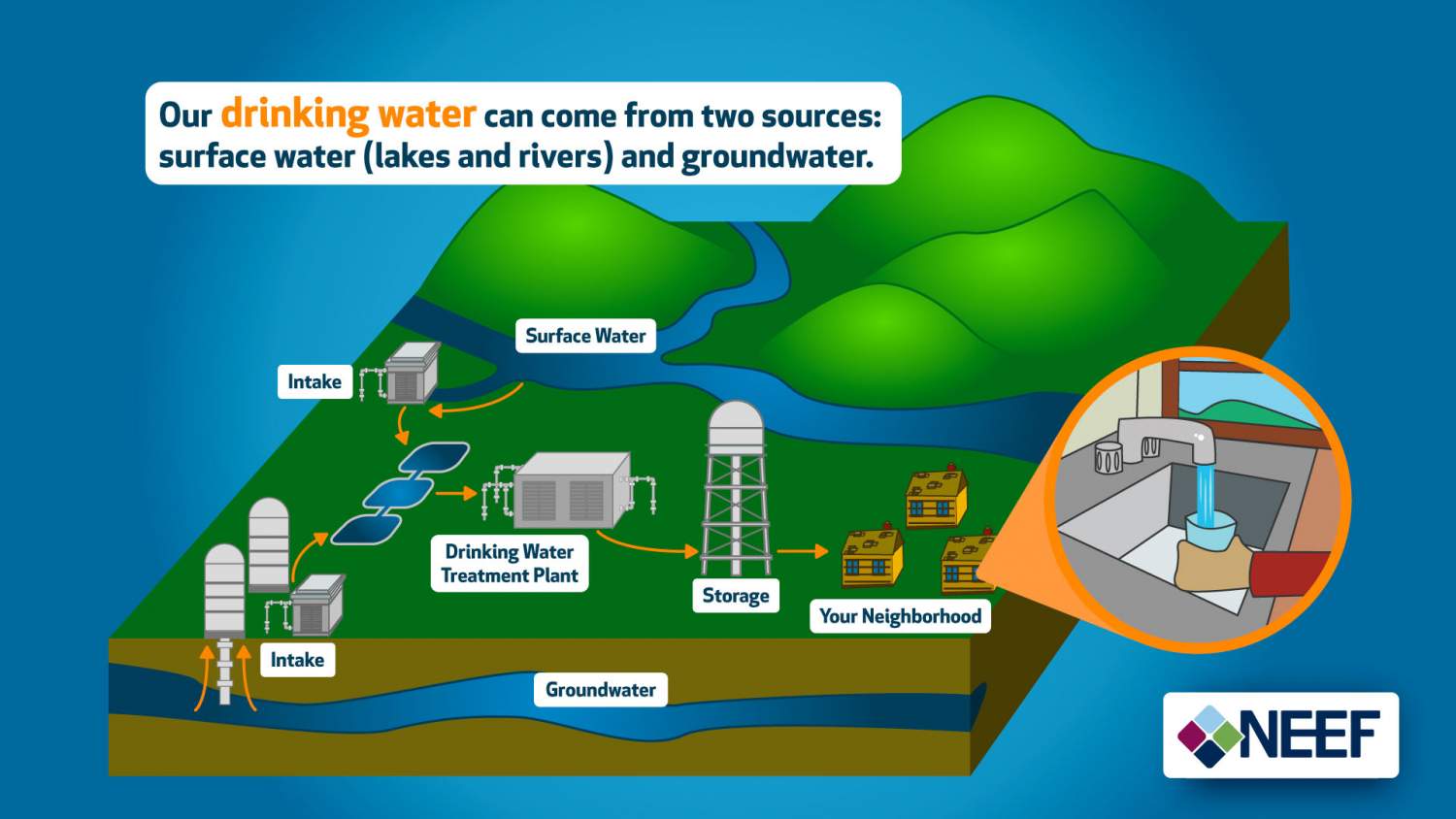 Diagram Of Why We Should Drink Water Importance Water Stock
Engineers and city planners build massive pipes, tunnels, and treatment plants. They catch that river water or pump up that groundwater, then clean it until it sparkles. They filter out grit, bacteria, and anything icky. By the time it reaches your tap, it’s safer than most bottled water—and you’re paying pennies for it.
Think of it this way: every time you turn a handle, you’re activating a century of science and teamwork. The Romans had aqueducts; we have high-tech wizardry. High-five to the person who fixes the pipes at 3 AM.
The Hidden Link: Your Local Watershed
Here’s a word that makes life more fun: watershed. It’s just a fancy term for the land that drains into a specific river, lake, or aquifer. You live in one right now! Every time it rains, water runs off your roof, down your street, and into that watershed.
That means you have a direct connection to your water source. If you toss a candy wrapper on the ground, it might end up in the river that supplies your city. Gross, but also weirdly empowering. You’re not just a consumer—you’re a guardian of the cycle.
 Where Does L.A. Drinking Water Come From? Top Sources To Know – IHGVK
Why This Makes Life More Fun
Knowing where your water comes from turns everyday moments into mini-adventures. That glass of ice water? It’s a sip of a cloud that floated over a forest. That cup of hot tea? You’re steeping leaves in Jurassic-era H2O. Suddenly, your morning routine feels like a scene from a nature documentary.
And here’s the kicker: you can visit your water’s origin. Drive to the reservoir, hike to the river, or look up your local aquifer on a map. It’s like finding the secret menu of your life. Suddenly, your town isn’t just a dot on a map—it’s a living system.
An Uplifting Note to Carry With You
So the next time you’re thirsty, smile. You’re drinking a story—one of ancient rain, modern science, and a planet that keeps spinning just for you. Every drop has traveled further than you ever will, just to quench your thirst.
That’s worth pausing for. You are part of the water cycle. You breathe it, drink it, and even become it for a moment. So go ahead: take another sip, feel a little more connected, and maybe go look up your local watershed. You might just find a whole new reason to love where you live.
