Why Does Soda Burn Your Throat

You crack open a cold can. You take a big, happy gulp. Then—BAM—your throat is on fire. Why does this happen? It’s not just you. It’s a fizzy science experiment happening righ...
You crack open a cold can. You take a big, happy gulp. Then—BAM—your throat is on fire. Why does this happen? It’s not just you. It’s a fizzy science experiment happening right in your mouth.
The Bubbly Villain: Carbonic Acid
That burn isn’t from heat. It’s from acid. When CO₂ gas dissolves in water, it creates carbonic acid. Yes, your soda is a tiny, bubbly acid bath.
Think of it as a very gentle handshake from chemistry. Your throat’s nerve endings feel that acidity as a sharp, tingling burn. It’s your body saying, “Hey, what’s this stuff?”
Must Read
Interestingly, the colder the soda, the less it burns. The gas dissolves better in cold liquid. That means more acid, but the cold numbs your nerves first.
The Fizz Factor: Bubbles in the Throat
It’s not just the acid. It’s the bubbles themselves. Each tiny bubble bursts on your tongue and throat, creating a mini-explosion of pressure.
Your nerves can’t tell the difference between light pain and tickling bubbles. Your brain goes, “Ouch? Fun? Both!” That confusion is why some people love it and others flinch.
There’s a reason soda is called a “soft drink.” It’s a gentle version of the burn you get from spicy peppers. Your mouth is a playground for gas and acid.
The TRPA1 Trick: Your Body’s Alarm System
Your body has a little sensor called TRPA1. It normally detects pain from cold or chemicals. Carbonic acid activates this sensor directly.
So that “burn” is just your nervous system throwing a tiny tantrum. “Alert! Alert! Carbonic acid detected!” But it’s harmless, which is why you keep sipping.
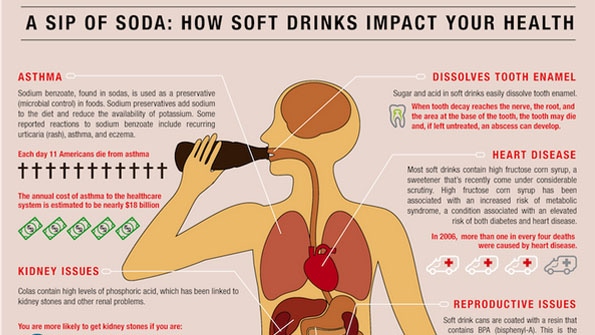
 This Infographic Shows What Soda Does to Your Body
This sensor is also why soda sometimes makes you cough. A sudden gulp triggers your throat’s alarm, causing a protective spasm. It’s like a hiccup, but more fizzy.
Why Some Sodas Burn More
Not all burns are equal. Cola has a lot of phosphoric acid. Ginger ale has ginger, which adds its own heat. And root beer? It’s usually flat-ish and gentle.
Diet sodas are a wild card. They use artificial sweeteners that can make the carbonic acid feel more aggressive. Your tongue gets confused, and the burn feels sharper.
And have you ever tried a sour soda, like a Warhead or a lemon-lime? The citric acid teams up with carbonic acid. That double-whammy is basically a party in a throat puncher.
The Fun Side Effect: Soda Burps
You know the burn comes with a price. The gas eventually escapes. That burp is your body releasing all that CO₂ pressure.
It’s not just a sound. It’s a release valve. If you didn’t burp, the carbonic acid would keep burning your stomach lining. Your body is a genius, even if it sounds gross.
Pro tip: If you chug soda fast, the burn intensifies. The gas builds up faster than you can burp. You become a human soda bottle ready to pop.
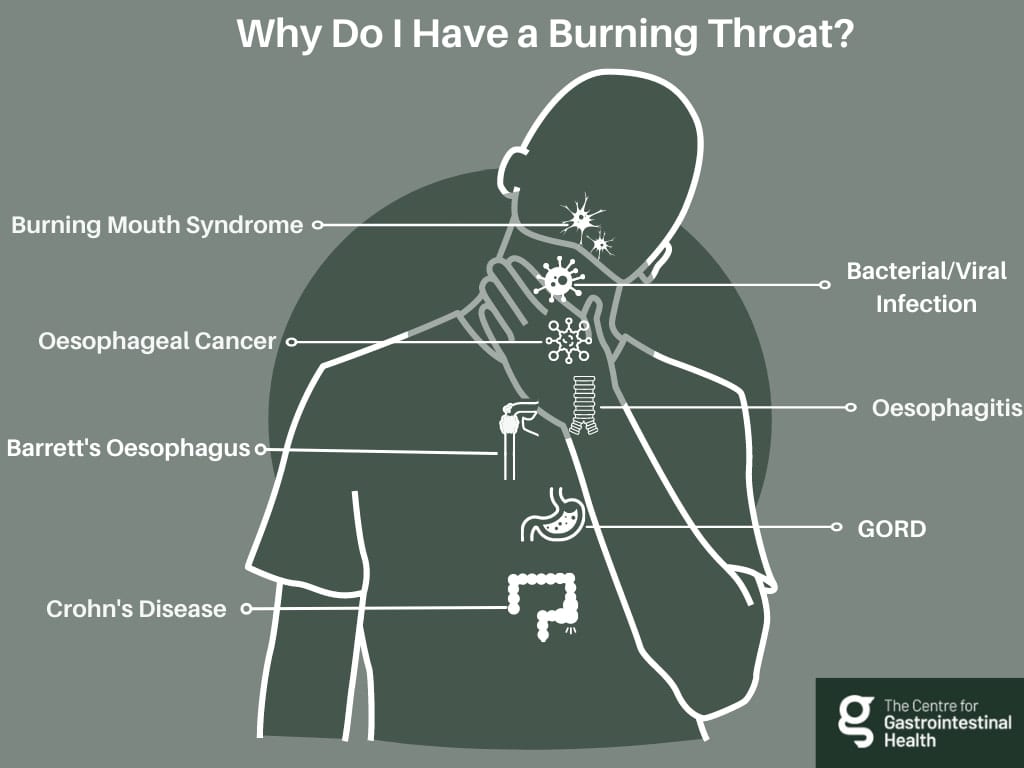 Throat Causes
Why We Actually Love the Burn
Here’s the weird part: we like it. The mild pain releases endorphins. Endorphins are your body’s natural happy pills.
So you’re basically tricking your brain into giving you a tiny high. Every sip is a little reward for dealing with the sting. Who knew pain could be so delicious?
It’s the same reason people eat spicy wings or ride roller coasters. A little danger is fun—especially when it comes in a can.
The Final Fizz: Should You Worry?
Nope. That burn is harmless, unless you have acid reflux. For most people, it’s just your throat having a conversation with chemistry.
Your throat lining is tough. It handles stomach acid, hot coffee, and crunchy chips. A bit of carbonic acid is a joke to it.
So next time you take a sip and feel the fire, smile. You’re experiencing a tiny, fizzy miracle. Science made it just to keep you amused—and a little bit on edge.
Now go drink something bubbly. Your endorphins are waiting.
