Why Does Aquafina Taste So Bad

Let’s be real for a second. You’re at the airport, the gas station, or that sad hotel vending machine. You grab a bottle of Aquafina, twist the cap, and take a sip. And immedi...

Let’s be real for a second. You’re at the airport, the gas station, or that sad hotel vending machine. You grab a bottle of Aquafina, twist the cap, and take a sip. And immediately, your face scrunches up like you’ve bitten into a lemon.
Why does this water, one of the most popular brands on the planet, taste so… bad? You’re not imagining it. There’s a genuine, science-backed reason, and it’s weirder than you think.
The Secret Life of Tap Water
Here’s the first surprise: Aquafina isn’t spring water. It’s purified tap water. PepsiCo, which owns the brand, starts with municipal water sources—the same stuff that comes out of your kitchen faucet.
Must Read
That’s not necessarily a sin. Many great waters do this. The issue is how they purify it. Aquafina uses a seven-step process called HydRO-7™, which includes reverse osmosis and filtration. But the final step is where things get… funky.
The Dirty Little Secret: UV Light and Ozone
To kill bacteria and keep the water shelf-stable, Aquafina is treated with ozone gas and UV light. Ozone is a powerful disinfectant, but it can react with any remaining minerals or plastic from the bottle.
This reaction creates tiny amounts of bromate, a byproduct. Some people detect bromate as a faint, metallic taste. Others perceive it as flat or slightly plastic-like. It’s safe, but your tongue is a snob.
Plus, the plastic bottle itself can leach compounds over time, especially if the water sits in a warm truck or a sunny shelf. That “bad” taste might be a conversation between the water and its container.
Why Your Brain Hates It (But Other People Love It)
Taste is subjective, but water has a science. Aquafina has a very low total dissolved solids (TDS) level—around 1-2 parts per million. That’s almost nothing. It’s so pure that it’s almost sterile.
Water sommeliers (yes, that’s a real job) call this “aggressive” water. It pulls flavor from everything, including your own mouth. If you have a slightly dry palate or are eating peanuts, the water feels sharp and acidic.
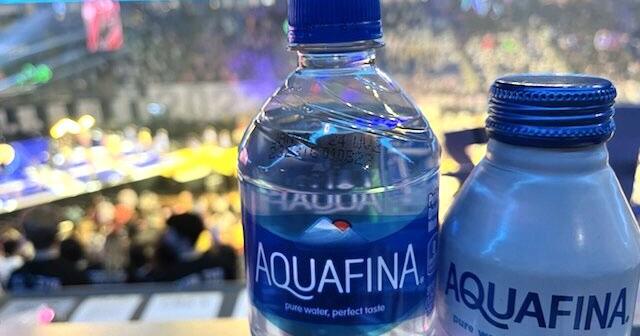 'Pure water, perfect taste' | How Aquafina stacks up against Aquafina
Compare that to a spring water like Evian, which has a TDS of around 300. That water has minerals like calcium and magnesium that give it a rounded, silky mouthfeel. Aquafina, by contrast, is a blank slate—and for many people, a blank slate tastes like nothing, which registers as “off.”
The Cultural Context: A Water Divided
This has become a weird status symbol. In 2023, a Viral TikTok trend saw people blind-tasting bottled waters. Aquafina was consistently ranked near the bottom, with comments calling it “dusty” or “like licking a battery.”
Yet, it’s still a billion-dollar brand. Why? Ubiquity and price. Aquafina is everywhere, and it’s cheap. For many, water is just hydration—a utility. Your brain doesn’t care if it’s fancy; it cares if you’re thirsty.
Think of it like fast food. You know it’s not the best, but sometimes a drive-thru burger hits the spot. Aquafina is the McDonald’s of water: consistent, available, and slightly disappointing.
Practical Tips: How to Survive Aquafina
If you’re stuck with a bottle of the stuff, don’t panic. You can improve the experience. Chill it hard. Cold temperature suppresses flavor perception. Ice-cold Aquafina tastes almost neutral.
Or, pour it into a glass and let it breathe for a minute. Aeration can off-gas some of that ozone-induced sharpness. Squeeze in a lemon, lime, or even a cucumber slice to mask the metallic note.
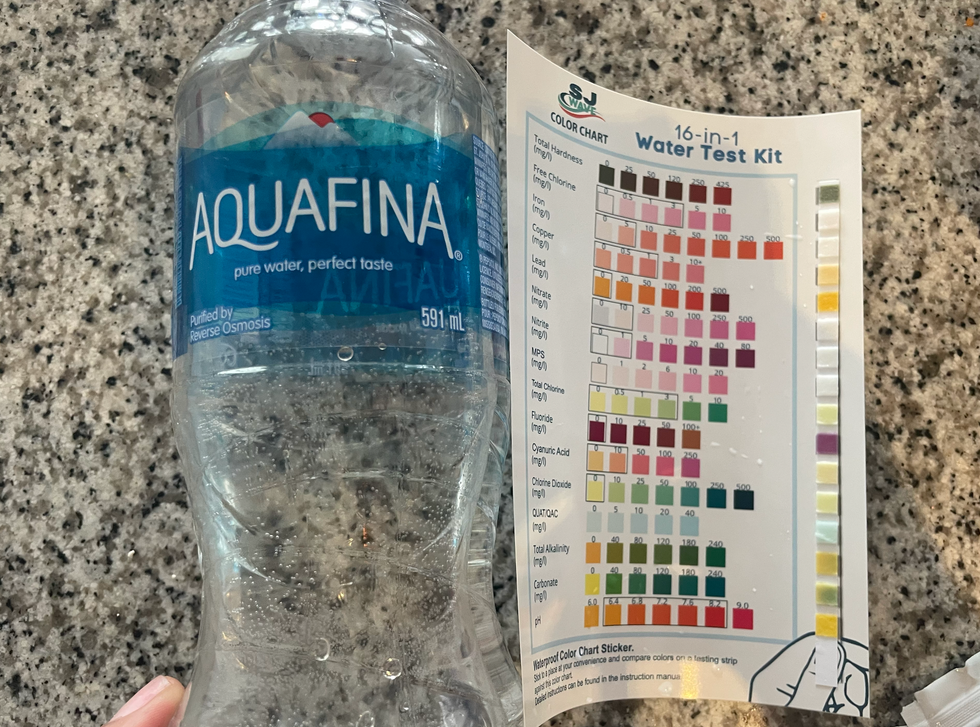 I Tried & Tested 7 Of Canada's Bottled Water Brands — I'll Never Drink
And here’s a fun fact: Peak Aquafina is actually in the small, 500 ml “Sport” bottle with the blue sports cap. The plastic is slightly thicker, and the water often tastes fresher because it’s bottled and moved faster than the jumbo gallon jugs.
A Quick Comparison to Cultural Icons
Ever wonder why people love Dasani but hate Aquafina? They’re both purified tap waters. But Dasani adds a mineral blend (magnesium sulfate, potassium chloride) for taste. Aquafina adds nothing. It’s the water equivalent of a minimalist white wall.
Meanwhile, Fiji water tastes crisp because it’s artesian water from a protected aquifer in Fiji. It’s also packaged in plastic that doesn’t degrade as fast. Aquafina is the opposite: mass-produced, mass-distributed, and designed for volume, not taste.
Even Nestlé Pure Life—often criticized—has a slightly sweeter profile due to its lower chlorine content. Aquafina’s aggressive purity makes it a polarizing choice. You either don’t care, or you can’t stand it.
Reflection: The Water That Teaches Us About Life
Here’s the gentle truth: Aquafina isn’t bad. It’re just honest. It’s water stripped of artifice, flavor, and romance. It asks nothing of you except to quench your thirst.
In a world obsessed with premium experiences—sourdough starters, artisanal coffee, and $7 lattes—sometimes we need a reminder that not everything needs to be delightful. A sip of Aquafina is a little exercise in humility. It’s the water that humbles you.
So next time you’re at a gas station, grab that blue bottle. Take a sip. Embrace the weird, metallic blankness. It’s safe, it’s cold, and after a long run or a hot day, it’s exactly what you need. And if you hate it? Well, now you know why. And that’s a pretty refreshing thought.
