Does Boiling Water Remove Pfas

So you’re standing there, staring at a bubbling pot of water on the stove, wondering if you’ve just discovered the world’s most boring superpower. You’ve heard about PFAS—thos...
So you’re standing there, staring at a bubbling pot of water on the stove, wondering if you’ve just discovered the world’s most boring superpower. You’ve heard about PFAS—those “forever chemicals” that sound like a villain from a bad sci-fi movie. They’re in your non-stick pans, your raincoat, and maybe even your tap water. And now you’re thinking: “If I boil this water, will I be a hero?” Spoiler alert: you’re about to get a reality check that’s colder than a forgotten cup of coffee.
The Hard Truth: Boiling Water is a Bit of a Letdown
Here’s the thing: boiling water is great for killing bacteria and making pasta, but it’s basically useless against PFAS. Imagine trying to wash grease off a plate with just plain water—that’s PFAS for you. These chemicals are stubborn little gremlins that actually concentrate as steam escapes. So instead of removing them, you’re just making soupy PFAS juice.
I once tried to “boil away” a stubborn stain on my favorite shirt and ended up with a permanent reminder of my poor life choices. PFAS are like that stain, except they live in your water and don’t care about your hopes and dreams. Boiling water is the equivalent of asking a cat to heel—it simply won’t work.
Must Read
Why PFAS Laugh at Your Bubble Tea Method
PFAS aren’t like dirt or germs—they’re molecularly engineered to resist heat, water, and pretty much everything else. Think of them as the ninjas of the chemical world: silent, invisible, and impossible to catch with a pot and a flame. You’d have more luck trying to blow out a lightbulb. Studies show that even at boiling point, these chemicals remain stubbornly intact, floating around like that one friend who never leaves a party.
I once boiled a pan of water for twenty minutes, convinced I was purifying my soul and my faucet. When I tested the water (with a fancy, overpriced kit I bought online), the PFAS levels were exactly the same. My dog gave me a look that said, “You paid $40 for a science lesson on how dumb you are.” She was right.
 Does Reverse Osmosis Remove PFAS? Removal Rates, EPA Limits, And System
What Actually Works? (Spoiler: It’s Not Your Kettle)
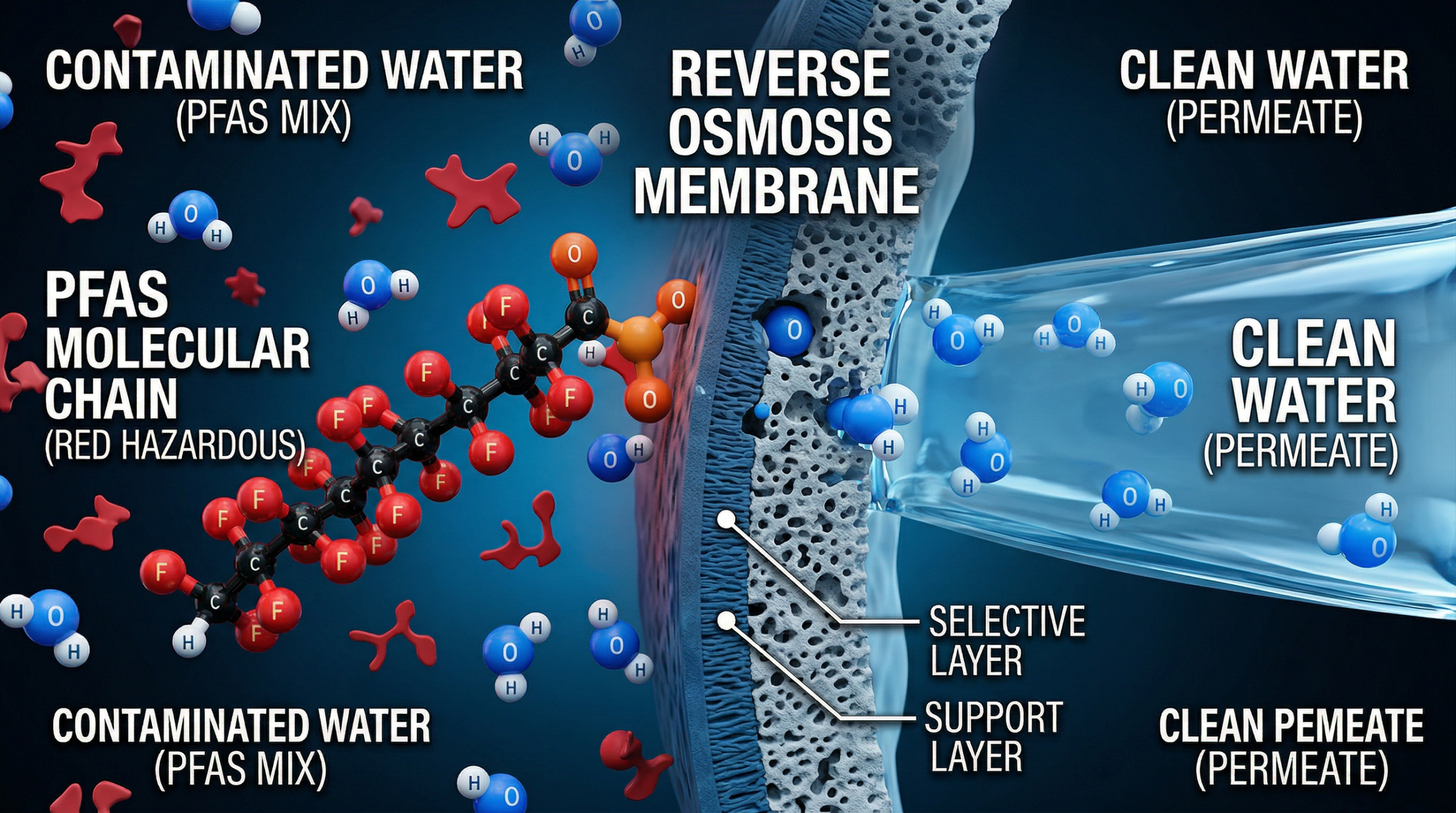
So if boiling water is a washout, what’s a thirsty, panicked human to do? You’ve got three real options: carbon filters (like a Brita, but fancier), reverse osmosis systems that sound like something from a spaceship, or activated charcoal filters that trap PFAS like a net catches fish. These are the heavy lifters in the “bye-bye forever chemicals” department. A good under-sink filter can remove up to 90% of PFAS—which is about 90% more than your stove can manage.
I bought a reverse osmosis system last year, and it was like upgrading from a mop to a robot vacuum. Now my water tastes so clean, it’s almost smug. But let’s be real: these setups aren’t cheap, and they require more maintenance than a potted fern. Still, if you’re looking at your tap like it’s a traitor, this is your answer—not a rolling boil.
The Anecdote Zone: When I Became a Water Detective
Last summer, I convinced myself that boiling water for twenty minutes was the key to PFAS-free living. I spent an entire weekend doing this, filling my kitchen with steam like a sad, low-budget sauna. My girlfriend walked in and said, “Are you… cooking water?” I replied, “I’m fighting the system.” She handed me a glass of chilled tap water and walked out. She was the real hero. After that, I realized I’d rather trust science than my own sweaty forehead.
 PFAS, the toxic 'forever chemical' in Arizona drinking water
The lesson? Boiling water is for tea, soup, and the occasional pasta emergency. It’s not a PFAS removal tool, no matter how hard you pretend you’re a chemist. So go ahead, enjoy that bubbling pot—but if you’re worried about “forever chemicals,” invest in a filter, not a lighter.
The Bottom Line: Keep Your Kettle for Coffee
Look, we all want to feel like we’re in control of our lives, and that includes the water we drink. But boiling water for PFAS removal is like using a hair dryer to cool down your soup—it’s the wrong tool for the job. Instead, save your energy for something that actually works, like checking if your local water utility provides a PFAS report or buying a certified filter.
And if you’re still tempted to boil? Do it for the atmosphere, not the chemistry. I’ll be over here, sipping my filtered water and laughing at my past self—a guy who once thought he could beat industrialization with a stove. You’ve got this, just not with a kettle.
