How Does E Coli Get Into Water

Let’s be honest: E. coli isn’t exactly the life of the party. When you hear that little bugger’s name, you probably think tummy troubles, not inspiration. But here’s the plot...

Let’s be honest: E. coli isn’t exactly the life of the party. When you hear that little bugger’s name, you probably think tummy troubles, not inspiration. But here’s the plot twist: understanding how it gets into our water is actually a fantastic excuse to become a backyard detective and a hero for your own tap!
The Great Poop Plot (Yes, Really)
Here’s the thing—E. coli lives in the guts of warm-blooded animals. That includes cows, deer, birds, and, well, us. So, when we’re talking about water contamination, we’re really talking about a massive game of “where did the poop go?”
It’s not gross; it’s a fascinating puzzle! Rain is the main accomplice. A sudden downpour washes over pastures, farms, and even your neighbor’s dog’s favorite spot, carrying microscopic hitchhikers into streams and lakes.
Must Read
The Sneaky Highway: Runoff 101
Imagine a farmer’s field after a storm. Manure, which is a natural fertilizer, sits on the soil. Whoosh—the rain doesn’t just clean the earth; it transports the bacteria into local creeks. This is called runoff, and it’s the number one route for E. coli’s great adventure.
But it’s not just farms! Your perfectly manicured lawn plays a role. Over-fertilizing? Decomposing leaves? A leaky septic tank in the neighborhood? All of these can send a little “bacteria buffet” flowing straight into the groundwater or a nearby pond.
Old Pipes & Secret Leaks
Here’s where it gets a bit ghost story creepy—but don’t worry, it’s fixable. In older cities, storm drains and sewage pipes sometimes run right next to each other. A crack, a tree root, or an old break creates a tiny portal.
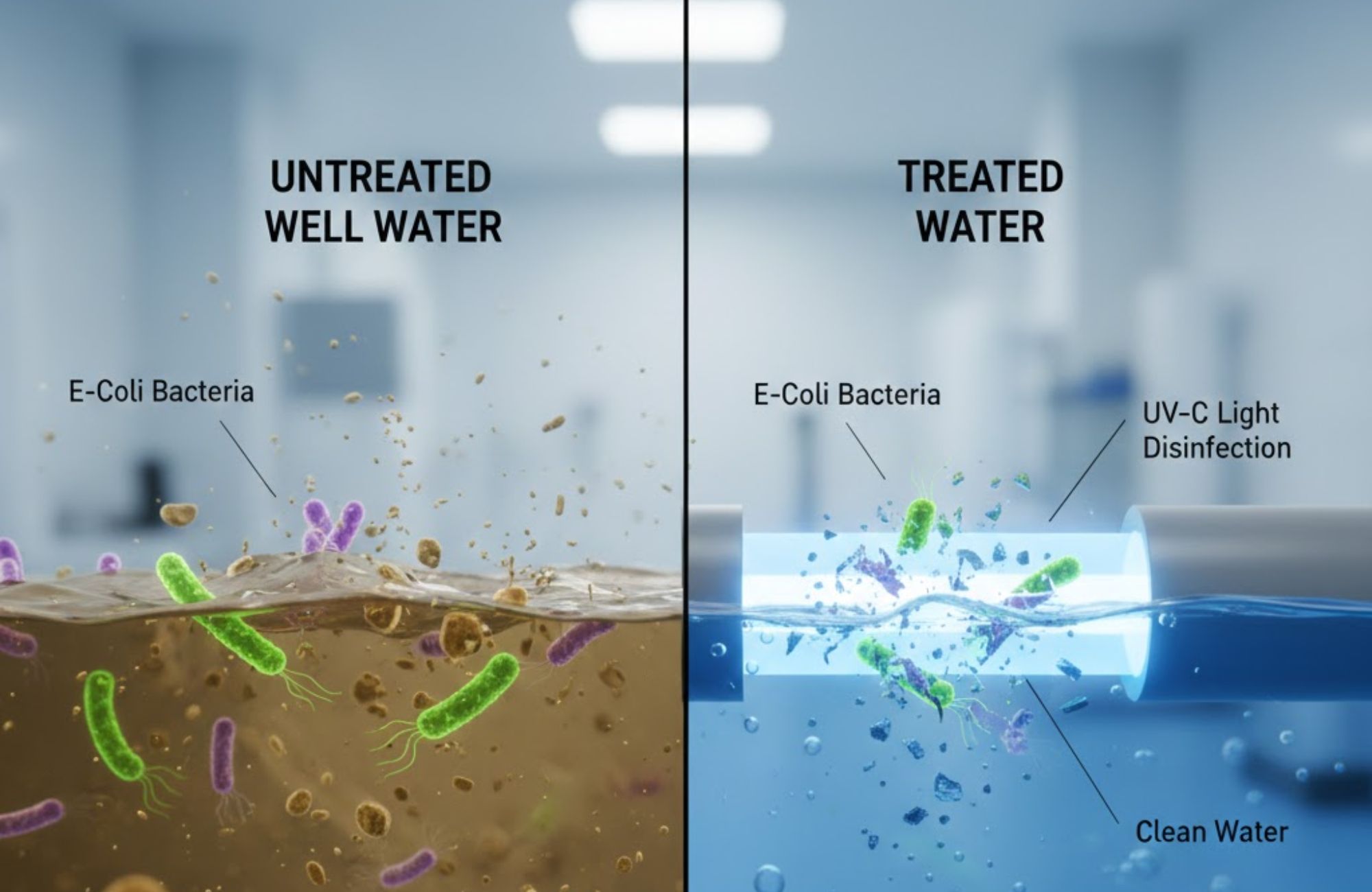 E. Coli in Well Water Treatment: What to Do Next - Housatonic Valley
When the system gets overloaded (hello, massive rainstorm!), raw sewage can accidentally mix with clean rainwater. This is called a combined sewer overflow. It’s rare, it’s dramatic, and it’s a huge reason why cities spend billions upgrading their infrastructure.
Why This Makes Life More Fun (Seriously!)
Now, let’s flip the script. Knowing this stuff turns you into a water whisperer. You’re no longer just a person who drinks a glass of H₂O; you’re an informed citizen who spots the clues! Suddenly, a hike near a stream becomes a science experiment: “Did those cows upstream just affect this water’s safety?”
Plus, it gives you excellent dinner party banter. Imagine saying, “You know, the reason we filter our water is to break the little E. coli game of tag from the field to my faucet.” You’ll sound brilliant and slightly daring.
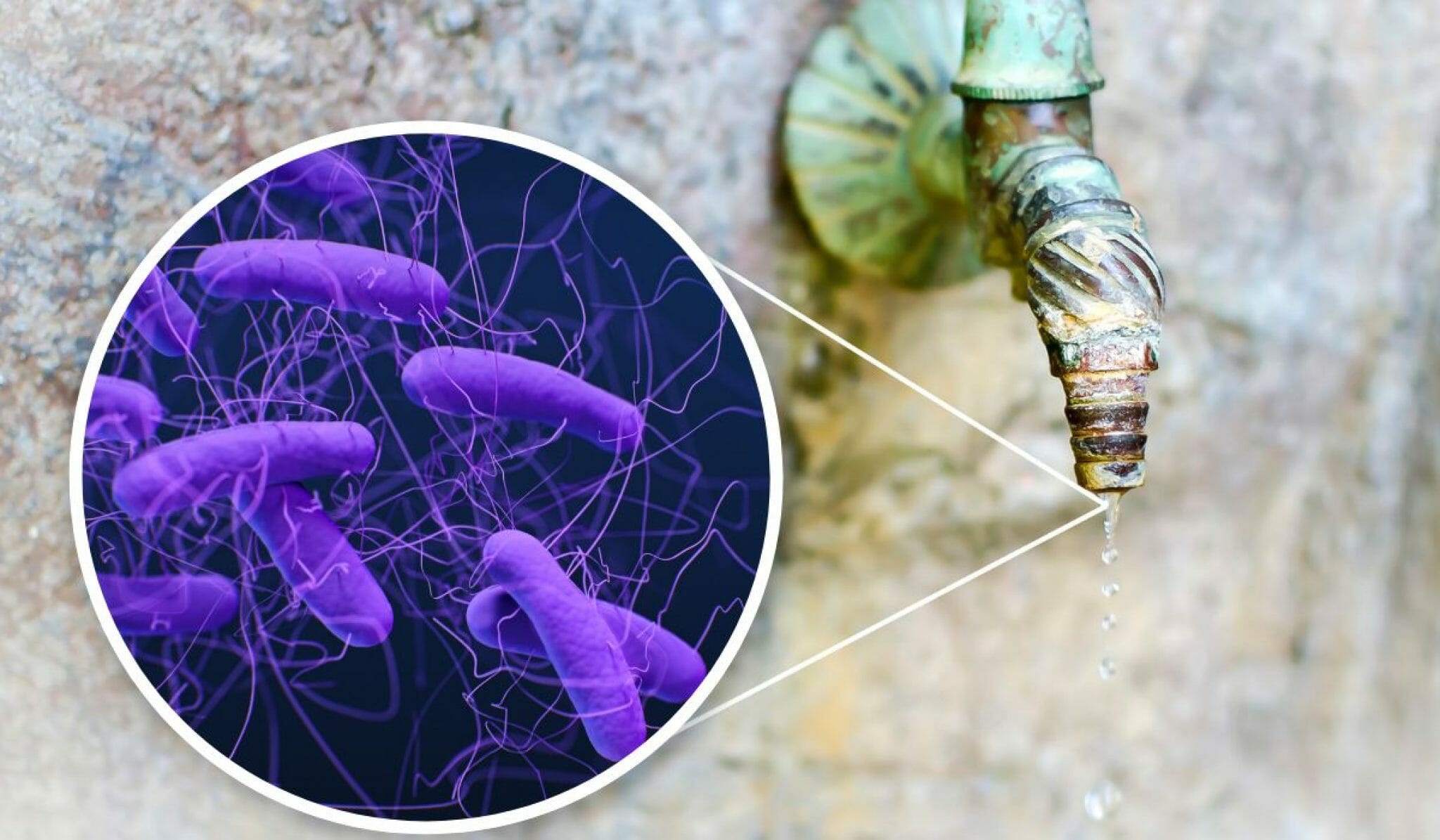 E Coli In Water (Everything You Need To Know In 2026)
You’re the Superhero Here
The best part? You can stop this journey before it starts. Picking up your dog’s waste isn’t just polite; it’s a direct act of water defense. Using less fertilizer on your garden? You’re a land-management legend. Fixing that leaky septic tank? Boom—you’ve just saved a local stream.
And for your own home? That’s easy. Municipal water is incredibly well-tested. Boil advisories exist for a reason—they work. A simple home filter is like a bouncer at a club, politely telling E. coli to “not tonight.”
The Uplifting Finale
So, next time you fill a glass, don’t think about tiny poo particles (gross!). Instead, think of the invisible journey and the amazing system that keeps your water so clean. You’re part of that system now!
Curiosity about a little germ has turned you into an expert on rivers, rain, and resilience. It’s not scary; it’s empowering. So go ahead—learn more, ask more questions, and maybe even test that creek water on your next camping trip. The world is full of amazing microscopic stories, and E. coli is just the start of the adventure. Hydrate hero!
