How Does Sewage Treatment Work

Okay, let’s talk about something we all use but never want to think about: sewage. You know, the stuff that disappears with a satisfying *whoosh* down the drain. Where does it...
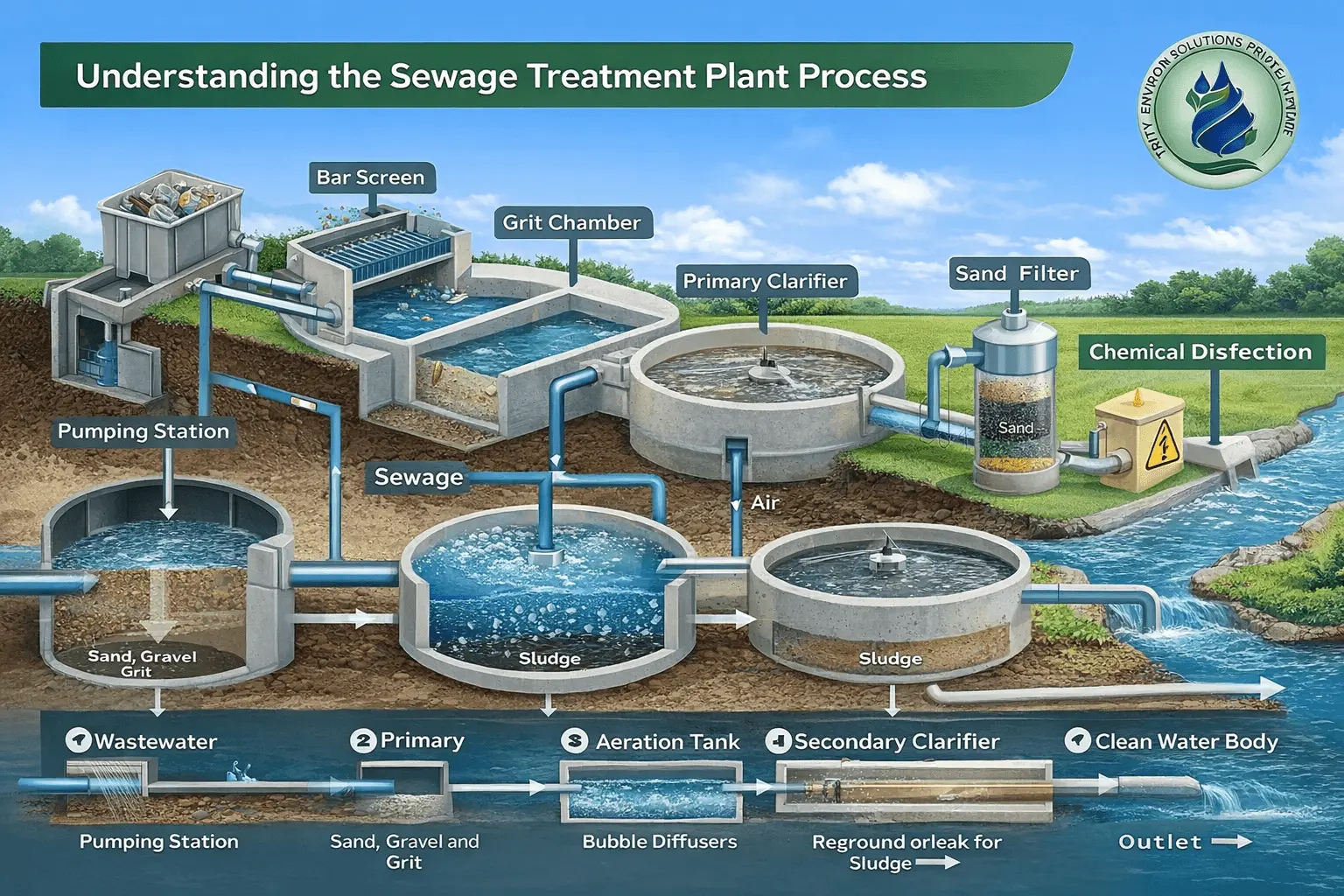
Okay, let’s talk about something we all use but never want to think about: sewage. You know, the stuff that disappears with a satisfying whoosh down the drain. Where does it actually go? And how does it go from “yuck” to “okay, that’s clean enough to release”? Grab your coffee (maybe keep it far from the keyboard for this one). I’m going to walk you through the wild, hidden journey your flush takes.
The Great Escape: From Your Toilet to the Plant
First, a fact that will blow your mind: gravity does most of the heavy lifting. Seriously. Your house is connected to a massive network of pipes that slope downward, just a little bit. Everything from your sink, shower, and toilet rushes downhill, joining forces with your neighbors’ waste.
It all collects in giant underground tunnels called interceptors. These aren’t glamorous. They’re dark, wet, and smell exactly how you’d imagine. But they’re the highway system for all that unwanted water. Eventually, it all arrives at a place with a very official-sounding name: the wastewater treatment plant.
Must Read
Step 1: The “Eww, Get the Big Stuff Out” Phase
Imagine the first thing you’d do if a river of gunk showed up at your door? You’d screen it. That’s exactly what happens. The water passes through giant metal bars that catch anything too big—think baby wipes, rags, plastic toys, and frankly, stuff I don’t want to describe. This is called preliminary treatment.
Those captured solids get scraped off, washed, and sent to a landfill. Gross, but necessary. Next, the water flows into a grit chamber. It’s a pool where the flow slows down, letting sand, gravel, and coffee grounds sink to the bottom. Yes, your morning brew’s leftovers have a whole dedicated room.
Step 2: The Settling Game (Primary Treatment)
Now the water is a bit less chunky, but it’s still a soup of smaller solids and grease. It enters huge tanks called primary clarifiers. Think of these as giant, slow-moving lazy rivers. The heavy stuff (sludge) sinks to the bottom. The lighter stuff, like fats and oils, floats to the top and gets skimmed off.
At this point, we’ve removed about half of the solids. But the water is still full of dissolved poo, bacteria, and tiny particles. Don’t flush yet. We’re just getting started.
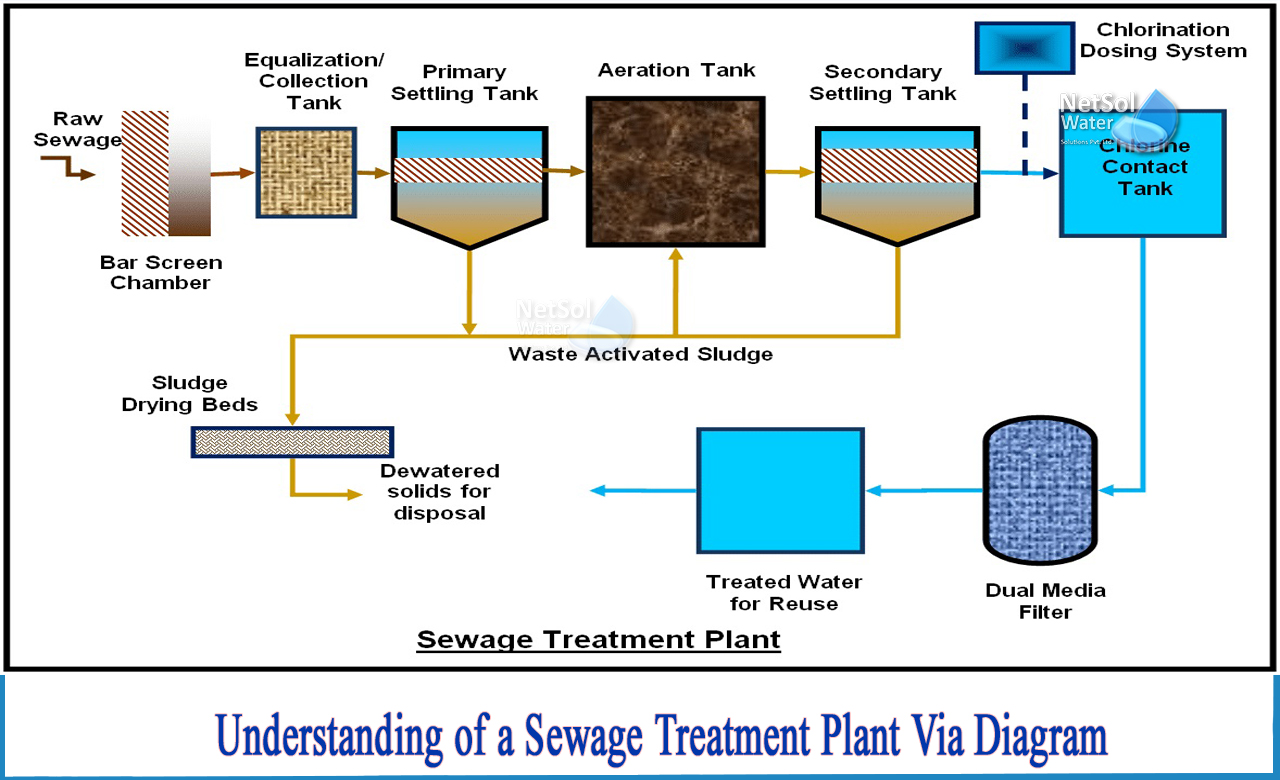 How Does A Sewage Treatment Plant Work Wastewater Water Plants Process
Step 3: The “Feed the Microbes” Party (Secondary Treatment)
Okay, this is where it gets cool. Nature is the real hero here. We pump the water into aeration basins, which are essentially giant vats of hungry bacteria. You heard me. We feed the sewage to microorganisms. They eat the dissolved organic matter, the tiny food scraps, and the bacteria themselves.
To keep these little guys happy, we blow air into the tanks—constant, noisy bubbles. It’s like a Jacuzzi for germs. The bacteria clump together into heavy flocs (think snowflakes of gunk). Then, the water moves to final clarifiers, where those bacterial clumps sink to the bottom. The water above them is suddenly clear. It looks like water again! Magic? Kinda.
Step 4: The Deep Clean (Tertiary Treatment)
Wait, we’re not done. That clear water still has nutrients like nitrogen and phosphorus. Too much of those in a river? It causes algae to grow like crazy, suffocating fish. So we add a few more steps depending on the plant.
Some plants pass the water through sand filters. Others zap it with ultraviolet (UV) light to kill any remaining pathogens. A few brave plants even dose it with chlorine, then neutralize that chlorine so fish aren’t swimming in bleach. The goal? Water that’s clean enough to drink—but usually, it’s released into a river or ocean instead.
 What is Sewage Treatment Plant and How does It Work
The Sludge Side Quest
Remember all that sludge we collected from the bottom of the tanks? It doesn’t just disappear. It gets pumped into giant, heated, oxygen-free tanks called digesters. Inside, another set of bacteria go to town, breaking it down further. This process creates methane gas, which many plants burn to generate electricity! Your poop literally powers the plant.
After digestion, the sludge is dewatered until it looks like thick mud. This “biosolids” is then often sent to farms as fertilizer. Yes, your dinner’s leftovers might one day help grow someone else’s dinner. Circle of life, baby.
So, Is It Really Drinkable?
Here’s the punchline. In many modern plants, after all that screening, settling, microbe-feeding, and UV zapping, the water is technically cleaner than the river it’s dumped into. Some cities, like Singapore and parts of California, actually do send it through reverse osmosis and turn it directly into tap water. It’s called direct potable reuse. Sounds scary? It’s actually the safest water on the planet.
But most places just let it flow back into nature. The river’s ecosystem does a final polish. The next time you flush, take a moment to appreciate the unsung heroes: gravity, hungry bacteria, and a whole lot of pipes working together. You’re welcome, planet.
