How Much Chlorine In Tap Water

Okay, let’s talk about something we all swim in, drink, and shower under: tap water. And that slightly sharp, pool-like smell? That’s chlorine. So, how much of that stuff is a...
Okay, let’s talk about something we all swim in, drink, and shower under: tap water. And that slightly sharp, pool-like smell? That’s chlorine. So, how much of that stuff is actually in your glass?
First, a quick reality check. Chlorine isn’t the bad guy here. It’s the superhero that kills the gross stuff—bacteria, viruses, and parasites—before they reach your lips. Without it, you’d probably be sick, like, all the time. So, thank you, tiny chemical warrior.
The Magic Number
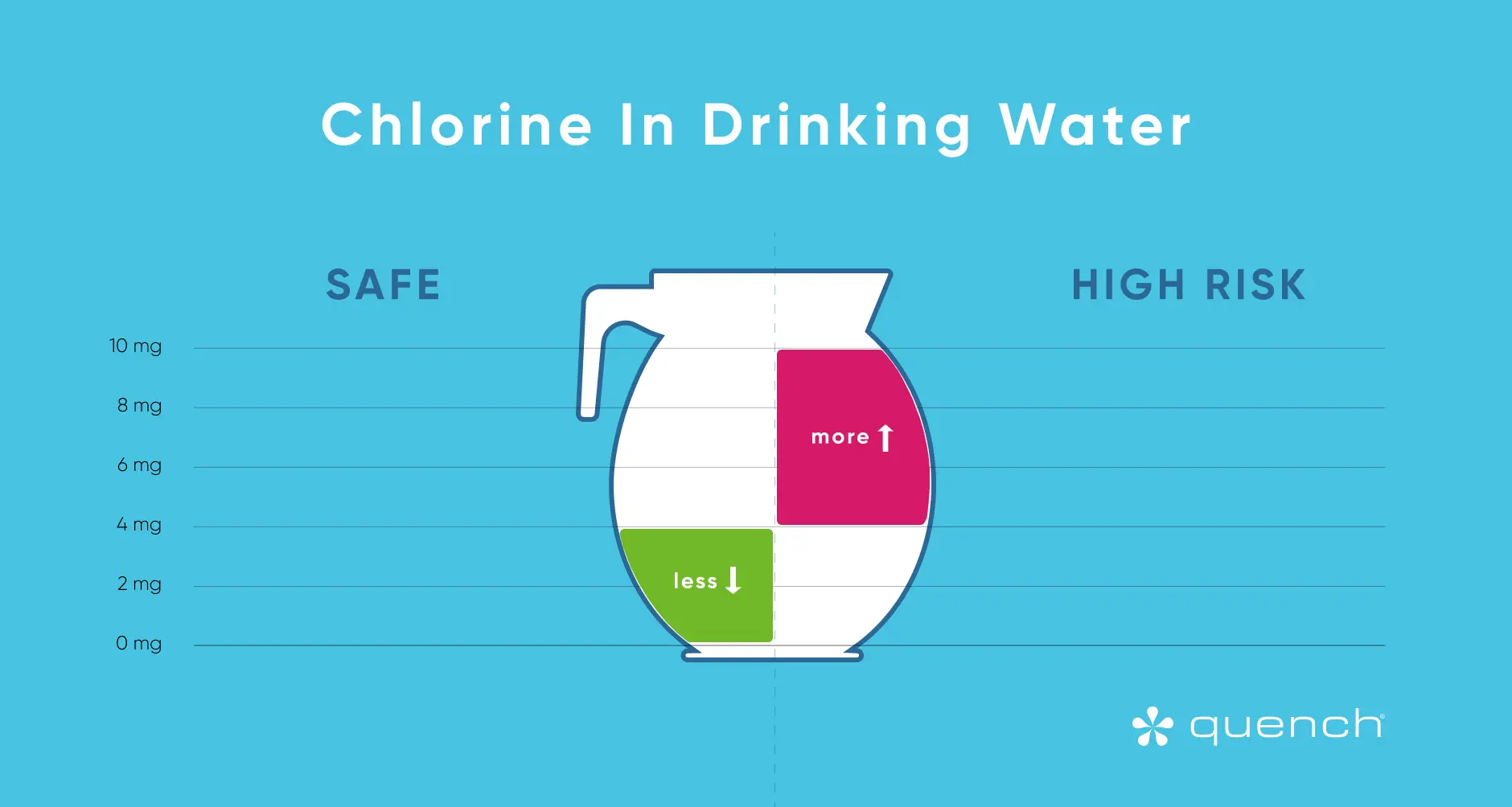
In the U.S., the Environmental Protection Agency (EPA) is the boss of your faucet. They say the maximum amount of chlorine in tap water is 4 milligrams per liter. That’s 4 parts per million. Sounds tiny, right? It is.
Must Read
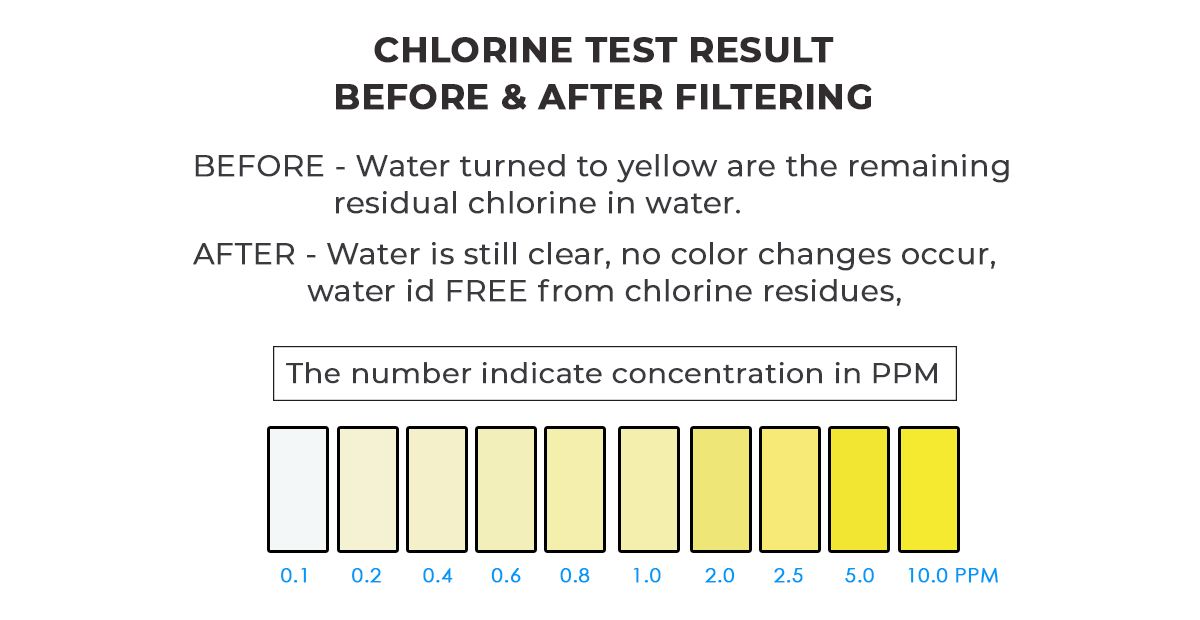
To put that in perspective: imagine dropping one grain of salt into a whole swimming pool. That’s about 4 ppm. But wait—that’s the limit. Most tap water has way less, usually between 0.5 and 2 ppm. So, you’re drinking a gentle bleach whisper, not a chemical scream.
Why Does My Water Smell Like a Hotel Pool?
Here’s the funny part. That "chlorine smell" you notice isn’t actually chlorine. It’s chloramine—a compound made when chlorine reacts with ammonia or other organic gunk. Think of it as chlorine’s awkward, smelly cousin. The stronger the smell, the more stuff the chlorine is eating in your pipes. Gross? Maybe. Effective? Totally.
And yes, sometimes your water might taste a little metallic or weird. That’s usually just the chloramine doing its job, or tiny amounts of leftover disinfectant. But hey, you’ve probably had way worse at a friend’s house whose Brita filter is thirty years old. No judgment.
 Ultra Filtration System
Should You Be Freaking Out?
Honestly? No. But I get the worry. We all Google things like "chlorine in water causes cancer" at 2 a.m. and spiral. Here’s the truth: long-term exposure to high levels of chlorine might be linked to bladder cancer, but that’s from drinking it for decades. Not your weekend glass of tap water.
Most of the risk comes from byproducts called trihalomethanes (THMs). Those form when chlorine reacts with dead leaves or dirt in the water. They have scary names, but the EPA keeps them below strict limits. Seriously, your tap water is tested more often than your coffee shop’s oat milk. It’s fine.
What About Showers and Baths?
Okay, you might absorb a tiny bit of chlorine through your skin, but your body is a fortress. A 10-minute shower isn’t turning you into a bleach bottle. Unless you’re drinking the shower head? Stop that. You’re a baker, not a chemist.
If you’re still nervous, get a $20 shower filter. They work okay. But honestly, you’re more likely to slip in the tub than get harmed by chlorine. No, really—the CDC says slips and falls are way more dangerous. Go crazy.
 Chlorine in Tap Water Explained—And Why You Need a Filter – Earths Water
How to Lower Chlorine (If You Really Want To)
Let your tap water sit in a pitcher for 15 minutes. Chlorine evaporates into the air, because it’s volatile. It’s like magic, but lazier. Or boil it for five minutes. That removes nearly all chlorine and THMs. You can also use a carbon filter—Brita, Pur, those little black cubes. They’re not perfect, but they do a solid job.
But here’s the kicker: if you filter out all the chlorine, your water will grow bacteria in a day or two. Keep it in the fridge, and drink it fast. No one wants a science experiment in their Yeti cup.
The Big, Playful Truth
Chlorine in tap water is like the bouncer at a club. You don’t notice it until it’s gone, and then all the drunks show up. So, yes, there’s a little bleach in your morning glass. But it’s clean, it’s safe, and you’ve survived this long.
So go ahead, drink up. If you really hate the taste, add a lemon slice. Or pour it in a mug, let it sit, and then pretend it’s fancy mineral water. I won’t tell. Cheers!
