What Is The Ph In Spring Water

Have you ever stared at a bottle of spring water and wondered what makes it taste so… fresh? Maybe you’ve heard people toss around the term “pH” and felt a little lost. It’s o...

Have you ever stared at a bottle of spring water and wondered what makes it taste so… fresh? Maybe you’ve heard people toss around the term “pH” and felt a little lost. It’s okay—I’m right there with you.
Let’s break it down without any science jargon headaches. pH is just a fancy way of saying how acidic or alkaline a liquid is. Think of it like a scale from 0 to 14, where 7 is perfectly neutral—like pure distilled water.
So, where does spring water land? Most spring water sits comfortably between 6.5 and 8.5 on that scale. That’s slightly alkaline or neutral, which is why it feels so clean and smooth on your tongue compared to, say, lemon juice (which is around pH 2).
Must Read
Why should you care about a number?
Here’s the cool part: that pH range isn’t random. It’s tied to the minerals in the water, like calcium, magnesium, and potassium. These natural minerals act like tiny buffers, keeping the pH stable and giving the water its signature taste.
Imagine a gummy bear dropped into a glass of acidic soda—it fizzes and dissolves. Now drop one into spring water. It just sits there, happy and intact. That’s the pH at work, protecting your water from being too harsh or too flat.
Ever noticed how some spring waters taste almost silky? That’s the alkaline side (around pH 8) playing tricks on your taste buds. A higher pH can make water feel smoother, like a gentle hug for your mouth.
What about the fuss over alkaline water?
You’ve probably seen those fancy alkaline water bottles claiming to “balance your body.” While that sounds cool, your stomach is naturally very acidic (around pH 2). So, by the time spring water hits your gut, its pH doesn’t matter much—your body adjusts instantly.
 Spring Water Ph Level Chart
But here’s the real curiosity: spring water’s pH tells a story about the earth. When rainwater filters through rocks and soil, it picks up minerals. That journey changes the pH. So, a spring in a limestone cave might be more alkaline, while one from a volcanic area could be slightly acidic.
Think of it like a detective clue. The pH is a secret message from the mountain, whispering, “I came from a place full of ancient shells” or “I passed through granite.” How wild is that?
Is one pH better for you?
Not really. Your body is a brilliant machine that craves balance. Drinking spring water with a pH of 6.5 versus 8.5 won’t make you a superhero—or a sourpuss. What matters is that the water is clean and full of minerals.
Have you sipped water that tasted flat or metallic? That’s often a sign of low mineral content, not pH. Spring water gets its zing from those minerals, not from being perfectly balanced.
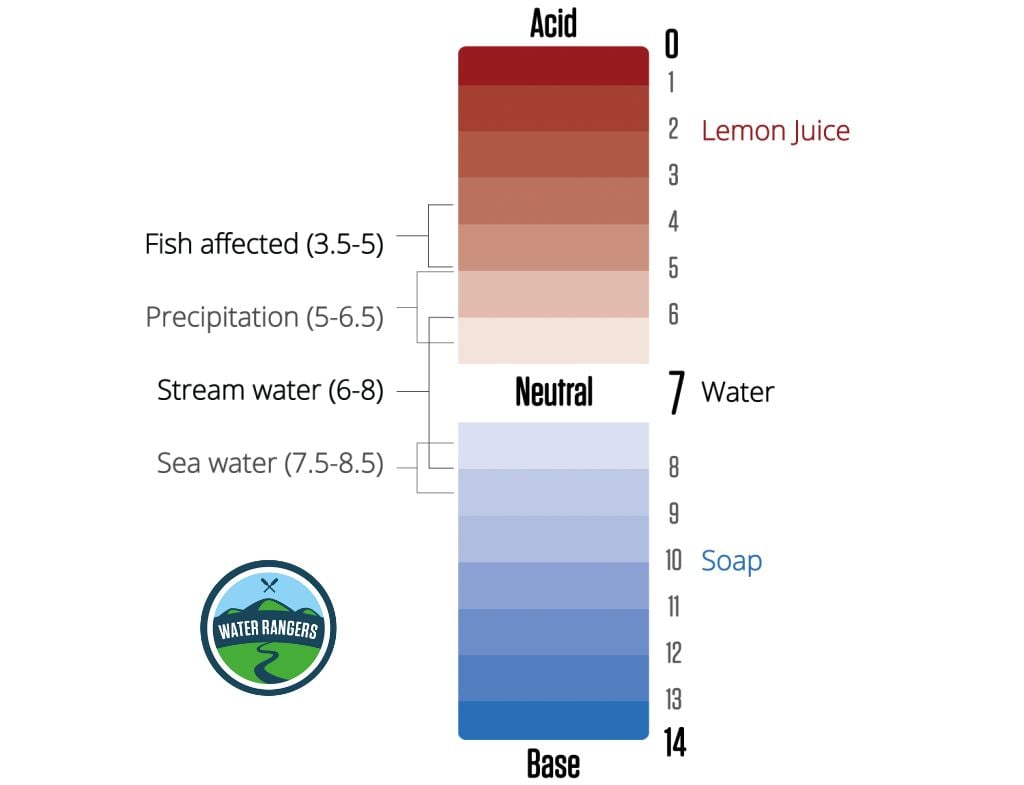 What Is A Good Ph Level For Spring Water at Owen Griver blog
Here’s a fun comparison: Remember how a good cup of coffee has a pH around 5? That’s still acidic enough to wake you up, but spring water is way gentler. It’s like the yoga teacher of beverages—calm, steady, and refreshing.
The bottom line (in a chill way)
So, the pH in spring water is just a snapshot of its journey. It’s not something to obsess over or memorize—unless you’re the type who enjoys knowing that your glass of water has a backstory.
Next time you take a sip, think about the ancient rain that fell on a mountain, trickled through cracks in the Earth, and picked up a pinch of magic (aka minerals) along the way. That’s pH—not a chemistry test, but a little fingerprint of nature.
And honestly? The best pH is the one that makes you want to drink more water. Because hydration, my friend, is way more important than a number. So grab a bottle, lean back, and enjoy the taste of a planet doing its thing.
