What Is Polyphosphate Used For

Ever heard of polyphosphate and thought, “Is that a fancy pasta shape or something I should be worried about?” You’re not alone. It sounds like something from a sci-fi movie,...

Ever heard of polyphosphate and thought, “Is that a fancy pasta shape or something I should be worried about?” You’re not alone. It sounds like something from a sci-fi movie, maybe a villain’s secret weapon. But relax, take a breath—it’s actually a hardworking little molecule that’s been quietly keeping your world running (and your food from turning into a science experiment). Let’s dive into what this stuff is really used for.
First Off, What Is Polyphosphate?
Think of a chain. Now imagine that chain is made of phosphorus, oxygen, and a little chemical elbow grease. That’s a polyphosphate—a string of phosphate units hooked together. It’s found naturally in everything from yeast to your own cells. But when we manufacture it? Oh boy, it becomes the ultimate multitasker.
In the simplest terms: it’s a magical powder or liquid that loves water, hates spoilage, and has a secret crush on metal ions. It’s basically the friend who shows up to every party and makes sure everyone behaves. And trust me, it gets invited to a lot of parties.
Must Read
In Your Food: The Silent Superstar
You’ve almost certainly eaten polyphosphate today. Don’t panic—it’s not scary! It’s in your cheese slices, your canned tuna, your ham, and even your instant pudding. Its job? To keep things moist, creamy, and surprisingly fresh. Without it, your shredded cheese would turn into a sad, clumpy brick in the fridge.
It also stops fats and oils from separating in processed foods. Ever wonder why your sausage stays so plump and juicy? Polyphosphate is holding hands with the water and fat, whispering, “Stay together, pals.” It’s the ultimate peacekeeper. And no, it doesn’t have a weird taste—it’s basically invisible to your tongue. Sneaky little hero.
Meat Magic: Turning Tough Into Tender
Butchers and deli owners love this stuff. When you sprinkle polyphosphate onto meat (especially chicken, ham, or bacon), it binds water like a lifesaver in a desert. That means a juicier, more tender bite. It also stops that nasty gray color from forming. So basically, it makes your Sunday roast look and taste like a million bucks.
Just don’t tell your carnivore friends it’s not a spice—it’s a chemistry trick. They’ll thank you for the delicious deception.
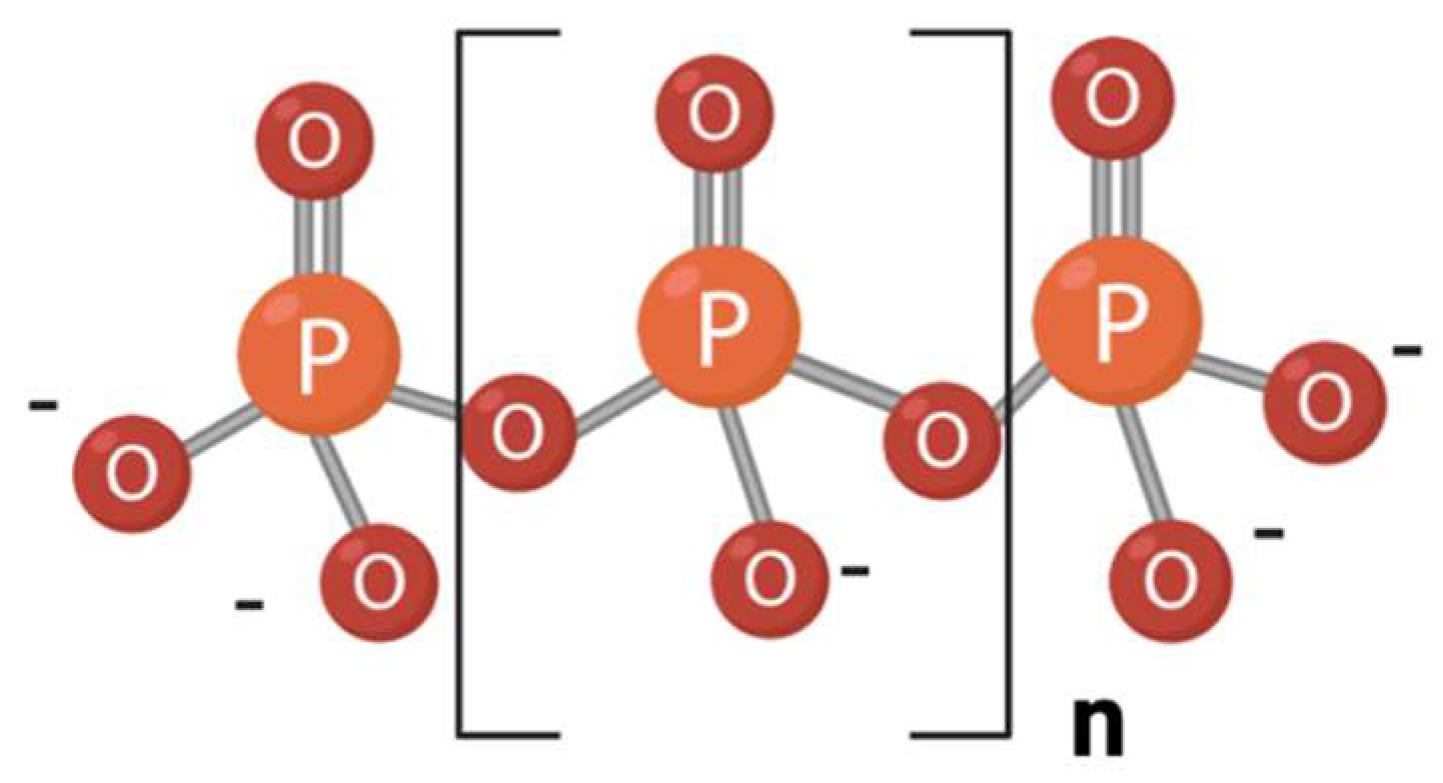 Polyphosphate in Lactic Acid Bacteria: A Functional Molecule for Food
In Your Bathroom: Yes, Really
Switching gears: polyphosphate is in your laundry detergent, your dishwasher soap, and even your toothpaste. Why? Because it has a superpower—it attacks soap scum and hard water minerals. Imagine it as a tiny bouncer that kicks calcium and magnesium out of the party so your soap can actually work.
Without it, your dishwasher would leave white chalky spots on every glass. And your toothpaste? It helps prevent those ugly tartar deposits from building up on your teeth. So next time you flash a clean smile, thank polyphosphate. It’s basically the dental hygienist’s secret weapon.
In Water Treatment: The Guardian of Pipes
This one is seriously cool. Polyphosphate is added to municipal water supplies to prevent pipe corrosion. Old pipes, especially those made of lead or iron, can leach nasty metals into your drinking water. Polyphosphate wraps around those metal ions like a cozy blanket and stops them from dissolving. It’s like a mother hen protecting your H2O.
It also prevents that rusty red water you sometimes see when a fire hydrant opens. So if your tap water stays clear and safe, you’ve got a phosphate chain to thank. (You’re welcome, plumbing.)
In Industry: The Heavy Lifter
Polyphosphate doesn’t just chill at dinner parties. It works in factories, too. It’s used in metal finishing, drilling fluids for oil wells, and even in ceramics. It helps disperse clay evenly, so your toilet bowl fits perfectly without cracks. Who knew the humble loo owed its smooth shape to a phosphate?
 Molecular Microbiology | Microbiology Journal | Wiley Online Library
It also appears in flame retardants. When something catches fire, polyphosphate helps create a protective char layer. It’s like a tiny firefighter in every couch cushion. Not every hero wears a cape—some come as a white powder in a chemical drum.
Wait—Should I Be Worried?
Good question. You might hear scary stories about phosphates in the environment. It’s true: too much phosphate runoff (from fertilizers or large-scale use) can cause algae blooms in lakes. That’s a real problem. But the polyphosphate in your cheese packet? It’s used in tiny, regulated amounts. Your body actually needs phosphorus to build bones and make energy.
In food, it’s considered safe by pretty much every health authority on the planet. So unless you’re eating straight from the bag (please don’t), you’re perfectly fine. Moderation is the key—just like with chocolate, or karaoke.
The Uplifting Conclusion (You Knew It Was Coming)
So there you have it. Polyphosphate is the invisible friend that keeps your cheese stretchy, your teeth clean, your pipes rust-free, and your laundry bright. It’s not a villain or a weird science experiment—it’s a team player that makes life a little softer, a little juicier, and a lot less messy.
Next time you bite into a perfectly tender ham or admire a spotless wine glass, give a little wink to the chain of phosphates working behind the scenes. They’re the quiet crew that asks for nothing in return—except maybe a spot in your kitchen cabinet. And now, knowing all this, you’re officially the most interesting person at the dinner table. Go ahead, drop a “did you know” about polyphosphate and watch your friends’ jaws drop. You’ve earned it. Stay curious, keep smiling, and always appreciate the little molecules that hold your world together.
