How To Fix Hard Water In House

Have you ever noticed that weird, crusty white stuff building up on your showerhead? Or maybe your dishes come out of the dishwasher looking a little cloudy, no matter how muc...
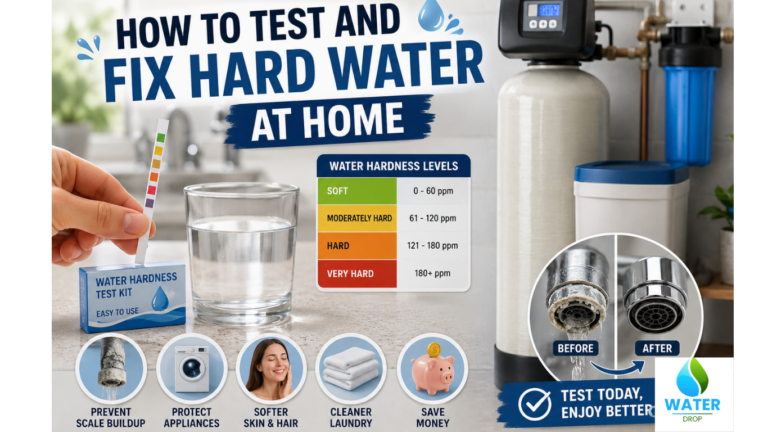
Have you ever noticed that weird, crusty white stuff building up on your showerhead? Or maybe your dishes come out of the dishwasher looking a little cloudy, no matter how much soap you use?
That, my friend, is hard water—and it’s basically the clingy ex of the plumbing world. It leaves mineral deposits (mostly calcium and magnesium) everywhere it goes. Annoying? Yes. But fixing it? Surprisingly satisfying.
What’s the Big Deal?
Hard water isn’t dangerous—you can drink it just fine. But it’s like that friend who visits and never fully cleans up after themselves.
Must Read
It makes your soap less bubbly, your skin feel dry, and your appliances work twice as hard. Think of it as the difference between washing your hands in fresh rainwater versus sandpaper water—one just feels nicer, right?
The real kicker? Hard water can slowly clog your pipes, shorten the life of your water heater, and cost you money in repairs. Nobody wants to pay for a water heater because of some rebellious rocks in your water supply.
Option 1: The Whole-House Water Softener (The Big Boss)
This is the most common fix, and it’s basically a water spa for your whole house. A softener system uses salt to swap out the calcium and magnesium for sodium ions.
Installing one is like giving your pipes a gentle detox. Your soap will foam like crazy, your hair will feel softer, and your appliances will breathe a sigh of relief. Imagine your washing machine doing a happy dance—that’s what happens.
The downside? It costs a few hundred to a thousand dollars, and you have to refill the salt regularly. But for many, it’s the gold standard of hard water fixes.
Option 2: Salt-Free Water Conditioners (The Chill Cousin)
If you’re not into the idea of adding salt to your water (or you’re on a sodium-restricted diet), a salt-free conditioner might be your jam. It doesn’t actually remove the minerals—it crystallizes them so they can’t stick to your pipes.
 How do I fix hard water in my house? - The Daily Insight
Think of it like coating a sticky candy in a hard shell. The minerals are still there, but they slide right through your system instead of clinging to everything. It’s the low-effort, low-maintenance solution.
These units are cheaper to run, but they’re not as powerful for super hard water. If your water hardness is off the charts, you might need a bigger gun.
Option 3: Point-of-Use Solutions (The Easy Win)
Maybe you don’t want to treat your whole house—just the water you drink and bathe in. That’s where point-of-use fixes shine. A simple faucet-mounted filter or a showerhead filter can work wonders.
Showerhead filters are especially cool. They slip right onto your existing fixture and remove chlorine and some minerals. You’ll notice your skin feels less angry, and your shampoo will finally lather like it’s supposed to. It’s like upgrading your shower from “meh” to “ooh.”
And for drinking water? A countertop pitcher with a hardness-reducing filter is a cheap, no-fuss option. No installation, no plumbers, just better-tasting water in seconds.
Option 4: The Vinegar Trick (The Budget Hack)
Alright, let’s get real—sometimes you just need to clean the junk that’s already there. Hard water leaves scale on faucets, kettles, and glass shower doors. Enter: white vinegar, the unsung hero of home maintenance.
 How to Get Rid of Hard Water for Good
Fill a baggie with vinegar, tie it around your showerhead, and let it soak for an hour. Then scrub. It’s like giving your faucet a mild acid bath—the scale dissolves like magic. You’ll feel like a mad scientist, and honestly, it’s pretty fun.
It won’t fix the root cause—the water coming in is still hard—but it’s a cheap, fast way to make your fixtures sparkle again. Bonus: your bathroom will smell like a salad dressing factory for a day.
How Do You Even Know You Have Hard Water?
Good question! If you’re not sure, check for these signs. Does your soap refuse to lather? Do your white socks look gray after washing? Are your dishes covered in spots?
You can also buy a simple water hardness test strip at any hardware store for about $10. Dip it in a glass of tap water, wait a minute, and compare the color to a chart. It’s like a pregnancy test for your plumbing—but way less dramatic.
The Bottom Line
Fixing hard water isn’t some complicated rocket science project. It’s about finding the right tool for your lifestyle and budget. Whether you go all-in with a whole-house softener or just swap out a showerhead, you’re basically becoming the hero of your home’s water story.
And honestly, there’s something deeply satisfying about drinking a glass of crisp, clear water that doesn’t taste like a mineral deposit. Or taking a shower where your soap actually works. So go ahead—pick your fix, and let your water be a little less clingy. You’ve got this.
