How To Test Your Acidity Level

We live in a world of extremes—from sour candy to stomach-churning stress. It’s no wonder we’re all secretly wondering if our internal pH is throwing a tantrum. But here’s the...
We live in a world of extremes—from sour candy to stomach-churning stress. It’s no wonder we’re all secretly wondering if our internal pH is throwing a tantrum. But here’s the good news: testing your acidity level isn’t reserved for lab coats and litmus paper.
In fact, you can do it right at home, while wearing your favorite pajamas. Think of it as a little wellness check that connects how you feel to what you consume. Let’s make it fun, not clinical.
The pH of You: A Quick Refresher
Your body loves a slightly alkaline environment, hovering around a pH of 7.35 to 7.45. When you drift too far into acidic territory, you might feel tired, bloated, or just meh.
Must Read
This isn’t about diagnosing a disease—it’s about tuning in. Think of it like checking your car’s oil; you don’t wait for the engine to seize.
Your kidneys and lungs do the heavy lifting, but your diet and lifestyle can tip the scales. So, how do you know if you’re running on lemonade or lemon juice?
The At-Home Litmus Vibe
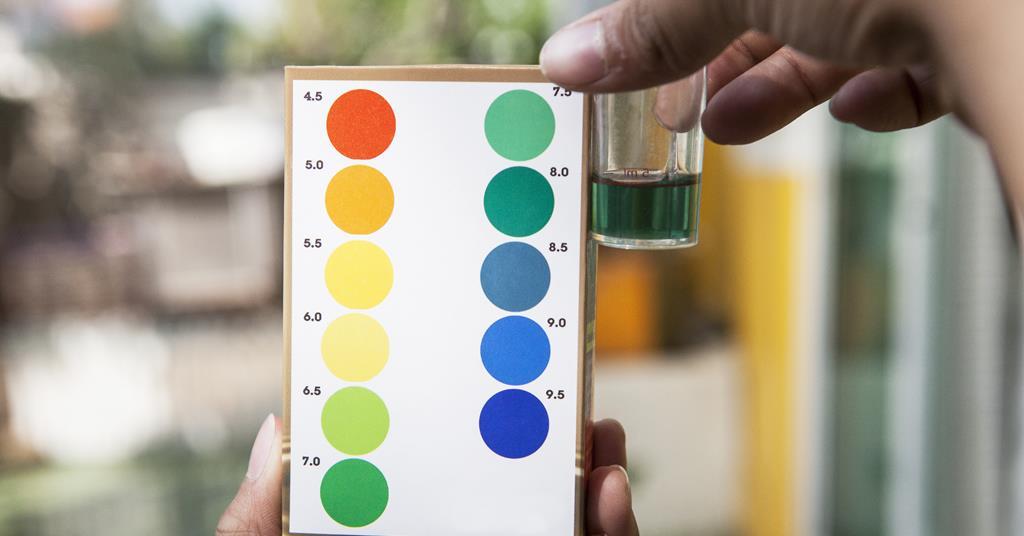
Grab some pH test strips from your local pharmacy or online—they’re cheap, like five bucks for a month’s worth. First thing in the morning, before you even brush your teeth or sip your coffee, test your urine or saliva.
Saliva is for quick trends; urine is better for a full-body snapshot. A healthy range is between 6.5 and 7.5 for urine. If you’re below 6.0, your system might be crying for a little alkaline TLC.
Pro tip: Don’t test right after you eat a bag of sour gummy worms. That’s just masochistic science.
The Lemon Paradox
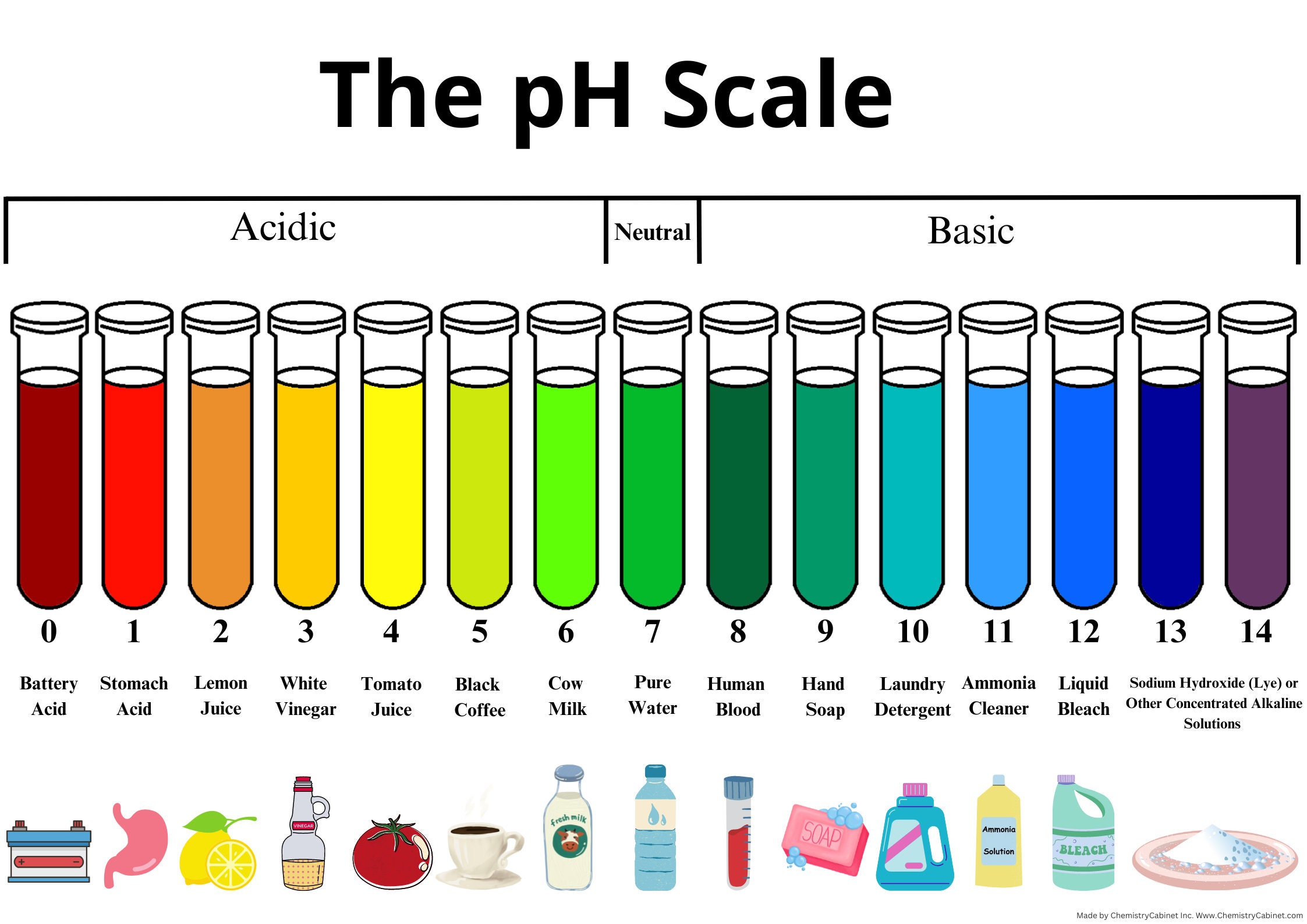
Here’s a fun fact that will make you sound smart at brunch: Lemons are acidic outside your body, but alkaline inside. Once metabolized, they leave a mineral-rich, pH-balancing ash.
This is the magic of the “lemon water in the morning” trend—it’s not a myth, it’s chemistry. Your body isn’t a static pool; it’s a dynamic system that processes foods into either acidic or alkaline residues.
So, the test isn’t just about what you eat, but how your body breaks it down. And yes, that slice of sourdough can throw you off more than a glass of orange juice.
 Ph Scale Chart Print | PDF Download | Chemistry for Classroom | Acid
The Lifestyle Test: Before You Strip
Before you even buy the strips, ask yourself: How do I feel after meals? If you’re crashing like a toddler after a birthday party, you might be riding the acid wave.
Typical signs of an acidic vibe include: heartburn, low energy, brain fog, and that “I ate a brick of cheese” feeling. These aren’t just random—they’re often linked to a diet heavy in processed foods, sugar, and too much coffee.
Try the “two-hour rule”: after you eat, do you feel energized or sluggish? That’s your body telling you whether you’re in the alkaline zone.
The Morning Ritual Test
Here’s a fun little experiment: wake up, and don’t eat or drink anything for 30 minutes. Then, check how your mouth tastes. A metallic or sour taste can indicate excess acidity.
Now, sip a glass of warm water with a squeeze of lemon or a pinch of baking soda. Wait 20 minutes, and re-test with a strip. If your pH jumps by 0.5 or more, you’re a candidate for balancing your diet.
It’s like a mini adventure—you’re the scientist and the subject. Fun fact: Baking soda (sodium bicarbonate) is a classic alkalizer, but don’t chug it daily; that’s for emergency heartburn, not a lifestyle hack.
What Your Results Actually Mean
Don’t panic if your strip reads a 5.5. That’s not a diagnosis of doom; it’s a data point. Your body’s pH fluctuates throughout the day based on exercise, stress, and even your mood.
Chronic low pH (below 6.0 for days) might encourage you to add more greens, less sugar, and maybe swap that triple-shot espresso for a matcha latte. But a one-off reading? That’s just your body being spicy.
If you’re curious, track it for a week. Write down your readings alongside what you ate and how you slept. Patterns will emerge, and you’ll feel like a wellness detective.
 Premium Vector | Ph value scale chart for acid alkaline solution test
Cultural Wisdom Meets Science
In Traditional Chinese Medicine, acidity is linked to “heat” in the body—too much fire, not enough water. In Ayurveda, it’s an imbalance of Pitta dosha, often soothed with cooling foods like cucumber and coconut.
Western science just calls it “metabolic acidosis,” but the wisdom is the same: balance is key. Instead of shocking your system with a green juice cleanse, try adding one alkaline food to each meal.
Think: avocado toast with arugula, not a plastic-wrapped energy bar. It’s the little shifts that make the biggest difference.
Practical Tips for Daily Glow
Start your day with a glass of warm lemon water. It’s cheap, easy, and sets a gentle tone. For lunch, swap the soda for sparkling water with a splash of lime.
Add a handful of spinach to your smoothie—it’s a pH powerhouse. And yes, stress can acidify you faster than a bag of chips, so take a deep breath before you test.
Remember: hydration is your pH’s best friend. Water dilutes acids and helps your kidneys flush them out. Aim for half your body weight in ounces daily.
A Connection to Daily Life
Testing your acidity isn’t about perfection—it’s about paying attention. It’s the difference between reacting to how you feel and proactively shaping how you want to feel.
The next time you grab a coffee or skip the salad, your body is speaking. Those test strips are just a microphone to hear it better. And when your energy lifts, your mind clears, and your skin glows? That’s your answer written in real time.
So go ahead—dip the strip, sip the lemon water, and listen to the little signals. Your body is always whispering. You just need to learn the language.
