How To Remove Arsenic In Water

So, you’ve heard about arsenic in water, and your brain immediately conjures up images of a medieval poisoner cackling over a goblet. Relax, it’s not quite that dramatic, but...

So, you’ve heard about arsenic in water, and your brain immediately conjures up images of a medieval poisoner cackling over a goblet. Relax, it’s not quite that dramatic, but it is something you want to deal with, stat. Arsenic is a naturally occurring (but totally unwelcome) guest in groundwater, and it can sneak into your drinking supply without any taste or smell—like a ninja of bad health. But don’t panic! Removing it is easier than convincing your cat to ignore a cardboard box.
Meet the Usual Suspects: Arsenic’s Two Faces
First, a quick science moment (I promise, no lab coats needed). Arsenic comes in two main forms in water: arsenite (As-III) and arsenate (As-V). Think of As-III as the sneaky, hard-to-catch villain, and As-V as the slightly more cooperative one. Your mission, should you choose to accept it, is to convert As-III into As-V before filtering—like getting the bad guy to take off his invisibility cloak.
Why does this matter? Because most filters are better at grabbing As-V. So pre-treating the water (usually with a little chlorine or a special oxidizer) is often step one. But don’t worry, we’ll cover the actual “how-to” next, so you don’t have to become a chemist overnight.
Must Read
Method #1: The Overachiever – Reverse Osmosis (RO)
If you want the gold standard of arsenic removal, get a reverse osmosis system. This gadget uses pressure to push water through a super-fancy membrane that’s pickier than a vegan at a barbecue. It blocks arsenic, lead, and pretty much anything that isn’t H2O.
The downside? It’s a bit of a water hog—usually wastes 3-4 gallons for every gallon it cleans. But hey, think of it as a water spa that only the purest molecules get to enjoy. Also, you’ll need to install it under your sink, which requires some DIY spirit or a plumber who doesn’t charge like a rockstar.
Pro tip: If your water has low pressure, you might need a booster pump. Don’t worry, it’s just a tiny water-enthusiast that gives your system a pep talk.
Method #2: The Old Reliable – Distillation
Distillation is basically nature’s own hangover cure, but for water. You boil the water, catch the steam, and then let it condense back into liquid. Since arsenic has a higher boiling point than water, it stays behind like a party guest who didn’t get the “last call” memo.
It’s effective, but slow. You’ll get about a gallon per hour, which is fine for drinking and cooking—not for your epic bubble bath. Also, it uses electricity, so your utility bill might give you a sad face. Still, it’s a reliable, no-fuss method that even your grandma could operate.
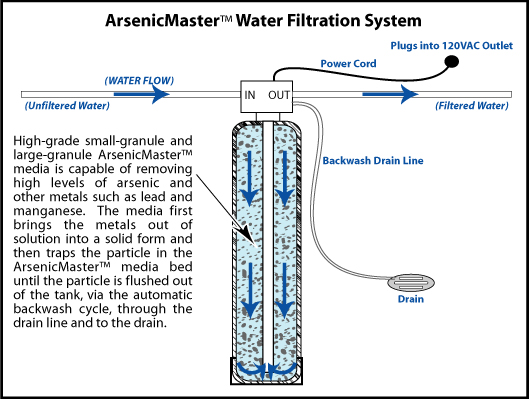 Water Treatment - Safe Air Systems
One weird quirk: Distilled water tastes flat because it’s stripped of minerals. Add a pinch of salt or a slice of lemon for the win—or just let it sit and it’ll absorb air. Water is weird like that.
Method #3: The Unsung Hero – Specialized Filters
Not all filters are created equal. Your standard Brita pitcher is great for making tap water taste less like a swimming pool, but it won’t touch arsenic. You need filters that are certified to remove it—look for ones with “NSF/ANSI Standard 53” for As-V and Standard 58 for RO systems.
Activated alumina filters are a solid choice. They’re like tiny magnets that grab arsenic particles as water flows through. Some whole-house systems use iron-based media, which works even better if you have both iron and arsenic in your water—a two-for-one deal!
Just remember: Replace your filters on time. A clogged filter is like a superhero who forgot to recharge—useless and slightly sad.
The Pre-Treatment Dance (Don’t Skip This!)
Earlier, I mentioned As-III being the sneaky culprit. To catch it, you need an oxidizer—something like chlorine, ozone, or even a little potassium permanganate (sounds scary, but it’s fine). This step turns As-III into As-V, which your filter can then grab. Think of it as giving the villain a neon jacket before the bouncer shows up.
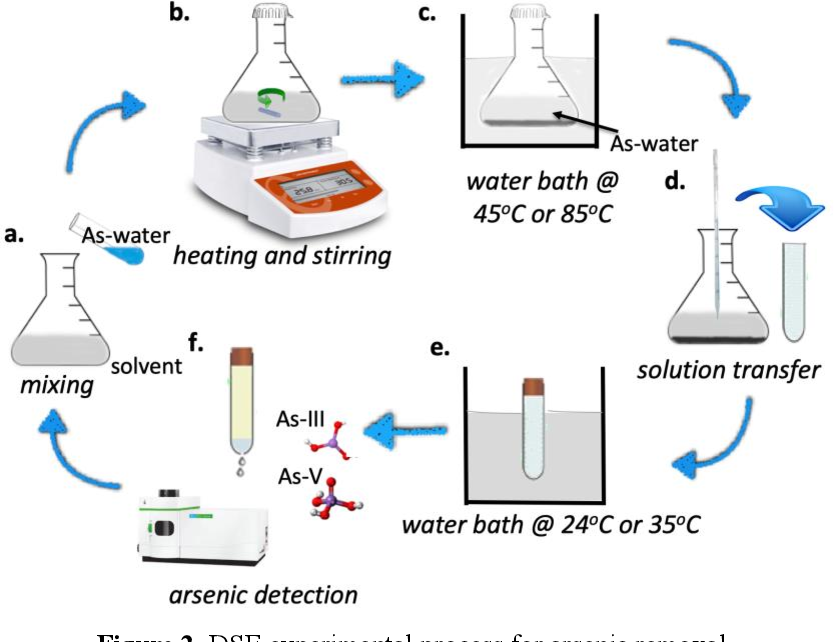 Figure 1 from Direct Arsenic Removal from Water Using Non-Membrane, Low
Some whole-house systems do this automatically, so you can just sit back and sip your poison-free tea. But if you’re using a countertop filter, you might need to add a pre-treatment step. Check the manual—or just call the company and ask like a curious 5-year-old. They’re used to it.
What About Public Water vs. Well Water?
If you’re on city water, your local utility already tests for arsenic and must keep it below the EPA limit of 10 parts per billion. That’s the legal safe level, but some folks are extra cautious. If you’re on a private well, you are the captain of your own water ship—and the regulator. Test your water at least once a year with a certified lab, not a $10 strip from the hardware store.
Fun fact: Arsenic levels can change with the seasons, like your mood during a rainy Monday. So test more than once, okay? It’s cheap insurance against a very sneaky element.
The Cheapest (But Riskiest) Option: Just Boil It?
You might think, “Hey, I’ll just boil my water like I do for pasta!” Stop right there. Boiling actually concentrates arsenic because it removes the water but leaves the nasty behind. It’s the opposite of helpful. So no, you can’t un-poison your water with a kettle. Sorry to burst that bubble—literally.
Uplifting Conclusion (You Made It!)
Here’s the good news: Arsenic is a problem, but it’s a solvable one. Whether you choose a high-tech RO system, a humble distiller, or a smart filter, you’ve got options that won’t require a degree in chemistry or a second mortgage. Once you set it up, you can relax, pour a glass of clean water, and toast to your inner survivalist.
Think of it this way: You’ve outsmarted a toxin that’s been around since the dinosaurs. You’re basically a superhero in sensible pants. So go ahead, take a sip, and smile. Your water is now as pure as your intentions—and way more refreshing. Cheers!
