How To Locate Your Water Meter

There it sits, hidden in plain sight. Right beneath your feet, or possibly behind a prickly bush. Your water meter is a small, unassuming plastic or metal disc that holds the...
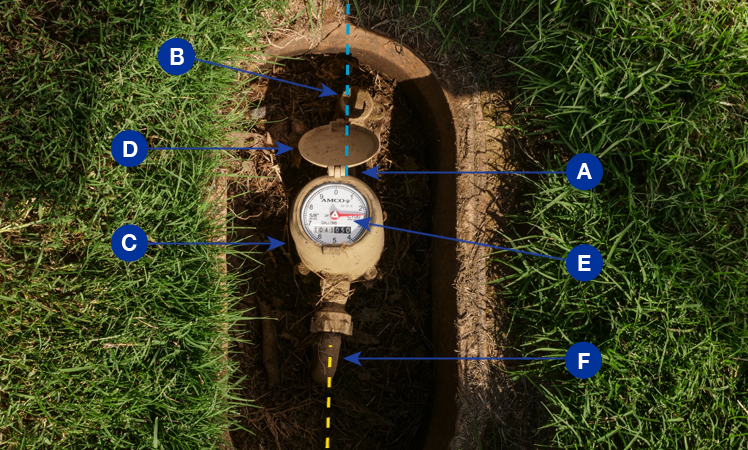
There it sits, hidden in plain sight. Right beneath your feet, or possibly behind a prickly bush. Your water meter is a small, unassuming plastic or metal disc that holds the keys to your utility bill, your plumbing sanity, and surprisingly, a little bit of your home’s history. Finding it is the first step toward becoming a true master of your domain.
Why Bother? You’re Not a Plumber (Yet)
Let’s be honest: most of us ignore our water meter until the bill arrives looking like a small mortgage payment. But locating it now—before a crisis—is a power move. It lets you quickly shut off the water during a burst pipe or check for sneaky leaks.
Think of it as your home’s pulse. If you can find your pulse, you can check your health. If you can find your meter, you can check your home’s hydration status. Plus, it’s a fun party trick to show friends who think you are hopelessly un-handy.
Must Read
Step One: The Indoor Safari
Not all meters live outside. In warmer climates or in apartment buildings, they often reside inside. Start your search in the basement, crawl space, or utility closet near the main water line coming into the house.
Look for a pipe that enters the wall or floor, usually through a concrete slab. The meter will be attached to that pipe, often in a box or mounted on a bracket. It looks like a small, circular gauge with numbers—think of it as a tiny speedometer for your water usage.
Fun fact: The first domestic water meters were installed in the UK in the 1850s. They were massive iron boxes. You’re lucky yours is the size of a dinner plate.
Step Two: The Outdoor Treasure Hunt
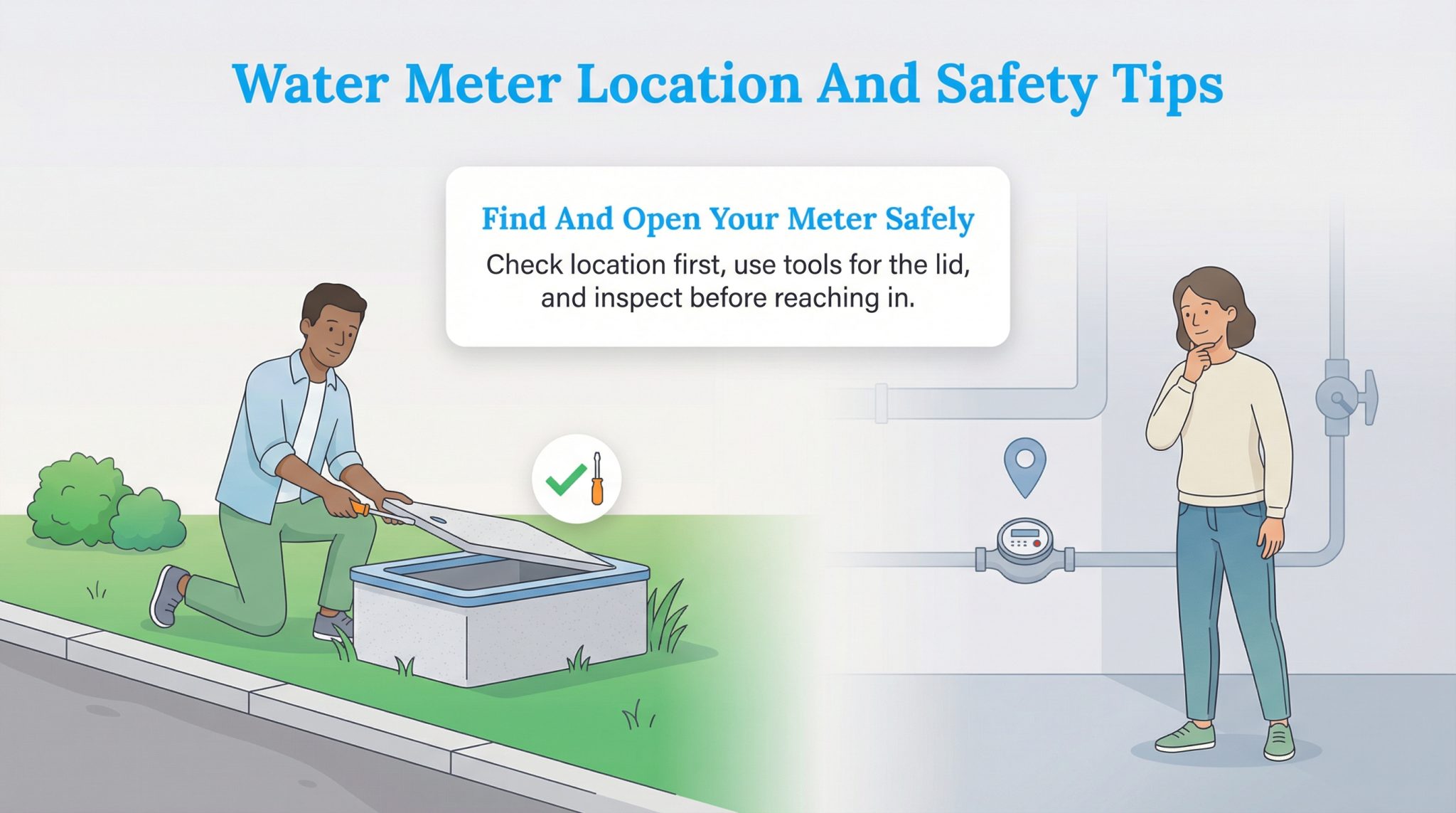
If you have a detached house with a front yard, it’s time to channel your inner archaeologist. Your meter is usually between the sidewalk and the street, near the property line. Look for a round or rectangular metal lid in the grass or pavement.
The lid might say “WATER” or have a utility symbol. You won’t need a shovel—just a screwdriver or a key to pop the lid open. If you can’t find it, check near the driveway or your neighbor’s similar spot.
 How to Read a Water Meter: The Complete Guide to Tracking Usage and
Practical tip: Use a flashlight to look inside before you stick your hand in. Spiders and frogs love these dark, damp homes. You’ve been warned.
Step Three: The Deceptive Modern Meter
Some new homes have remote-read meters mounted on an exterior wall, often near the electrical panel. These look like a small gray box with a digital display. If you find one, you’ve already won—just press the button to cycle through readings.
Old-school meters have a dial with sweep arms and odometer-style numbers. They spin when water runs, which is oddly satisfying to watch. Take a moment to admire the engineering; it’s the unsung hero of your morning shower.
Cultural note: In Japan, some water meters feature tiny painted eyes to make them feel like friendly guardians. Yours might not have eyes, but it certainly has your back.
Practical Tips for the Win
Once you locate it, record the serial number and take a photo. This helps if you need to report a problem or confirm your bill. Also, check if the lid is stuck. Use a gentle prying motion, not a crowbar.
Learn to read the meter—usually a series of white and black numbers on white background, or a digital readout. The black numbers are gallons used. White numbers are fractions. Easy, right? You’ve now achieved plumber-adjacent status.
 How to Find & Read Your Water Meter Types | 1-Tom-Plumber
If your meter is in a pit, make sure it’s clear of dirt and debris. A clean meter is a happy meter. And a happy meter means fewer surprises on bill day.
The Leak Test: Your Superpower
Now for the real fun: turn off all water in your house—faucets, washing machine, ice maker, everything. Then look at the meter. If the dial or sweep arm still moves, you have a leak somewhere. This is the magic of the water meter—it never lies.
A single drop per second wastes over 3,000 gallons a year. That’s enough water for 180 showers. Finding and fixing a leak can save you enough cash for a nice dinner out. Or at least a fancy coffee for a month.
Pop culture reference: In the movie The Money Pit, Tom Hanks’s character would have saved his sanity if he’d just checked his meter. Don’t be Tom Hanks in that scene.
A Short, Reflective Conclusion
Finding your water meter is more than a chore—it’s a quiet act of self-reliance. It connects you to the invisible network that keeps your life flowing: clean water, sanitation, and comfort. You are now the steward of that small, humble device.
So next time you’re walking your yard or passing the sidewalk, give that little lid a nod. It’s not just a meter. It’s a reminder that the most important things are often hidden just out of sight, patiently waiting to be discovered. And you, brave homeowner, have found it.
