Why Does Warm Water Taste Bad

You know that moment. You wake up in the middle of the night, parched, your mouth feeling like the Sahara desert. You grab the glass of water you left on your nightstand, take...
You know that moment. You wake up in the middle of the night, parched, your mouth feeling like the Sahara desert. You grab the glass of water you left on your nightstand, take a big gulp… and instantly regret everything. Why does warm water taste so terrible? It’s a mystery that has ruined countless midnight sips. Let’s dive into this lukewarm enigma together—no judgment.
It’s Not Your Imagination, It’s Science
First off, you’re not crazy. Warm water really does taste different. Our taste buds are like picky little food critics, and temperature is their favorite complaint. When water is cold, it numbs your taste receptors, making it taste crisp and refreshing—like a high-five for your tongue.
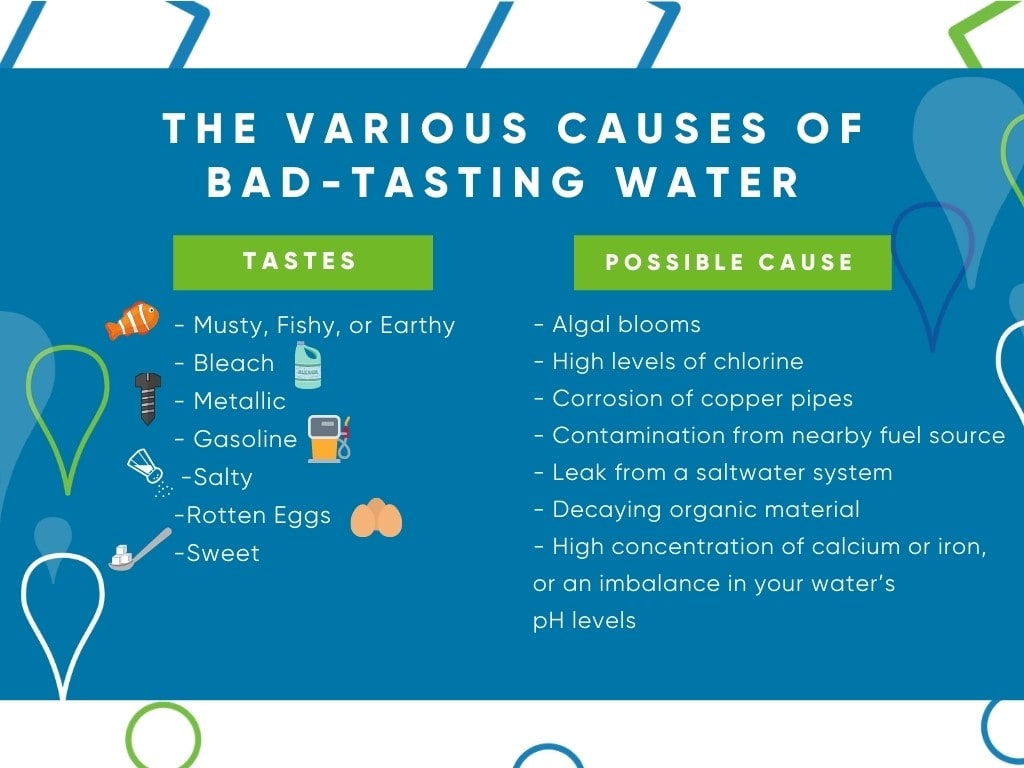
But when that same water gets warm, your taste buds wake up and start noticing things. They pick up on minerals, like calcium or magnesium, that were hiding in the cold. Suddenly, your “pure” water tastes like a cheap hotel swimming pool that’s been sitting in the sun.
Must Read
Your Nose Knows (And It’s Gross)
Here’s where it gets weird. A huge part of taste is actually smell. Warm water releases volatile compounds that cold water locks up tight. Think about it: have you ever sniffed a warm glass of tap water? It smells faintly of damp basement, or maybe a forgotten sponge.
That smell is real—it’s bacteria and dissolved gases throwing a little party in your glass. Cold water keeps that party quiet. Warm water rolls out the red carpet, and your nose crashes it. Your brain then sends a clear message: “Abort mission. This is not refreshing.”
The Chemistry of Yuck
Let’s get technical for exactly one sentence. Water’s pH level can shift slightly with temperature, and warmer water can hold fewer dissolved gases like carbon dioxide, which changes its mouthfeel. Translation? Cold water feels alive and bubbly; warm water feels flat and dead, like it’s given up on life.
Also, if your water has been sitting out, it’s been collecting dust. And maybe a brave dust bunny. Warmth speeds up chemical reactions, so any chlorine from your tap water becomes more noticeable. That pool taste? It’s chlorine’s evil twin, chlorine on steroids.
 KDF Filter Media – What It Is & How It Works (2025 Updated)- QWL
We’re Evolutionary Snobs
Believe it or not, hating warm water might be a survival instinct. Our ancestors learned that still, warm water in a pond was often full of nasty bacteria and pathogens. Cold, moving water (like a mountain stream) was safe to drink. So your brain is basically screaming, “Bro, that’s what sick water tastes like!”
You’re not picky; you’re evolved. Your disgust is just your ancestors being overprotective. Thanks, great-great-grandpa, for making my room-temperature water taste like regret. Really appreciate it.
But Wait—There’s Hope
Not all warm water is a crime against humanity. Tea, coffee, and hot soup are all hot water-based, and they’re delicious. That’s because they have flavor bouncers—tannins, acids, and fats—that kick out the gross taste. Plain warm water is just naked and vulnerable.
So if you’re forced to drink warm water (like during a power outage or a camping trip), add a slice of lemon or a splash of juice. It tricks your brain into thinking this is a drink, not a punishment. Or just wait until it’s cold again. Your tongue will forgive you.
 Plastic Taste in Electric Thermo Pots: Causes & Prevention Guide
The Midnight Sip Survival Guide
Here’s my foolproof plan: Keep a thermos of ice water by your bed. Or invest in a fancy insulated cup. Never trust a glass that’s been sitting out for more than an hour. It’s not water anymore; it’s a temperamental situation.
And if you do accidentally chug warm water? Spit it out. No shame. Your taste buds are doing their job. Give them a high-five (with cold water, please).
So, why does warm water taste bad? Because it’s lonely, flat, and reminds us of dusty pipes and forgotten science experiments. But here’s the uplifting part: You are not broken. Your hatred of warm water is a sign of a properly functioning nose, a healthy survival instinct, and a finely tuned palate that knows when a drink has missed its calling.
Next time you sip that lukewarm horror, just smile. You’re a sophisticated biological machine rejecting subpar hydration. And remember—cold water is waiting. It always is. Crisp, clean, and ready to make you forget that warm water ever existed. Cheers to your excellent taste!
