Why Does Water Have A Ph Of 7

Okay, let’s talk about water. The stuff we drink, bathe in, and splash around in. You’ve probably heard that water has a pH of 7. It’s like a weird, universal fact everyone ju...

Okay, let’s talk about water. The stuff we drink, bathe in, and splash around in. You’ve probably heard that water has a pH of 7. It’s like a weird, universal fact everyone just accepts. But why? Why is it the “neutral” one?
First, a quick confession. Pure water doesn’t always have a pH of exactly 7. Shocking, I know. It’s more of a perfect ideal, like a unicorn. Real water? It’s a bit messier.
Let’s start with the chemistry stuff. You remember H₂O, right? Two hydrogen atoms, one oxygen. They’re holding hands in a very stable molecule. But even stable molecules get a little rebellious.
Must Read
Here’s the wild part. A tiny number of water molecules spontaneously break apart. It’s called autoionization. One water molecule steals a proton from another. Drama, even at the molecular level.
This creates two special ions. One is called H⁺, which is a hydrogen ion. The other is called OH⁻, which is a hydroxide ion. Think of them as the acid and base twins.
Now, pH is just a fancy way to count those H⁺ ions. The “p” is for “potential,” and the “H” is for hydrogen. So pH = potential of hydrogen. Fancy, right? Pure math and science.
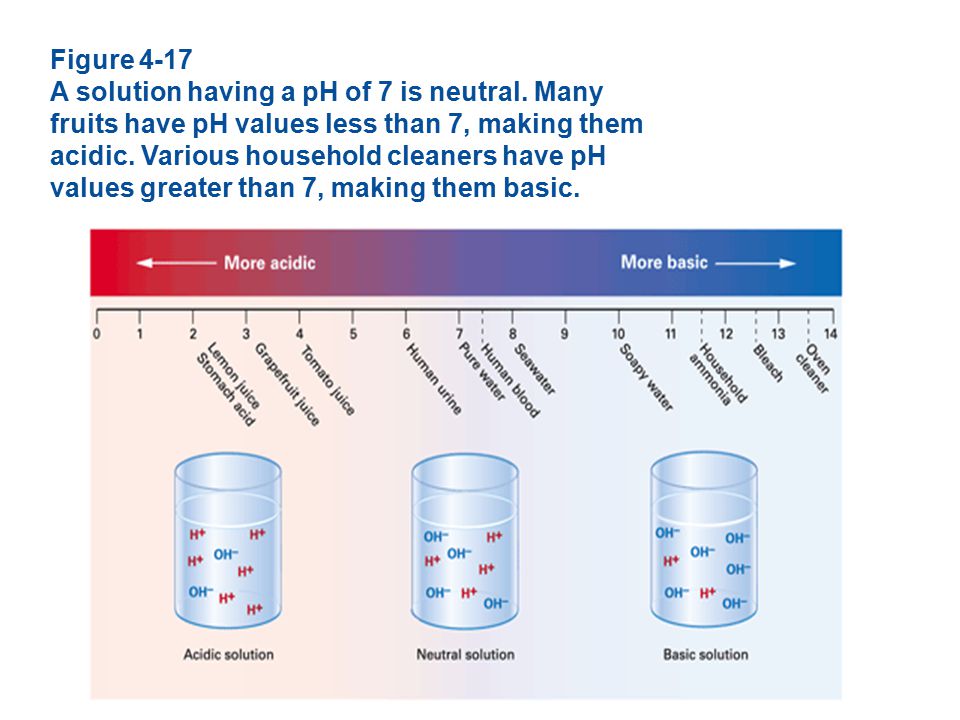
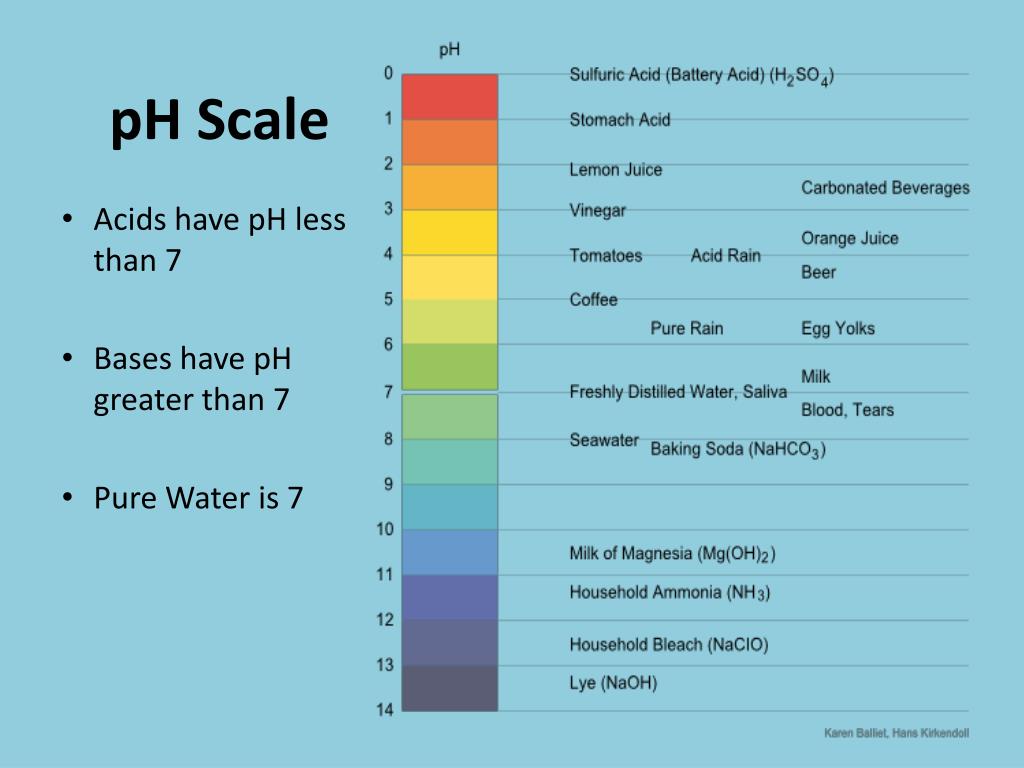
The scale goes from 0 to 14. Lower numbers mean more H⁺ ions (acidic). Higher numbers mean more OH⁻ ions (basic). And the magic number 7? That’s when they’re equal. Perfect balance.
The Magic of Balance
So why is water’s pH 7? Because pure water makes exactly the same number of H⁺ and OH⁻ ions. It’s like a cosmic seesaw. Neither side wins.
Think of it as a perfectly peaceful protest. Both ions show up in equal numbers. No yelling, no fighting. Just a silent, neutral equilibrium.
If you add lemon juice (acidic), you tip the scale. More H⁺ ions appear. The pH drops. Suddenly, water isn’t neutral anymore. It’s sour and reactive.
 Properties of Water. - ppt video online download
If you add baking soda (basic), you tip the other way. More OH⁻ ions. The pH rises. Now it’s bitter and slippery. Water is a total chameleon.
Why 7? Why Not 6 or 8?
Great question, coffee buddy. It’s because the math behind pH is a logarithmic scale. Don’t let that word scare you. It just means each number is ten times different from the next.
At pH 7, the number of H⁺ ions is exactly 0.0000001 moles per liter. That’s a 1 with seven zeros in front of it. It’s a tiny, tiny amount. But it’s consistent.
If water had a pH of 6, it would have ten times more H⁺ ions. That would make it slightly acidic. And water is not naturally acidic on its own. It’s a pure, neutral blank slate.
Another reason? Temperature messes with things. Ice-cold water has a pH slightly above 7. Boiling hot water? It drops to around 6.5. But we still call 7 the standard because of room temperature.
The “Neutral” Illusion
Here’s the funny part. “Neutral” doesn’t mean “boring.” Pure water is incredibly reactive. It’s the universal solvent. It dissolves almost everything.
But without any dissolved impurities, it’s just H⁺ and OH⁻ in perfect harmony. That’s why we call it neutral. It’s the baseline for all chemical reactions.
 PPT - Unit 7 Acid/Base Chemistry and Chemical Reactions PowerPoint
Your body? It loves a pH of about 7.4. That’s slightly basic. Your stomach acid? That’s around pH 2. Very acidic. Water is the middle ground we compare everything to.
So when someone says “water has a pH of 7,” they’re really saying “pure water is the starting point of the acid-base universe.” It’s the zero on a number line. The protagonist of the story.
But… What About Tap Water?
Oh, tap water is a different beast. It’s full of minerals like calcium and magnesium. It’s also got chlorine and who knows what else. Tap water usually has a pH between 6.5 and 8.5. Not exactly 7.
Rainwater? It’s slightly acidic because it absorbs carbon dioxide from the air. That forms carbonic acid. So rainwater’s pH is around 5.6. Totally natural, but acidic.
Distilled water is the closest we get to the magical 7. But even distilled water pulls CO₂ from the air. Leave it open for a few hours, and its pH drops. Annoying, right?
So pure water’s pH of 7 is a theoretical perfection. It’s a beautiful idea. But in the real world, water is always picking up hitchhikers.
Don’t believe the hype about “alkaline water” having a pH of 9 or 10. That’s fine for some people, but it’s not natural. Pure water is neutral. Period.
And hey, if you’re drinking water that’s exactly pH 7, you’re drinking a scientific unicorn. A perfectly balanced, self-ionizing, beautifully boring liquid. Cheers to that.
