What Does A Water Softener Do

So, you’ve heard the term “water softener” thrown around, and you’re picturing some kind of spa day for your plumbing. Maybe you imagine tiny rubber duckies getting gentle mas...

So, you’ve heard the term “water softener” thrown around, and you’re picturing some kind of spa day for your plumbing. Maybe you imagine tiny rubber duckies getting gentle massages inside your pipes. Let me stop you right there. A water softener is actually a glorified, hardworking magic box that saves your appliances from a slow, chalky death.
You see, not all water is created equal. Some water is “hard,” which sounds tough and heroic, but in reality, it’s just mean. Hard water is loaded with calcium and magnesium—minerals that hitched a ride as rain filtered through rocks. Think of them as microscopic, clingy tourists who refuse to leave your showerhead.
The Horrifying Truth About Hard Water
Hard water is the reason your dishes come out of the dishwasher looking like they have a permanent case of dandruff. It’s why your coffee maker develops a crust that looks like a science experiment gone wrong. And it’s the silent assassin behind your water heater burning through energy like a teenager through a bag of chips.
Must Read
But the worst part? Hard water attacks your hair and skin. It leaves a residue that makes your shampoo feel like sad glue, and your soap turns into a weird, scummy paste. You follow up each shower feeling like you’ve been shrink-wrapped in chalk. Fun times, right?
Enter the Hero: The Water Softener
A water softener is essentially a mineral ninja. It uses a process called ion exchange—fancy science talk for “swap meet.” Inside its tank are thousands of tiny resin beads that are absolutely loaded with sodium ions. When hard water flows through, the calcium and magnesium cling to those beads, and the beads release a little sodium in exchange.
You know how a bouncer at a club kicks out the rowdy drunk guys and lets in the polite ones? That’s exactly what’s happening. The rowdy calcium dudes get trapped, and the chill sodium dudes get free passes into your faucet. The result? Magically soft water that feels like silk and leaves your dishes spotless.
But Wait—Should You Drink This Stuff?
Here’s where it gets weird. The softened water now has trace amounts of sodium—about as much as a slice of white bread per glass. For most people, that’s nothing to worry about. But if you’re on a strict low-sodium diet, you might want to install a separate drinking water tap. Or just embrace the irony: you’re trading rock-hard water for slightly salty water. Welcome to adulthood.
 Water Softeners | Midwest Smart Water Solutions
A surprising fact: water softeners don’t actually remove anything dangerous. They don’t filter out bacteria, lead, or pesticides. They’re purely cosmetic and protective. Think of them as the plastic screen protector on your phone—not sexy, but it saves you from a cracked screen and a thousand tiny regrets.
The Salt Reincarnation Cycle
Eventually, those resin beads get so full of calcium and magnesium that they tap out. The softener then does something called regeneration. It flushes the beads with a salty brine solution, which blasts the calcium off and sends it down the drain. Then the beads are fresh and ready for another round.
This process sounds like a workout, and it is—your softener will usually recharge in the middle of the night, which is why you might hear weird gurgling sounds at 3 AM. Don’t panic. It’s not a ghost. It’s just your water softener doing its laundry.
The Real Cost of Hardness
Let’s talk money, because that’s what really gets grown-ups’ hearts racing. Hard water can cut your water heater’s lifespan by 50%. Every inch of scale buildup makes your heater work harder, which means your electricity bill climbs like a squirrel up a fire escape. Over a decade, you could be wasting hundreds of dollars in energy costs alone.
Worse: your washing machine, dishwasher, and faucets all die sooner. The average family spends an extra $300-500 per year on repairs and energy due to hard water. A water softener typically costs that much to install, then recoups the investment in two years. It’s basically a financial superhero that also makes your bathwater feel like a luxury hotel.
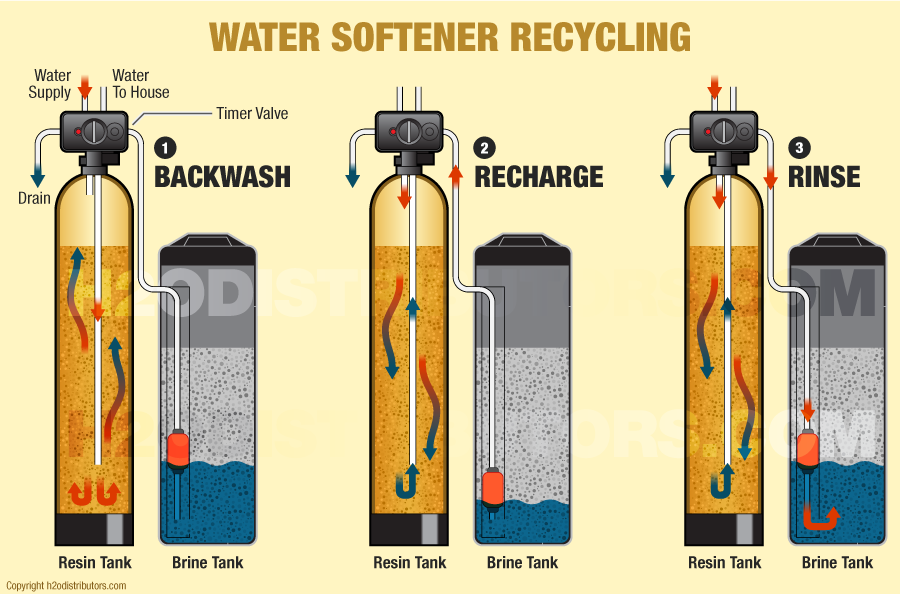 How Does A Water Softener Work Step By Step | Detroit Chinatown
One Weird Trick to Check if You Need One
Do this: grab a clear glass, fill it with tap water, and add a few drops of dish soap. Shake it. If you get a million fluffy bubbles, your water is likely soft. If you get a sad, flat film with wimpy bubbles that disappear instantly? Congratulations, you have hard water! Also, check your showerhead for white crust—that’s the mineral equivalent of a crime scene.
Another test: wash a load of dark clothes. If they come out stiff and with weird white streaks, that’s hard water residue. It’s not detergent failure—it’s mineral jackassery. Time to call a plumber.
The Final Verdict: Is It Worth It?
Look, a water softener isn’t as exciting as a robot vacuum or a pizza oven. But it’s like a friend who quietly does your dishes while you nap. You won’t notice it until you try to go back to hard water, and then you’ll weep into your crusty mug. Your skin will scream, your pipes will clog, and your coffee maker will stage a revolt.
If you live anywhere that has tap water tasting like solid expectation, invest in one. Your hair will thank you. Your water heater will thank you. And you’ll finally understand why people in soft-water towns look so annoyingly smooth and relaxed. It’s not good genetics—it’s chemistry, baby.
So go forth, spread the word, and next time someone asks, “What does a water softener do?” you can tell them: it’s the unsung hero of your home, fighting a microscopic war so you can enjoy a squeaky-clean shower. Just don’t forget to buy salt refills. That’s the price of softness—and of not having your pipes turn into a limestone cave.
