What Does A Hosepipe Ban Mean

You’re halfway through watering your petunias on a balmy July evening when you notice the water pressure drop. A neighbour shouts over the fence: “It’s the hose ban, mate.” Yo...

You’re halfway through watering your petunias on a balmy July evening when you notice the water pressure drop. A neighbour shouts over the fence: “It’s the hose ban, mate.” Your first thought is panic. Your second is, “Wait, can I still wash the car for the weekend?”
The Big Chill on the Hosepipe
A hosepipe ban, officially called a Temporary Use Ban, is the water company’s way of saying, “We’re running low, so please stop acting like you’re in a water fight from The Inbetweeners.” It’s a legal restriction that stops you from using a hosepipe for non-essential tasks. That includes watering your garden, washing your car, filling a paddling pool, or cleaning your patio.
Why now? Climate change has made British summers hotter and drier, while our Victorian-era pipes leak like a sieve. The ban usually kicks in after weeks of low rainfall and high demand. Think of it as the water network’s version of a deep exhale.
Must Read
What You Actually Can Do (It’s Not All Doom and Gloom)
Here’s the good news: you are not banned from using water indoors. Showers, baths, flushing the loo, and running the dishwasher are all fine. You can still fill a watering can from the tap and water your plants by hand – just don’t attach that can to a hose.
Hand-washing your car with a bucket and sponge is perfectly legal. It’s also a great arm workout and saves you £12 at the car wash. Plus, it gives you an excuse to blast Grease on the radio while scrubbing the wheel arches.
Fun Fact: The Paddling Pool Loophole
Ever noticed people filling paddling pools with a bucket? That’s not just for nostalgia. The ban applies only to hosepipes, not to containers filled by hand. So yes, you can still splash about – just bring a bit of elbow grease to the party.
Cultural References: The Ban as a British Summer Ritual
Ask anyone over 40 about the Great Hosepipe Ban of 1976, and they’ll tell you tales of dried-up lawns and standpipes in the street. It was so severe that the government appointed a “Minister for Drought.” The summer of 2022 was another scorcher, with bans across Anglian, Yorkshire, and Southern Water regions. It’s almost as British as queuing for ice cream in the rain.
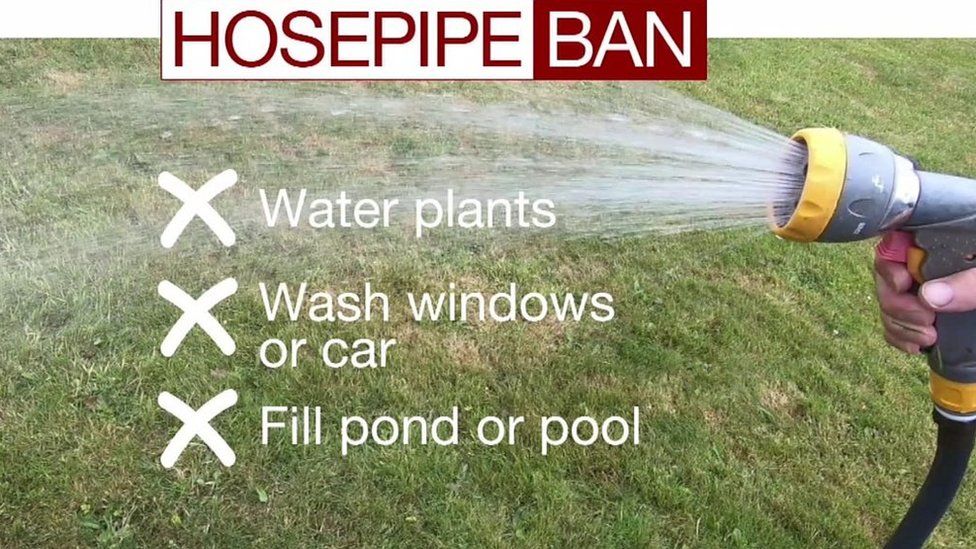 Millions to face hosepipe ban in north-west England - BBC News
In pop culture, the hosepipe ban has become shorthand for that uniquely British mix of inconvenience and resilience. Remember the episode of Peep Show where Mark tries to conserve water by not flushing? Hilarious, but please – do not take that as advice.
Practical Tips to Survive (and Even Thrive) During a Ban
First, install a water butt. It can collect up to 100 litres of rainwater from your roof in a single downpour. That’s enough to water a small garden for a week. Second, use greywater – collect the water from your pasta cooking or your bath (cooled down, please) to hydrate your flowers. They won’t mind the smell of pesto.
Third, water your plants early morning or late evening. Evaporation is lowest then, so every drop goes to the roots. Your neighbours will think you’ve become a super-gardener. Fourth, invest in a rain sensor for your sprinkler system – if you have one. It’ll stop the system from going off during a downpour, which is the gardening equivalent of watching cash go down the drain.
Fun Fact: The Secret Life of Hosepipe Bans
Hosepipe bans have been around since the 1970s, but their legal name changed under the Flood and Water Management Act 2010. In some counties, a breach can land you a fine of up to £1,000. That’s a lot of water – and a lot of regret. Still, most water companies are lenient and issue warnings first.
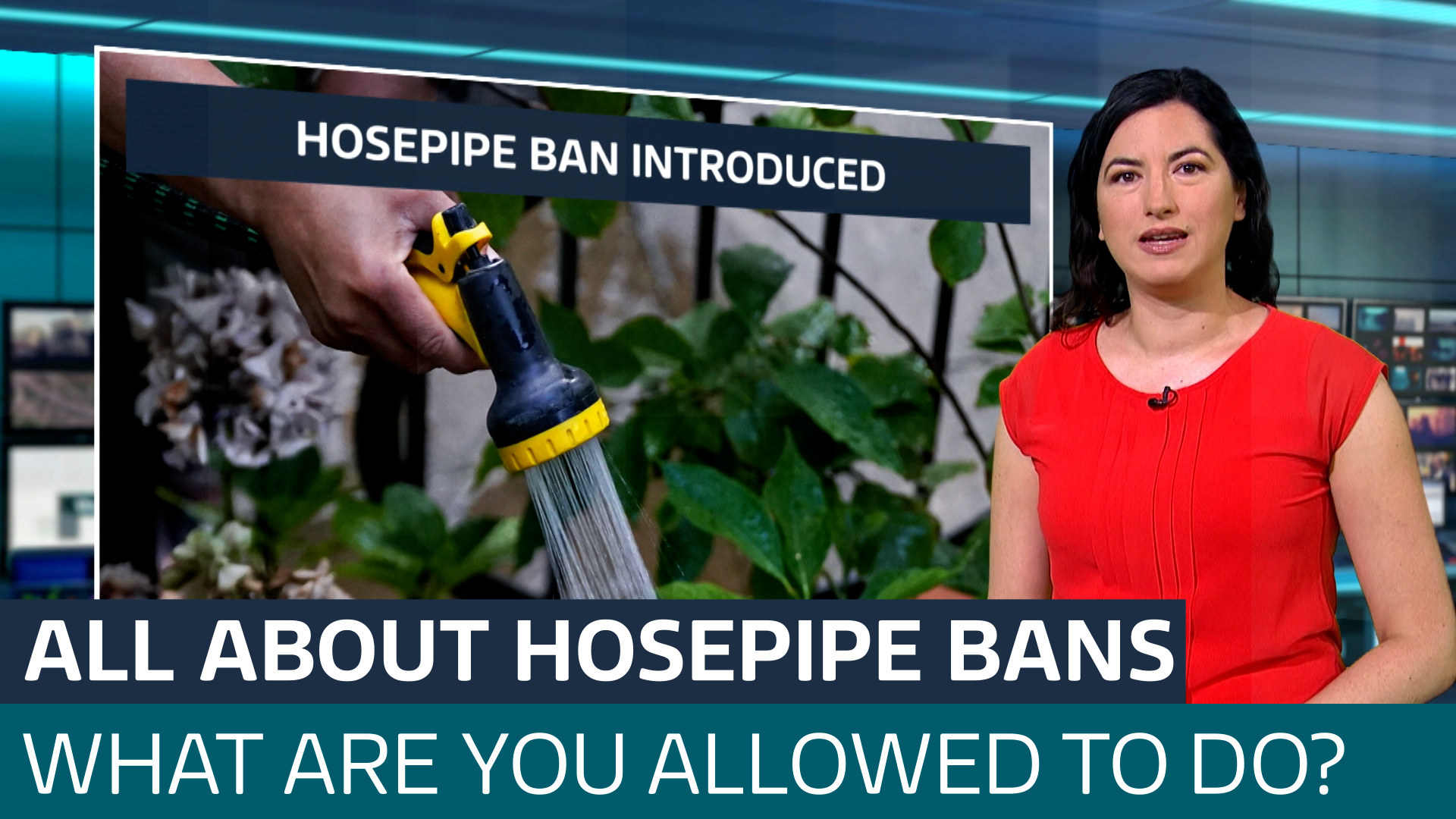 Hose Pipe Ban How Do They Know at Mia Stanfield blog
The Emotional Side: It’s Okay to Feel a Little Thirsty for Convenience
Let’s be honest: a hosepipe ban feels like a little personal setback. You had plans for a gleaming car, a lush garden, and a slip ‘n’ slide for the kids. But here’s the secret – it’s also a moment to slow down. Hand-watering plants is oddly meditative, and bucket-washing the car forces you to notice the paintwork (and that scratch you’ve been ignoring).
Think of the ban as a gentle nudge from the universe to reconnect with the simple act of using water mindfully. It’s not about deprivation; it’s about redirection. And honestly, your lawn will survive a bit of brown – it’s called dormancy, not death. It’ll bounce back greener than ever after the rain returns.
Your Daily Life Reflection
So here you are, standing in your garden, watering can in hand, watching the sunset. The hosepipe hangs limp on the wall – a silent reminder that even the most mundane routines can be upended. But in that quiet, you notice the bees buzzing around your lavender, the way the soil darkens as each splash lands. You’re not just saving water; you’re saving a moment for yourself.
And when the ban lifts (it always does), you might just find you’ve become a little more patient, a little more resourceful, and a lot more grateful for the simple pressure of a tap. After all, the best things in life aren’t really about the hose – they’re about how you choose to flow with the unexpected.
