How Does Ro Water Filter Work

So, you’re thinking about getting an RO filter, huh? Or maybe you’re just staring at that thing under your sink, wondering what magic it’s pulling off. Don’t worry, I’ve got y...
So, you’re thinking about getting an RO filter, huh? Or maybe you’re just staring at that thing under your sink, wondering what magic it’s pulling off. Don’t worry, I’ve got you. Let’s chat about how reverse osmosis water filters work—no chemistry degree required.
First, let’s clear up the name. Reverse osmosis sounds like something from a sci-fi movie, right? But it’s actually just a fancy way of saying we’re forcing water through a super-tiny sieve. Think of it as an extremely picky bouncer at a club. Only the good stuff gets in.
Water normally wants to balance itself out. That’s osmosis. But reverse osmosis? It’s the rebel. It uses pressure to push water against its natural flow. Like convincing a cat to take a bath—it takes some force!
Must Read
The Star of the Show: The RO Membrane
At the heart of every RO system is a thin, spiral-wound membrane. It’s basically a roll of magic plastic with pores so tiny, you could fit a billion of them on a pinhead. We’re talking 0.0001 microns. That’s smaller than a virus. Yeah, put that in your pipe and smoke it.
This membrane acts like a super-fine net. Water molecules squish through, but almost everything else—lead, chlorine, fluoride, arsenic, and even that weird taste from your tap—gets left behind. It’s ruthless. And I love it.
But Wait, There’s More (Sadly, for Your Plumbing)
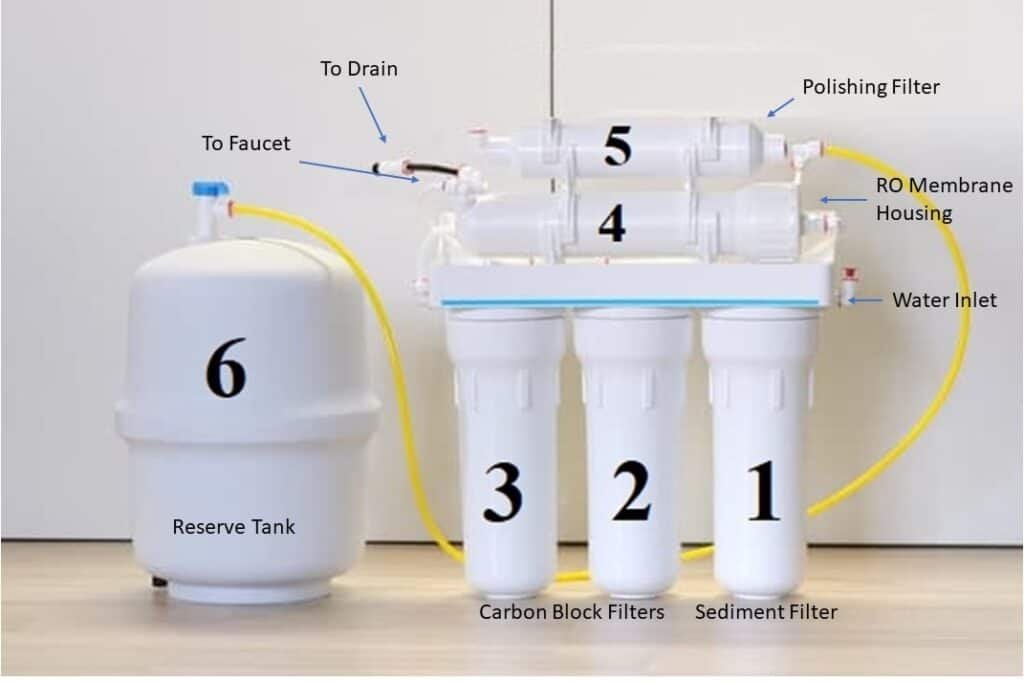
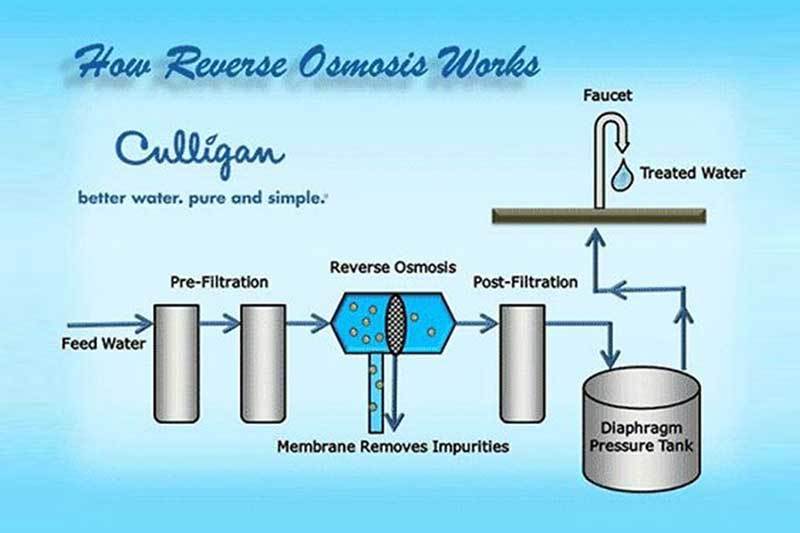
RO isn’t a one-step wonder. It’s actually a multi-stage process. First, water slinks through a sediment filter. This catches big stuff like sand, rust, and your neighbor’s apology notes (just kidding... mostly). Then, it hits a carbon filter that grabs chlorine and funky smells.
Only after all that does water meet the star of the show—the RO membrane. And even then, the system doesn’t stop. After the membrane, water passes through a post-carbon filter to polish off any leftover tastes. It’s like a spa day for your drinking water.
What Happens to the Bad Stuff?
Great question, coffee friend. The RO system flushes it away. As water gets pushed through the membrane, the dirty stuff gets washed down a separate drain line. It’s not stored—it’s evicted.
 Best Water Filters in UAE | Filtersco
This means the system wastes some water. About 3 to 4 gallons of brine (salty reject water) for every gallon of purified water. Not perfect, I know. But newer systems are getting more efficient, like turning a thrifty grandma with a budget.
So don’t freak out. You’re not dumping a swimming pool down the drain. It’s maybe an extra flush or two a day. Worth it for water that’s cleaner than your conscience after confession, right?
Why You Should Care About This Magic
Tap water can be a cocktail of stuff you don’t want. Chlorine, lead, pesticides, microplastics—ugh. A good RO system removes up to 99% of all contaminants. That’s not just marketing hype; that’s real science.
You know that “fresh from a mountain stream” taste? That’s what RO water gives you. Without the actual mountain or the risk of stepping on a pinecone. It’s pure H2O, baby. Just water and water.
But here’s the kicker: RO also removes healthy minerals like calcium and magnesium. Some people worry about this. Honestly? Unless you’re a marathon runner or a plant, you get those minerals from food. Your pizza is doing the heavy lifting.
 What Is Reverse Osmosis And How Does It Work What Is Reverse Osmosis
Is It Worth the Hype?
Let’s be real. RO systems aren’t cheap. They cost anywhere from $150 to $500, plus filter replacements every 6–12 months. But consider this: you’re essentially bottling your own water for pennies a gallon. Goodbye, plastic bottles. Hello, smugness.
Installation is usually a DIY adventure—if you enjoy wrestling with tubes and cursing under a sink. Or you can call a plumber and pretend you’re fancy. No judgment.
And the water comes out slowly. Like a lazy Sunday. You’ll fill a glass in about 30 seconds. Plan ahead if you’re hosting a party, or get a system with a storage tank. They hold 2–4 gallons. Crisis averted.
The Bottom Line (Because I Know You’re Busy)
Reverse osmosis works by forcing water through a super-fine membrane, leaving behind almost everything nasty. It uses pressure, multiple filters, and a splash of science-magic. It’s not perfect—it wastes water and removes minerals—but for pure, clean drinking water? It’s the gold standard.
So, next time you take a sip from that glass, give a little nod to the bouncer under your sink. It’s working hard. And it’s totally okay if you don’t completely understand the chemistry. You don’t need to. You just need to drink up and feel like a genius.
Cheers to that, my friend.
