How Does Water Softening Work

Okay, so grab your mug. Let’s talk about something you probably don’t think about until your shower feels like a sandblaster. I’m talking about hard water. And yes, it’s a thi...
Okay, so grab your mug. Let’s talk about something you probably don’t think about until your shower feels like a sandblaster. I’m talking about hard water. And yes, it’s a thing. Your water is basically a bully.
Hard water is just water loaded with dissolved minerals, mostly calcium and magnesium. It’s not dangerous. You won’t sprout a third arm. But it will wreck your pipes, make your soap sad, and turn your hair into straw. Charming, right?
So, how do we fight back?
Enter the water softener. It’s like a bouncer for your plumbing. The secret sauce? It’s called ion exchange. I know, sounds like a sci-fi movie, but it’s actually pretty simple.
Must Read
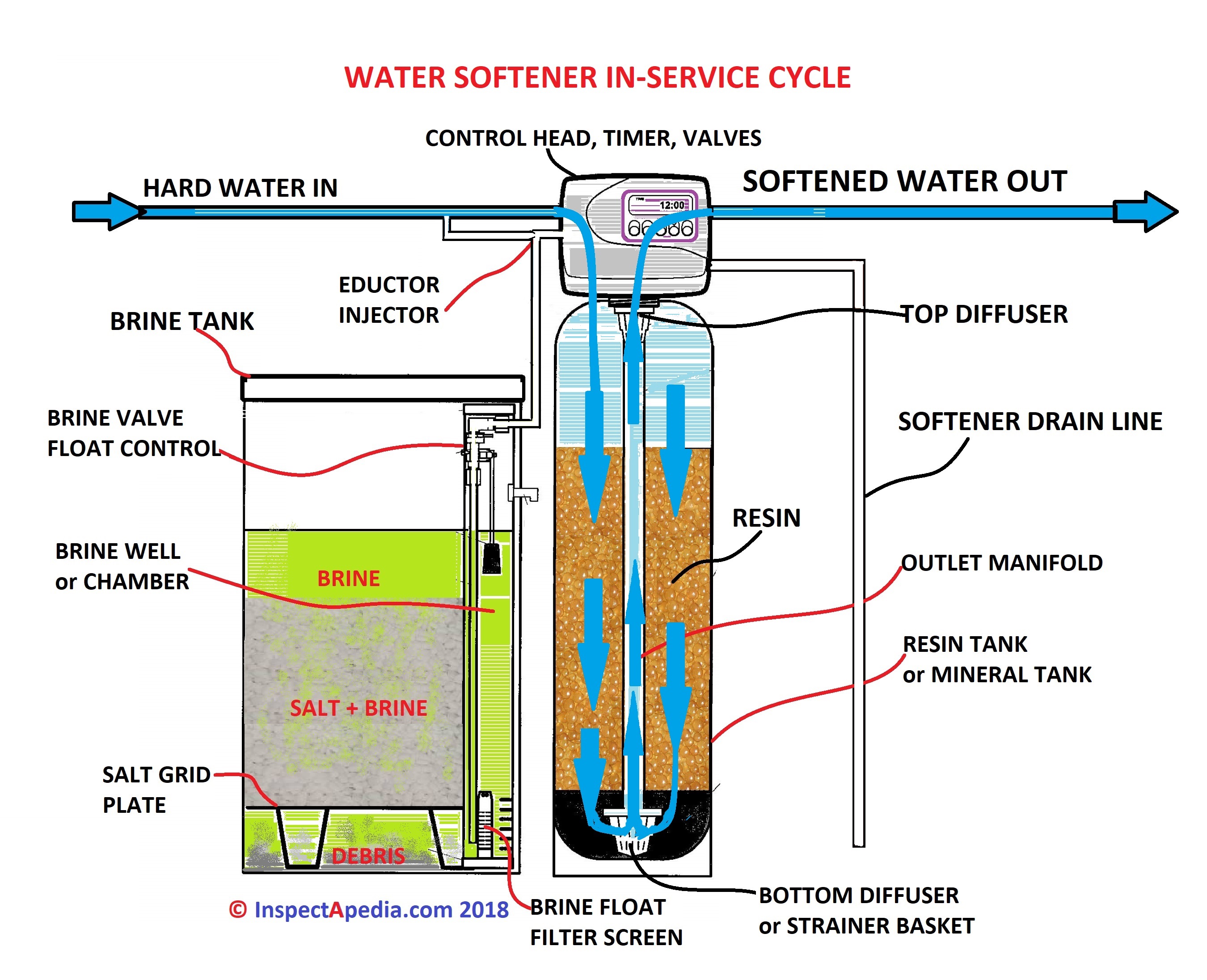
Think of a water softener as a tall tank full of tiny resin beads. These beads are covered in sodium ions. Sodium is nice and slippery. It plays well with soap. Hard water minerals? They’re clingy party crashers.
The Magic Swap
Here’s where the trick happens. When hard water flows over those resin beads, the calcium and magnesium ions yell, “Dibs!” They’re more attracted to the beads than the sodium is. So they kick the sodium off and latch on.
It’s a swap meet. The water leaves the tank with sodium instead of calcium. And now your water is “soft.” You get sudsy lather. Your skin feels like silk. Cha-ching.
But wait—doesn’t that mean salty water?
Good question! Yes, you get a tiny bit more sodium. But we’re talking tiny. Like, less than a slice of bread. If you’re on a strict no-salt diet, you can use potassium instead. But for most of us, it’s a non-issue. You won’t taste it in your coffee, promise.
What about the bad stuff they kicked off?
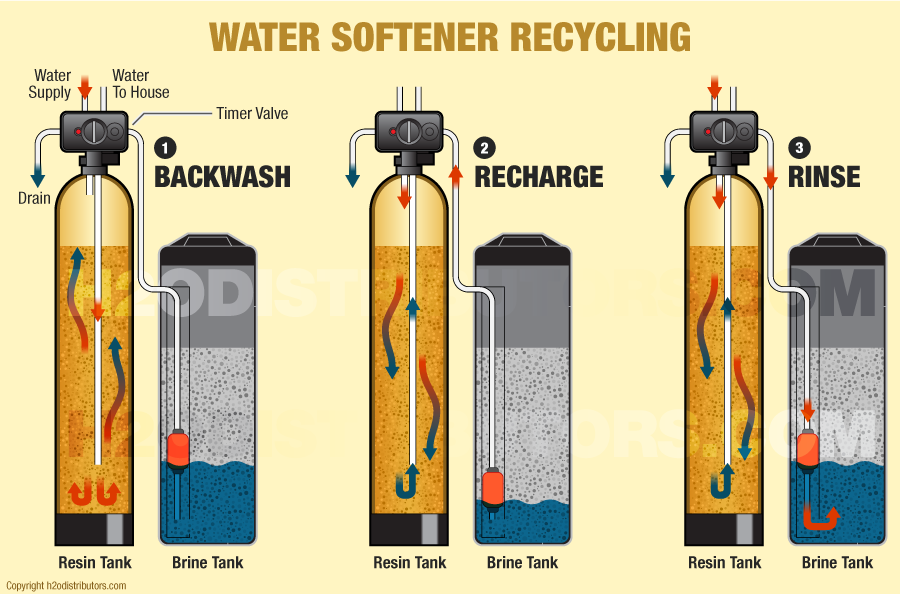
Great catch. The resin beads get full. They become little mineral sponges, dripping with calcium and magnesium. And they need a bath. This bath is called regeneration.
 How Water Softeners Work Diagram Water Softener: Plumbing Water
You’ve probably seen a bag of water softener salt at the store. That’s not for your drinking water. That’s for the tank’s spa day. The system flushes a super-concentrated saltwater solution over the beads.
This brine blasts the calcium and magnesium off the beads. They get washed down the drain. Meanwhile, the beads grab fresh sodium from the saltwater. Like pressing a reset button on your hair dryer.
So, does every house need one?
Not necessarily. If your water tastes great and your soap lathers, you’re probably fine. But if you have white crusty deposits on your faucets (we call that scale), or your dishes look cloudy, you might be a victim. A quick test kit from any hardware store will tell you.
And here’s the kicker: hard water wastes energy. That scale buildup inside your water heater acts like an insulating blanket. The heater has to work harder to heat your water. Your wallet takes a hit.
The Real MVP: The Resin Beads
Let’s give props to those little plastic beads. They’re like tiny, unglamorous heroes. They work 24/7, get covered in gunk, then get scrubbed clean by salt. Respect the bead. Without them, you’d be scrubbing soap scum off your shower door forever.
 Water Softener How They Work | How Does a Water Softener Work? Parts
One thing to watch: the resin beads do wear out after about 10–15 years. If your water starts tasting off again, it might be time for a new tank. But most systems last longer than your car. Unless you drive a Toyota, then it’s a toss-up.
But what about reverse osmosis?
Ah, you’re fancy. Reverse osmosis (RO) is a different beast. It uses a membrane to filter almost everything—including good stuff. RO water can taste flat because it’s so stripped. Most people use a softener for whole-house prevention and an RO filter for drinking water. Peak performance.
Softening alone won’t remove bacteria or heavy metals. It’s not a miracle worker. It’s a specialist. It says, “I handle the calcium and the soap scum. You worry about the germs.”
The bottom line
Water softening is basically a cheat code. It trades two annoying minerals for one friendly one. Your pipes stay clear. Your soap lathers like a shampoo commercial. And your hair doesn’t feel like straw after a shower.
If you live in an area with hard water (and let’s be real, most of the U.S. is a calcium nightmare), a softener is a game-changer. It’s not glamorous. It won’t cook you dinner. But it will make everything that touches water feel a little bit better. Even your toilet will thank you.
So next time you see that box of salt at the grocery store, smile. It’s not for a science project. It’s for your pipes’ spa day. And you deserve soft water. You really do.
