How Much Fluoride Is In Water

You know that little glass of water you gulp down before bed? Or the tap water you use to brew your morning coffee? That liquid has a tiny, invisible guest swimming inside it:...
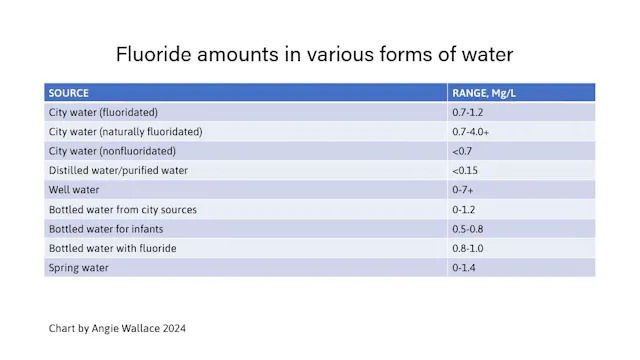
You know that little glass of water you gulp down before bed? Or the tap water you use to brew your morning coffee? That liquid has a tiny, invisible guest swimming inside it: fluoride. It’s a naturally occurring mineral, and it’s been hanging out in rivers, lakes, and groundwater for centuries. But the fluoride in your tap water is often a carefully measured addition, a bit like a pinch of salt in a soup recipe.
So, how much are we talking about? It’s measured in parts per million, which sounds like a spy movie, but it’s really just a tiny fraction. Most public water systems aim for a level around 0.7 parts per million. To put that in perspective, imagine a single drop of food coloring in a large swimming pool. That’s how diluted this is. Your toothpaste, by comparison, has about 1,000 to 1,500 parts per million. So your tap water is playing the quiet, background role.
Why Should You Care About a Drop in the Pool?
Because it’s the unsung hero of your morning smile. Fluoride is like a personal bodyguard for your teeth, helping to rebuild enamel and fight off the sugar monsters from that doughnut you had. Think of your teeth as a fortress. Bacteria and sugar are the raiders, poking holes (cavities). Fluoride is the repair crew that patches those tiny breaches before they become big problems.
Must Read
You might ask, “But isn’t fluoride in my toothpaste enough?” Well, that’s like using a fire hose to water a single houseplant. It’s powerful, but it only works for a moment. Drinking water gives your teeth a constant, gentle mist throughout the day. It’s the background hum of protection, even while you’re on a Zoom call or walking the dog. Communities have seen cavity rates drop by 25% just from this tiny added mineral.
The Sweet Spot: Not Too Little, Not Too Much
Here’s where it gets a little fun, like Goldilocks in a science lab. Too little fluoride, and your teeth are vulnerable to decay. Too much, especially in childhood when teeth are forming, can lead to something called dental fluorosis. That’s just a fancy word for tiny, faint white streaks on teeth. It’s not harmful to your health, but it can be a cosmetic change. That’s why the 0.7 ppm mark is the magic number—the perfect bowl of porridge.
 Water | Oral Answers
Most water systems are incredibly good at hitting this target. Your local water utility tests it daily, like a chef tasting the soup. If you’re on a private well, you’re the chef, and you might need a test kit. Naturally occurring fluoride in well water can vary wildly, from almost zero to levels that are too high. A simple test from a hardware store can save your smile a lot of guesswork.
What About Bottled Water?
Ah, the shiny bottle in your gym bag. Most bottled water contains little to no fluoride, unless the label specifically says “fluoridated.” Many brands use reverse osmosis or distillation, which strip out the mineral. So if you’re a bottle-only drinker, you’re missing out on that silent protection. Your teeth might miss the party.
Same goes for home filters. A basic pitcher filter (like Brita) keeps fluoride in, which is great. But reverse osmosis systems or distillers remove it. If you use one, you might want to ask your dentist if you need a fluoride supplement. It’s a small thing, but your teeth will thank you at your next checkup.
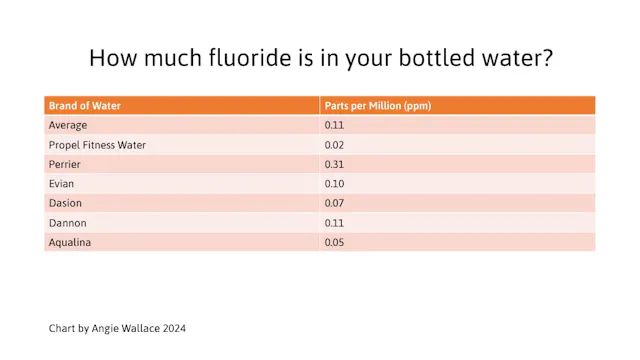 Fluoride: What’s new, what’s not, and what do dental patients need to
A Little Story from the Sink
My neighbor, Mark, used to brush his teeth twice a day, but he had cavities every year. His tap water was from a private well with zero fluoride. After a chat with his dentist, he started using a fluoride mouthwash. Next year? No cavities. He said it felt like his teeth finally had a shield. That’s the difference a tiny mineral can make.
So, the next time you fill a glass from the tap, remember that there’s a tiny champion in there, working a 24/7 shift for your grin. It’s not a science experiment—it’s just a smart, safe habit that humans figured out. Your parents probably grew up with it, and your kids will too. And all you have to do is drink up.
In short: fluoride in water is a gentle, invisible friend. It helps your teeth stay tough against sugar’s sneaky attacks. The amount is carefully controlled. And you get the benefits just by living your normal life. That’s something to smile about.
