What Is A Water Filter System

Let’s be honest: tap water is a gamble. Sometimes it’s crystal clear, sometimes it tastes like a swimming pool, and sometimes it looks like someone brewed tea in a rusty pipe....

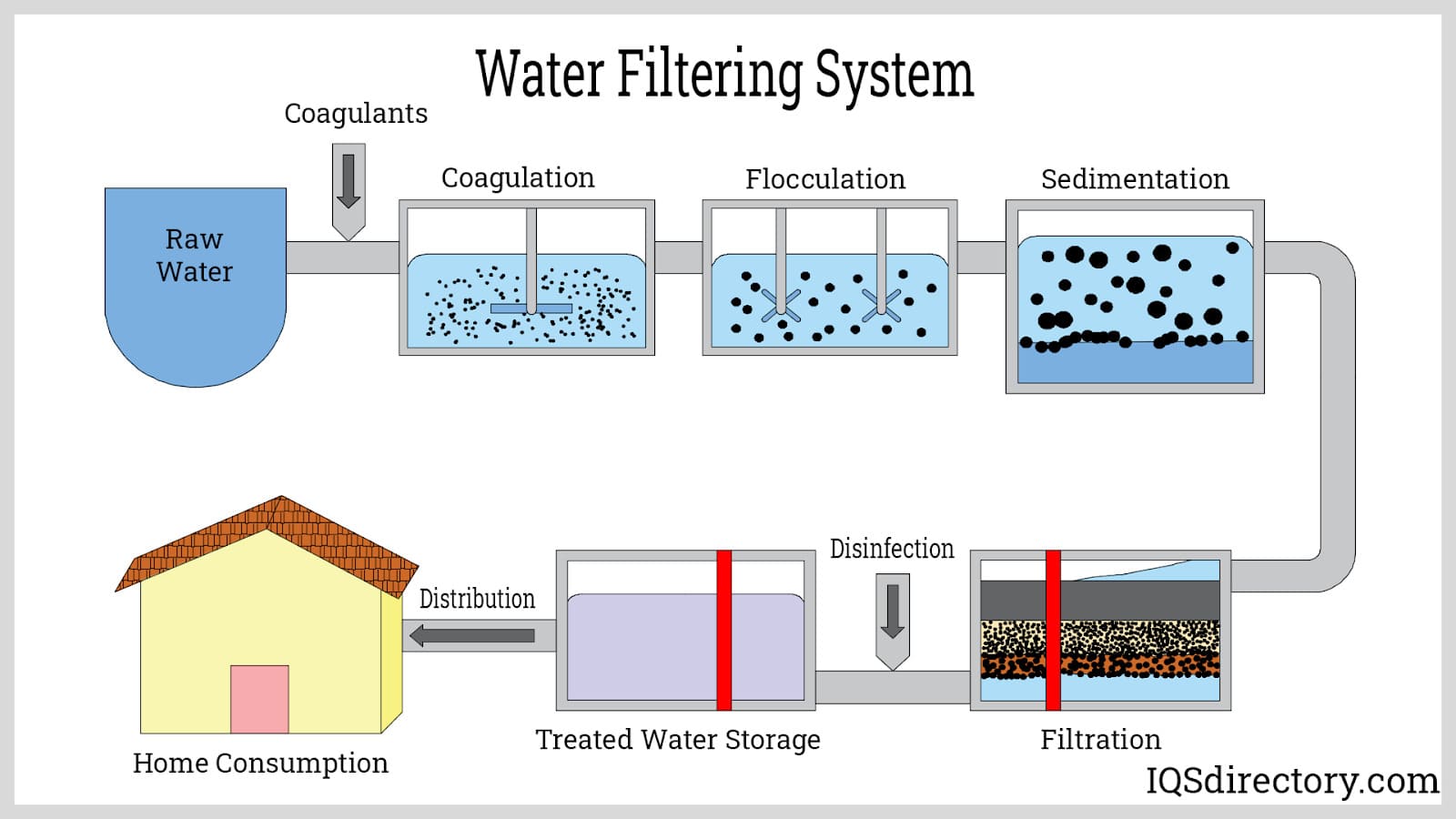
Let’s be honest: tap water is a gamble. Sometimes it’s crystal clear, sometimes it tastes like a swimming pool, and sometimes it looks like someone brewed tea in a rusty pipe. That’s where a water filter system swoops in to save your taste buds and your dignity. Think of it as a bouncer for your faucet, kicking out the nasty stuff while letting the good H₂O party on through.
So, what exactly is this magical device? At its core, a water filter is a gatekeeper. It uses physical barriers, chemical processes, or biological trickery to yank out contaminants like chlorine, lead, and that weird sediment that makes your ice cubes look like they have freckles. It’s not turning water into wine—but honestly, it’s doing a close second.
Your Tap Water Isn't Just Water
Here’s the creepy part: your municipal water has likely already been treated, but it still picks up hitchhikers on the way to your glass. We’re talking about microplastics (tiny plastic shards from your takeout containers), leftover pharmaceuticals (yes, someone’s leftover anxiety meds), and even cryptosporidium, a parasite that sounds like a Harry Potter spell. Gross, right?
Must Read
A good filter system acts like a superhero with an incredibly small net. It can trap particles as tiny as 0.5 microns, which is smaller than a human hair. To put that in perspective: if your hair went on a diet, it would still be fatter than what these filters catch. Filters are basically the ninja warriors of your kitchen counter.
The Cast of Characters: Types of Filters
Not all filters are created equal. Some are lazy; some are obsessive. The most common is the activated carbon filter. This is the workhorse of your Brita pitcher—charcoal that’s been treated to have zillions of tiny pores. It sucks up chlorine, bad tastes, and odors like a sponge in a dirty bathtub. But it’s not a cure-all; it lets heavy metals waltz right through.
Reverse osmosis systems are the overachievers. They use high pressure to shove water through a membrane so tight that only H₂O molecules can squeeze past. It’s like making water try out for a Broadway show—only the best get through. The downside? They waste a lot of water. You’ll feed three gallons down the drain just to get one clean gallon. It’s the Kardashian of filters—high maintenance but dramatic results.
 What is a Water Filtration System? A Comprehensive Guide - Globaluf
And then there’s the UV filter, which zaps bacteria and viruses with ultraviolet light like a tiny tanning bed for germs. It’s satisfyingly violent. The water comes out clean, but it won’t make you look like a sun-kissed influencer. Don’t try to get a glow from it; you’ll just break the filter and disappoint your plumber.
The Surprising Truth You'll Want to Tell at Parties
Did you know that a single faucet-mounted filter can remove 99% of lead from your drinking water? That’s great news, because lead doesn’t just make you slow—it makes your brain feel like it’s running on dial-up internet. Also, the most expensive bottled water isn’t always cleaner than tap. In fact, studies show that many brands are just filtered tap water in a fancy glass bottle that cost more than a movie ticket. Your filter is basically a money-printing machine that saves you from paying $3 for something you already have.
Here’s another kicker: your refrigerator’s water dispenser is probably using a carbon filter too—if you’ve remembered to change it. Most people forget until their water tastes like the inside of a gym bag. Replace those filters every six months, or you’re just drinking fancy dirt juice.
 Sparling Instruments, LLC | Flow Meter Manufacturers
The Installation Comedy
Most home filter systems are easy to install, unless you are me. The instructions usually say “twist and click,” but in reality, you’ll twist, click, curse, and then call your dad who will fix it while sighing heavily. Once it’s on, you’re golden. You’ll suddenly become that person who sniffs tap water at a friend’s house and says, “Mine is better.” Be that person. It’s fun.
The best part? You don’t need to be a plumber. Countertop filters literally screw onto your faucet like a loyal robot. Under-sink models are a bit more involved, but they’re basically playing hide-and-seek under your cabinet. And if you’re lazy, get a water bottle with a built-in filter. It’s like a sports bra for your water—supportive and portable.
The Final Verdict
Buying a water filter system is like giving your tap a PhD in cleanliness. It’s a cheap, easy way to level up your health without joining a juice cleanse cult. You’ll drink more water because it tastes good, which means fewer headaches, better skin, and less pretending to like that stale tap at the office.
So go ahead, get a filter. Your kidneys will thank you, your taste buds will do a happy dance, and you’ll never have to pour a glass of “oops, that tastes weird” again. Just remember to change the filter on time, or you’ll end up back at square one—drinking water that looks like it escaped from a swamp. Cheers to that.
