What Is Reverse Osmosis Water

Let’s talk about reverse osmosis water. It sounds like a science experiment, right? But I promise, it’s way more fun than your high school chemistry lab. So, What the Heck Is...
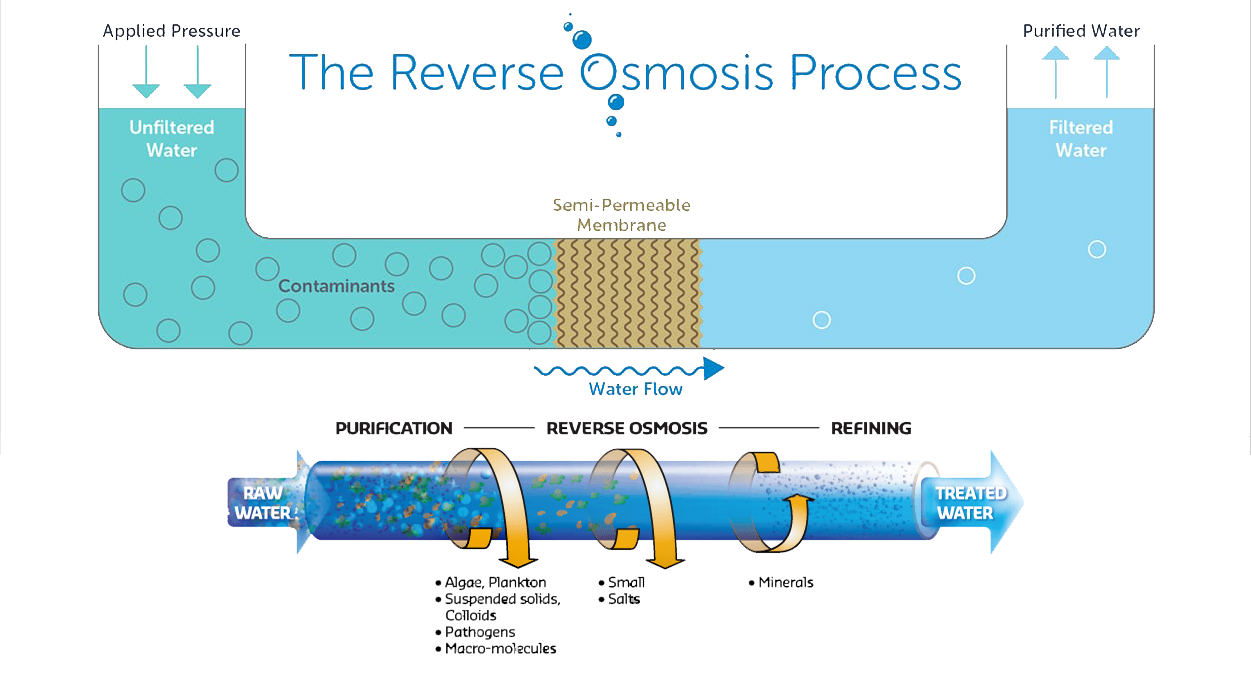
Let’s talk about reverse osmosis water. It sounds like a science experiment, right? But I promise, it’s way more fun than your high school chemistry lab.
So, What the Heck Is It?
Imagine a superhero filter that squishes water through a microscopic door. That’s reverse osmosis in a nutshell.
Normally, water moves from a weak solution to a strong one—that’s osmosis. Reverse osmosis flips the script. It uses pressure to push water through a membrane so tight that only water molecules get through.
Must Read
Everything else? Salt, bacteria, even your leftover coffee grounds—blocked. It’s like a bouncer for your water glass.
The Quirky Science Behind It
Here’s where it gets weird. The membrane has holes so small, you’d need a giant microscope to see them. They’re about 0.0001 microns wide.
To put that in perspective: a human hair is 500,000 times thicker. So imagine squeezing a volleyball through a keyhole. That’s what the water does.
And get this: the process was invented to desalinate seawater. Yes, the same tech turns salty ocean water into something you’d actually drink. We’re basically wizards.
Funny Fact: It’s Not Just for Drinking
Reverse osmosis isn’t picky about its job. It also purifies water for car washes, pharmaceuticals, and even aquariums.
Why aquariums? Because fish are divas. They freak out if their water has too many minerals. So RO water gives them a spa-like experience.
You might also find it in your kampung (okay, beach house) if you’re fancy. Or in a survival kit for a zombie apocalypse. It’s that versatile.
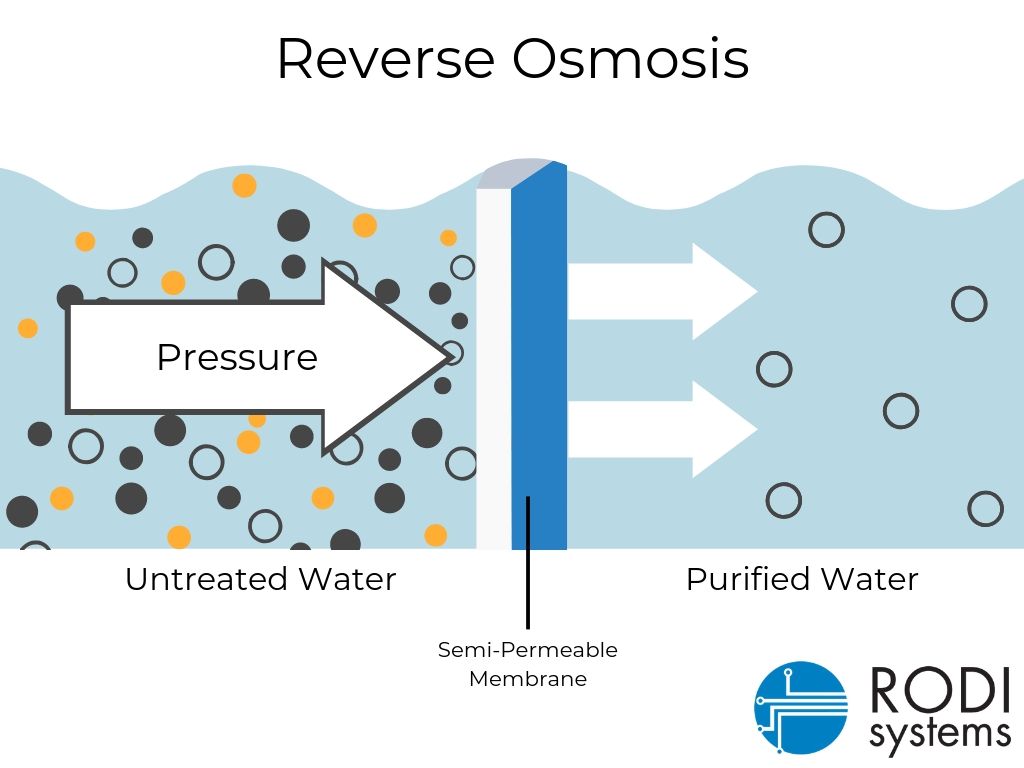 How Does Reverse Osmosis Work - RODI Systems Corp. Water and Wastewater
But Is It Better Than Tap Water?
Tap water is like that friend who’s mostly reliable. It’s fine, but sometimes it brings drama—like chlorine or lead. Reverse osmosis strips 99% of contaminants.
That includes heavy metals, pesticides, and even fluoride. Yes, the stuff dentists love. RO water says, “Sorry, not today, fluoride.”
But here’s the twist: it also removes good minerals like calcium and magnesium. So some people add them back in. It’s like taking a shower and then putting on perfume.
Quirky Fact: It’s Surprisingly Wasteful (But Cute)
For every gallon of purified water, RO systems “reject” about 4 gallons of brine. That’s a lot of salty leftovers.
But don’t panic. That brine can water your plants (if they like salt) or flush your toilet. It’s not a villain—just a thirsty friend.
Plus, newer systems are getting smarter. Some now have waste ratios as low as 1:1. Progress, baby!
Does It Taste Like a Cloud?
Honestly? Yes. Reverse osmosis water tastes clean. Like you’re licking a freshwater spring in the Himalayas.
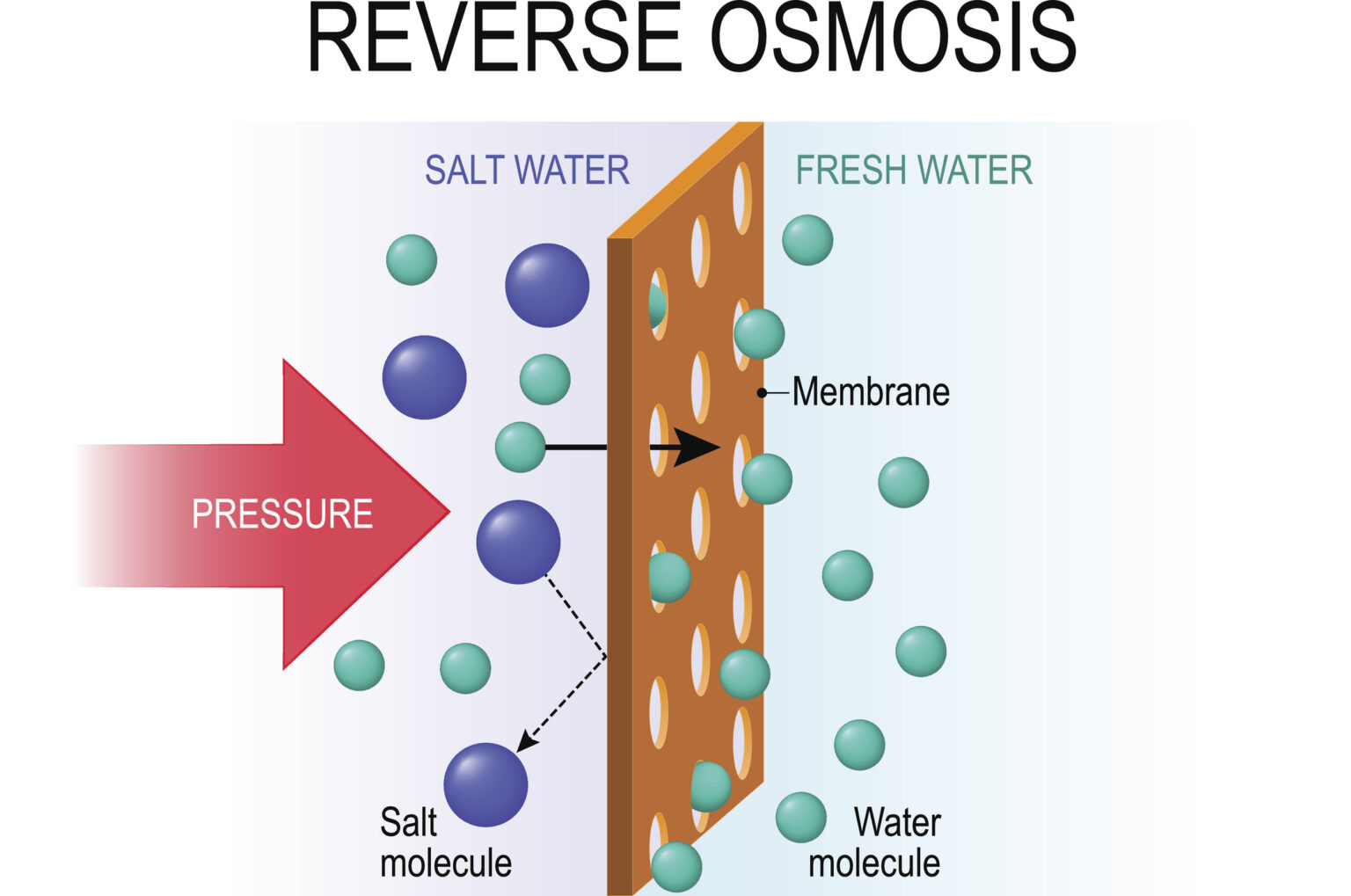 What is Reverse Osmosis and How Is It Used For Industrial Applications
But some people say it’s “flat.” That’s because your tongue is used to minerals. Give it a week, and you’ll never go back to tap.
Pro tip: add a slice of lemon or a pinch of Himalayan salt. Suddenly it’s a spa experience in your kitchen.
Is It Worth the Hype?
If you’re a health nut or live somewhere with iffy water, definitely. It’s like having a personal water butler.
But if you’re camping or hiking, just boil your water. RO systems are heavy and need electricity. Not very Bear Grylls of them.
Oh, and don’t buy the cheap $30 countertop models. They’re basically fancy straws. Invest in a real system with multiple filters. Your liver will thank you.
The Final, Fun Truth
Reverse osmosis water isn’t magic. It’s just physics having a party in your kitchen. And you’re invited.
Next time someone offers you a glass, say, “Is this RO?” They’ll think you’re a genius. And you’ll feel like one too.
So go ahead, drink up. You’re sipping on a scientific miracle that thinks it’s a water fountain. Cheers!
