What Is A Tds Meter For Water

So, you’ve seen this weird little wand thing online. It’s called a TDS meter, and it looks like a thermometer from a sci-fi movie. What in the world does it actually do? Let’s...
So, you’ve seen this weird little wand thing online. It’s called a TDS meter, and it looks like a thermometer from a sci-fi movie. What in the world does it actually do? Let’s spill the tea. ☕️
What does TDS even stand for?
TDS stands for Total Dissolved Solids. Sounds fancy, right? Basically, it’s all the invisible stuff floating in your water that isn’t H₂O.
We’re talking minerals like calcium and magnesium, plus salts, metals, and sometimes weird gunk. A TDS meter is your personal water detective. It sniffs out how much “extra” is hanging out in your glass.
Must Read
How does it work? (In plain English, please)
It zaps your water with a tiny electrical current. Pure water? It’s a terrible conductor. Water packed with dissolved solids? It lights up like a Christmas tree.
The meter measures that electrical flow, then spits out a number in parts per million (ppm). The higher the number, the more stuff is swimming in there. It’s like a crowd meter for your water—but instead of people, it’s measuring stray particles.
Wait, is high TDS bad? I’m scared now.
Not always! A high TDS number doesn’t mean your water is toxic. Some of the best spring waters have a TDS of 200–500 ppm. That’s why they taste so minerally and crisp.
But a sudden sky-high reading from your tap? That could mean a leaky pipe, a failing water heater, or that your filter just died. Your meter becomes the hero in a tiny plastic case.
When should you use a TDS meter? (Be honest, you’ll use it for fun)
First, test your tap water. Just for curiosity’s sake. Then test your bottled water—you’ll be shocked at the difference between “smart water” and “store brand.” I’m not saying it’s a party trick, but I’m also not not saying that.
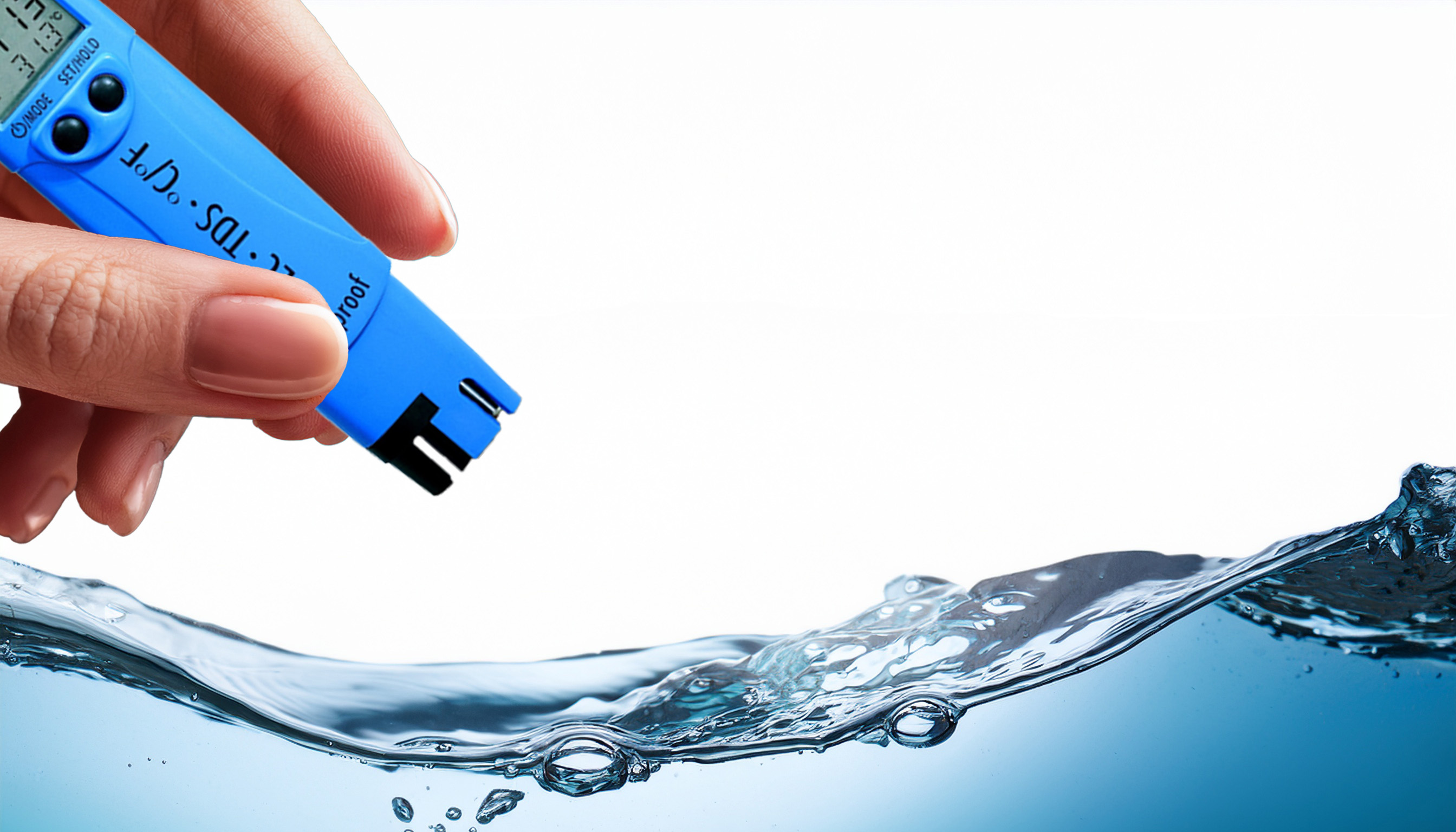 TDS measurement & drinking water purification - Filters and distillers
Use it to check if your expensive reverse osmosis filter is actually working. Testing before and after the filter gives you pure satisfaction. It’s like getting a gold star for your kitchen appliances.
The golden rule: TDS doesn’t equal safety
Here’s the catch—a TDS meter can’t tell you what those solids are. It just yells, “Hey, there’s stuff in here!” It doesn’t know if that stuff is healthy minerals or nasty bacteria. Think of it as a counter that says “20 people are in the room,” not “20 people are setting off fireworks.”
For safety stuff like lead or chlorine? You need a different test kit. But for everyday “is my water weird?” questions? The TDS meter is your best buddy.
What numbers should you look for?
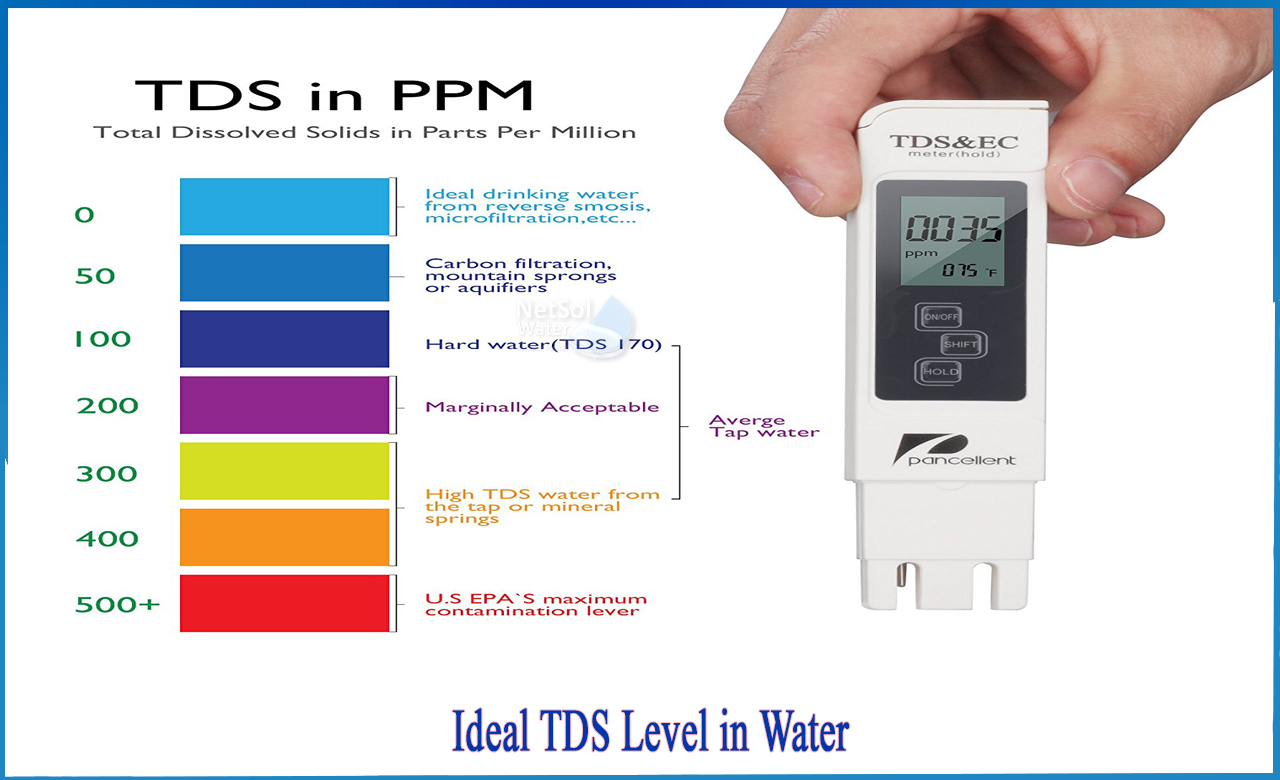
Here’s a cheat sheet for your coffee date with this gadget:
- 0–50 ppm: Almost pure. Distilled or reverse osmosis water. Tastes flat, honestly.
- 50–150 ppm: Light and fresh. Great for coffee or tea—your beans will thank you.
- 150–300 ppm: Average tap water. Totally drinkable in most places.
- 300–500 ppm: Mineral-rich spring water. Bold flavor, like a water with a personality.
- 500+ ppm: Hard water zone. You might see white spots on glasses. Not dangerous, but your kettle will yell at you.
If you see over 900 ppm? That’s not water anymore—that’s a soup.
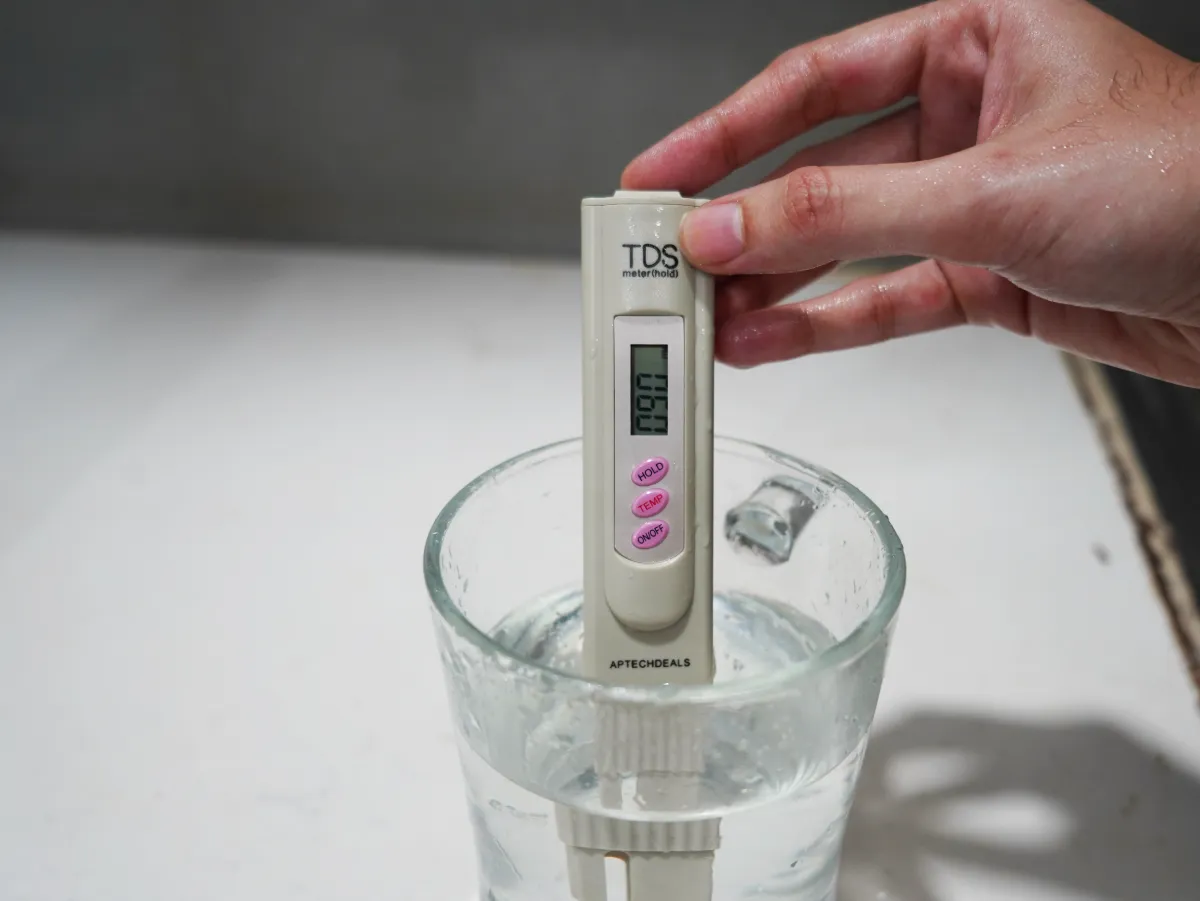 What is a TDS Meter? – How do you check TDS level in water? - vsctimes.com
Where do you buy one? (And how much is this obsession going to cost you?)
You can grab a basic TDS meter for under $15 online. They’re cheaper than a pizza dinner and last forever. Seriously, I’ve had mine for years, and it still works after being dropped in the sink twice.
Just don’t buy the super fancy Bluetooth ones. You don’t need an app to tell you the number. Your eyeballs work fine. Unless you’re a water scientist in a lab, the $12 version is perfect.
A few warnings (because I’m your water-savvy friend)
Don’t drop it in hot coffee or a fish tank by accident. The meter will cry. Also, make sure to store it dry—moisture is its kryptonite.
And please, for the love of hydration, calibrate it every few months. A little packet of calibration solution costs pocket change. Otherwise, your meter might lie to you, and then where will you be? Drinking lies, that’s where.
The bottom line: Should you get one?
If you’re a curious person who likes knowing what’s in your water? Absolutely yes. It’s cheap, it’s fun, and it turns you into a small-scale water detective. You’ll test everything—rainwater, pond water, that suspicious bottle in your gym bag.
But if you’re happy just drinking whatever comes out of the tap and never thinking twice? Skip it. Ignorance is occasionally bliss. Just maybe don’t drink the pond water, alright? Your TDS meter will scream at you, and you won’t like the number.
